Free Choir Textures Music Generator Powered by AI
Turn text into high-quality Choir Textures music effortlessly – no login required!

music.toolTips
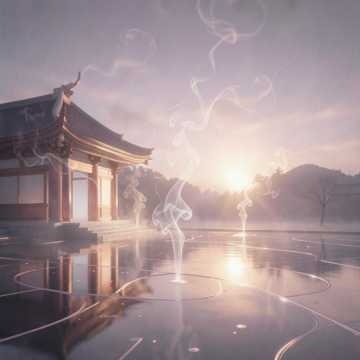
Veil of Incense
An instrumental ambient meditation that unfolds like a sacred ritual. Soft percussion, distant choral textures, evolving drones, and shimmering harmonies create a mysterious spiritual atmosphere that gradually expands before dissolving into delicate bell overtones and fading echoes.
02:55
Invalid date
Midnight Skyline
An expansive instrumental cinematic-electronic composition that evokes a vast city at night. Pulsing synth arpeggios, deep sub frequencies, orchestral swells, and towering spatial effects create a suspenseful yet uplifting progression from quiet anticipation to grand emotional release.
08:00
4 days ago
Introduction to Choir Textures
Choir Textures refers to the layered and dynamic use of vocal ensembles in music, emphasizing the interplay between multiple voices to create rich, immersive sonic landscapes. This musical concept can range from homophonic textures, where voices move together harmoniously, to polyphonic textures, where independent vocal lines interweave in complex patterns. The origins of choir textures trace back to the Medieval and Renaissance periods, where composers like Josquin des Prez and Palestrina explored polyphony in sacred music. Over time, the use of choir textures evolved into orchestral compositions, film scores, contemporary choral arrangements, and experimental music, making it a versatile and evocative tool in modern music production.
Sub-tags and Classifications of Choir Textures
Homophonic Choir Textures
Homophonic choir textures feature all voices moving together rhythmically while harmonizing. ThisChoir Textures SEO Content creates a clear, unified sound that emphasizes melody supported by chordal accompaniment. Common in hymns, classical choral works, and contemporary pop arrangements, homophonic textures highlight the emotional impact of lyrics and melodies.
Polyphonic Choir Textures
Polyphonic choir textures consist of multiple independent vocal lines that interact harmonically and rhythmically. This complex layering creates depth and intricacy, often producing a sense of movement and tension within the music. Renaissance sacred music and modern experimental choral works often employ polyphonic textures to showcase vocal skill and compositional sophistication.
Antiphonal Choir Textures
Antiphonal choir textures involve a call-and-response structure between two or more choirs or vocal sections. Originating in early church music, this texture produces a spatial and dynamic effect, ideal for dramatic or ceremonial compositions. It is frequently used in orchestral choral works, large-scale liturgical performances, and cinematic soundtracks to create a sense of dialogue and space.
Cluster Choir Textures
Cluster choir textures use closely spaced, dissonant notes sung simultaneously by a choir, generating dense harmonic effects. Often used in avant-garde or cinematic music, cluster textures evoke tension, mystery, or otherworldly atmospheres, making them popular in horror, sci-fi, and experimental sound design.
Famous Artists and Works Related to Choir Textures
Eric Whitacre
Eric Whitacre is renowned for his lush, ethereal choir textures. His works, such as 'Lux Aurumque' and 'Sleep,' emphasize close harmonies, cluster chords, and immersive layering, contributing significantly to contemporary choral music and expanding the possibilities of modern choir textures.
Lux Aeterna by György Ligeti
Lux Aeterna is a seminal work demonstrating Ligeti’s mastery of dense, cluster choir textures. The piece employs microtonal shifts and overlapping vocal lines to create an ethereal, floating sound, often used in film scores to evoke tension and transcendence. It remains a benchmark for experimental choral writing.
John Tavener
John Tavener’s compositions, including 'The Lamb' and 'Song for Athene,' feature sacred choir textures with spiritual depth and simplicity. Tavener’s use of drones and modal harmonies creates meditative, otherworldly soundscapes that showcase choir textures in a profoundly emotive context.
Requiem by Gabriel Fauré
Fauré’s Requiem showcases smooth homophonic choir textures that balance solemnity and serenity. The choral arrangements emphasize harmonic warmth and lyrical flow, highlighting the emotional impact of voice layering in classical sacred music.
Arvo Pärt
Arvo Pärt’s minimalist approach to choir textures, particularly in works like 'Magnificat' and 'Te Deum,' uses tintinnabuli technique to create serene, resonant textures. His work has influenced contemporary choral music by blending simplicity with profound harmonic richness.
Sleep by Eric Whitacre
Sleep exemplifies contemporary choir textures with lush harmonies, overlapping lines, and soft dynamics that create a dreamlike atmosphere. Whitacre’s innovative use of extended vocal techniques and harmonic clusters has set new standards for immersive choral sound.
Application Scenarios for Choir Textures
Choir textures are widely used in film soundtracks to enhance emotional impact, convey grandeur, or create suspense. For instance, epic or fantasy movies often employ polyphonic or cluster choir textures to intensify dramatic moments and evoke otherworldly atmospheres.
Film Soundtracks
In video games, choir textures enrich the narrative and immersive experience. Ambient chants, layered vocal harmonies, and antiphonal textures can heighten tension, provide emotional cues, or add a sense of scale to in-game environments.
Video Game Music
Homophonic choir textures are often used in commercials and advertisements to evoke warmth, trust, or inspiration. The cohesive vocal harmonies can make messages more memorable and emotionally engaging for audiences.
Advertising and Commercial Music
Choir textures enhance stage productions, operas, and live performances by adding depth, drama, and sonic richness. From sacred compositions to contemporary experimental works, these textures create immersive auditory experiences for audiences.
Theatrical and Live Performances