Free Cultural education Music Generator Powered by AI
Turn text into high-quality Cultural education music effortlessly – no login required!

music.toolTips
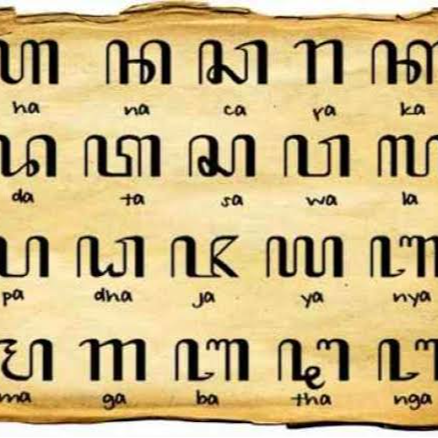
Aksara Jawa
This song celebrates the Javanese script, Aksara Jawa, with a focus on its significance in preserving culture and knowledge. Through melodic verses, it encourages the memorization and understanding of the script as a foundation for lifelong learning.
02:49
2024-11-05

Saung waditra
The song "Saung Waditra" highlights the importance of Sundanese culture, patriotism, and community through a lively pop punk melody, emphasizing the role of the arts in cultural preservation.
02:29
2024-11-02
Korea
'Korea' is a lively K-pop song that playfully teaches listeners about Korean regions, geography, and cultural elements through catchy lyrics and groovy melodies.
03:06
2024-10-15
Blanka in the Classroom
A lively tribute to a passionate teacher, 'Blanka in the Classroom' blends learning and joy through rhythmic Latin pop, celebrating culture and connection in the classroom.
02:07
2024-10-14

Siap Mengabdi untuk Banua
An uplifting anthem celebrating cultural education and creativity, 'Siap Mengabdi untuk Banua' inspires community spirit and artistic passion.
03:59
2024-09-12
ด่า2
เพลง 'ด่า2' เป็นบทเรียนภาษาไทยที่นำเสนอคำด่าโบราณกว่า 150 ปี ผ่านจังหวะแร็พสุดเข้มข้น ทั้งยังสะท้อนวัฒนธรรมการใช้ภาษาไทยในอดีต โดยมีจุดประสงค์เพื่อการศึกษาและเรียนรู้
01:45
2024-07-16
ด่า
เพลง 'ด่า' นำเสนอคำด่าโบราณภาษาไทยผ่านดนตรีแนวแร็พและฮิปฮอป เน้นการศึกษาภาษาและวัฒนธรรม โดยรวบรวมคำหยาบคายที่ใช้มากว่า 150 ปี สะท้อนความหลากหลายของภาษาไทย
02:58
2024-07-16

ด่า4
เพลง 'ด่า4' นำเสนอคำด่าโบราณในภาษาไทยผ่านจังหวะแร็พสุดดุดัน ใช้เสียงร้องหญิงเพื่อสื่อถึงอารมณ์และพลังของคำด่า โดยมีจุดประสงค์เพื่อการศึกษาและสะท้อนวัฒนธรรมภาษาไทยย้อนหลังกว่า 150 ปี
02:29
2024-07-16
ด่า3
เพลง 'ด่า3' นำเสนอคำด่าโบราณในภาษาไทยผ่านดนตรีแร็พและฮิปฮอป เน้นย้ำถึงความหลากหลายของภาษาและวัฒนธรรมการด่า โดยมีจุดประสงค์เพื่อการศึกษาและสะท้อนภาพสังคมผ่านวรรณกรรมเพลง
02:31
2024-07-16
ด่า2
เพลง 'ด่า2' นำเสนอคำด่าโบราณของไทยผ่านจังหวะแร็พดาร์ค โดยมีจุดประสงค์เพื่อการศึกษาและสะท้อนวัฒนธรรมภาษา เนื้อหาเต็มไปด้วยคำหยาบคายที่ใช้มาตั้งแต่ 150 ปีก่อน สะท้อนให้เห็นถึงความหลากหลายของภาษาไทย
03:07
2024-07-16
ምስላታት ትግርኛ ብሙዚቃ ንመሃር
እዚ ደርፊ'ዚ ብዙሓት ምስላታት ትግርኛ ብሙዚቃዊ ቅርጺ ዘቕርብ ኮይኑ፣ ጥበባዊ መልክዕ ዘለዎን ብሂፕ-ሆፕን ራፕን ዝተሰነየን እዩ። ባህላዊ ጥበብን ዘመናዊ ሙዚቃን ብምውህሃድ፣ ልምድታትን ጥበባትን ህዝቢ ትግራይ የንጸባርቕ።
03:59
2024-07-15
Introduction to Cultural Education
Cultural education refers to the teaching and learning of diverse cultural traditions, values, and expressions through various forms of music and arts. It aims to promote understanding, appreciation, and respect for different cultures. The origins of cultural education can be traced back to ancient civilizations where music and arts played a crucial role in cultural transmission. Over time, it has evolved to include formal education systems, community programs, and global initiatives aimed at preserving and promoting cultural heritage.
Sub-tags and Classifications of Cultural Education
Ethnomusicology
Ethnomusicology is the study of music from different cultures, particularly non-Western ones. It involves the examination of music in its cultural context, understanding the role it plays in society, and documenting traditional music forms.
World Music
World music is a broad category that encompasses various music styles from around the globe. It often includes traditional, folk, and indigenous music, highlighting the diversity of musical expressions across different cultures.
Music Pedagogy
Music pedagogy focuses on the methods and practices of teaching music. In the context of cultural education, it emphasizes teaching music that reflects the cultural heritage of different communities and fostering cross-cultural understanding through music education.
Cultural Heritage Preservation
This sub-tag involves efforts to preserve and protect the musical traditions of different cultures. It includes initiatives like recording traditional music, supporting indigenous musicians, and integrating cultural heritage into educational curricula.
Famous Artists and Works in Cultural Education
Yo-Yo Ma
Yo-Yo Ma is a renowned cellist known for his Silk Road Project, which aims to connect the arts and ideas from different cultures along the ancient Silk Road. His work promotes cultural understanding through collaborative performances and educational programs.
The Silk Road Project
The Silk Road Project, founded by Yo-Yo Ma, is a multidisciplinary initiative that explores the historical and cultural significance of the Silk Road. Through music, storytelling, and educational programs, it promotes cultural exchange and understanding.
Ravi Shankar
Ravi Shankar was a legendary sitar player and composer who brought Indian classical music to the global stage. His collaborations with Western musicians and his role in cultural exchange programs have had a significant impact on cultural education.
West Meets East
West Meets East is a series of albums by Ravi Shankar and Yehudi Menuhin that blend Indian classical music with Western classical traditions. These recordings are iconic for their innovative fusion of diverse musical styles, highlighting the potential of cultural education through music.
Miriam Makeba
Miriam Makeba, also known as 'Mama Africa,' was a South African singer and activist who used her music to raise awareness about apartheid and promote African cultural heritage. Her work continues to inspire cultural education efforts worldwide.
Pata Pata
Pata Pata is one of Miriam Makeba's most famous songs, blending traditional South African sounds with contemporary influences. It became a global hit and a symbol of cultural pride, demonstrating the power of music in cultural education and social change.
Application Scenarios for Cultural Education Music
Cultural education music is often used in movie soundtracks to provide authenticity and enhance the cultural context of films. For example, traditional music can set the tone for historical dramas or documentaries about specific cultures.
Movie Soundtracks
In advertising, cultural education music can help brands connect with diverse audiences by incorporating elements of different musical traditions. This approach not only appeals to multicultural demographics but also promotes cultural awareness.
Advertising Music
Video games use cultural education music to create immersive environments that reflect the settings of the game. Traditional instruments and compositions can enhance the storytelling and provide players with a richer cultural experience.
Game Background Music
Cultural education music is integral to educational programs that aim to teach students about different cultures. Music classes, workshops, and performances can help students understand and appreciate the world's diverse musical heritage.
Educational Programs