Free Dissonant melodies Music Generator Powered by AI
Turn text into high-quality Dissonant melodies music effortlessly – no login required!

music.toolTips
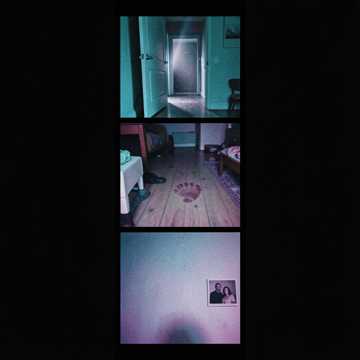
The Open Door
'The Open Door' is a frantic, Swancore-infused exploration of fractured identity, guilt, and dissociation. Blending unpredictable time signatures, dissonant guitars, and aggressive vocals, the track captures a descent into psychological chaos, oscillating between quiet introspective vulnerability and explosive, desperate rage.
04:32
2026-09-08
Introduction to Dissonant Melodies
Dissonant Melodies refer to a musical approach where harmonic tension and instability are emphasized through the use of dissonant intervals, chords, or progressions. In traditional Western music, dissonance is often seen as a temporary state, leading to a resolution in consonance. However, in Dissonant Melodies, the tension remains unresolved, creating a sense of unease or unpredictability. Historically, the use of dissonance has evolved over centuries. Early instances can be traced back to the Renaissance and Baroque periods, but it wasn't until the 20th century that composers like Arnold Schoenberg and Igor Stravinsky embraced dissonance as a core element in modern music, shaping new forms of expression in both classical and contemporary music.
Sub-tags and Classifications of Dissonant Melodies
Atonal Melodies
Atonality refers to music that lacks a tonal center or key. In atonal compositions, dissonance plays a dominant role, and there is no conventional resolution to consonant harmony. Atonal music was popularized by composers like Arnold Schoenberg, who sought to break free from traditional harmonic constraints, allowing for a more abstract and expressive form of melody.
Polytonal Melodies
Polytonality involves the use of two or more different tonalities or keys simultaneously. This creates a layered dissonance as different keys clash against each other. Composers like Igor Stravinsky and Darius Milhaud utilized polytonality to create complex, multi-dimensional harmonic textures that often evoke tension and excitement.
Microtonal Melodies
Microtonality explores intervals smaller than the traditional semitone, creating a broader range of dissonance that challenges the listener's expectations. This sub-tag often appears in experimental and avant-garde music, with composers such as Harry Partch and Julian Carrillo employing microtones to craft unconventional melodies and textures.
Cluster Chords
Cluster chords consist of several adjacent notes played simultaneously, resulting in a densely packed dissonance. This technique creates a thick, tense sound that can be unsettling or hypnotic, depending on the context. It has been used in classical, jazz, and modern experimental music.
Famous Artists and Works in Dissonant Melodies
Arnold Schoenberg
A pioneer in atonal music, Arnold Schoenberg developed the twelve-tone technique, which eliminated traditional tonality, making dissonance a permanent feature in his works. His 'Pierrot Lunaire' is a hallmark of atonal music.
The Rite of Spring by Igor Stravinsky
This revolutionary ballet score is famous for its complex rhythms and polytonal passages that create a sense of dissonant chaos. The music’s driving dissonance reflects the primal energy of the ballet, pushing harmonic boundaries and redefining modern classical music.
Igor Stravinsky
Known for his groundbreaking work in modern classical music, Stravinsky utilized dissonance and polytonality in works like 'The Rite of Spring,' which caused a riot at its premiere due to its bold dissonant harmonies and unconventional rhythms.
Pierrot Lunaire by Arnold Schoenberg
A prime example of atonal composition, 'Pierrot Lunaire' uses Sprechstimme (a vocal technique between singing and speaking) to deliver its dissonant melodies. The work challenges traditional harmonic structures, creating a haunting, disorienting soundscape.
György Ligeti
Ligeti is known for his use of dissonance and cluster chords in compositions like 'Atmosphères,' which creates an otherworldly soundscape through densely packed dissonant textures. His works have been widely used in films, including Stanley Kubrick’s '2001: A Space Odyssey.'
Atmosphères by György Ligeti
In this piece, Ligeti uses dense clusters of dissonant chords to craft a continuously evolving texture. The lack of discernible melody or rhythm enhances the tension, making it one of the most famous examples of dissonant music in the 20th century.
Alban Berg
A student of Schoenberg, Berg applied the principles of atonality and twelve-tone technique in his opera 'Wozzeck,' blending intense dissonance with emotionally charged music to convey the drama of the narrative.
Application Scenarios for Dissonant Melodies
Dissonant Melodies are frequently used in film scores to create tension, suspense, or psychological unease. Notable examples include the soundtracks of horror films or thrillers where dissonance heightens emotional intensity. The works of composers like Bernard Herrmann in 'Psycho' exemplify this application.
Film Soundtracks
In video games, Dissonant Melodies are used to build atmospheric tension, particularly in horror, mystery, and science fiction genres. Games such as 'Silent Hill' employ dissonant music to immerse players in unsettling, eerie environments.
Video Game Music
Dissonant music is also utilized in contemporary dance performances to enhance abstract, avant-garde choreography. The unpredictability of dissonant melodies complements the often experimental nature of modern dance.
Contemporary Dance
In certain high-stakes or emotionally charged advertisements, Dissonant Melodies are employed to evoke a sense of urgency or discomfort. This technique is sometimes used in ads related to social issues, where the goal is to provoke a strong emotional response.
Advertising Music