Free Dotar Music Generator Powered by AI
Turn text into high-quality Dotar music effortlessly – no login required!

music.toolTips

مهرین سایسه
این اثر قطعهای جانسوز در سبک فولکلور خراسانی است که قصهٔ دردناک کودکی گرسنه در پای تختهسیاه مدرسه را روایت میکند. با طنین دوتار و آوازی گرم، این نغمه ضمن نقد شعارزدگی، نصرتآفرین همدلی و نوعدوستی است.
03:29
9 hours ago
محلی گیل کلاا
این ترانه تصویری سرزنده از گیلکلا و طبیعت غرب مازندران ارائه میدهد؛ جادهها، آبشارها، چشمهها، کوچهها و تپهها در کنار دلتنگی عاشقانه و صدای پلنگ، فضایی بومی، شاد، نوستالژیک و دعوتکننده به همخوانی و پایکوبی میسازند.
01:47
23 hours ago
سایه سار مهر
این ترانه روایتی امیدبخش از مردانی نیکاندیش است که با کاشتن نهال محبت، شهر را به همدلی دعوت میکنند. پیام اصلی آن مشارکت هرکس به اندازه توان خویش، حمایت از خانوادههای داغدار و ماندگاری جوانمردی در سایهسار مهر است.
03:16
1 days ago

مهسا جان
این ترانه تصویری شاد و صمیمی از مهسا، دختری از مشهد و طرقبه، ارائه میدهد. آواز مردانه با لهجه مشهدی، ریتم ششوهشت، نوای دوتار و کمانچه و روایت کوچهمحور، فضای بهاری، خانوادگی و جشنگونهای میسازند.
02:26
4 days ago
کاشکی کوتر بیبوم
ترانهای صمیمی درباره عشق عمیق و آرزوی نزدیکبودن به دلبر است. راوی زیبایی معشوق را میستاید و در پایان، خود را کبوتر میبیند تا به سوی او پرواز کند و در پناه عشقش آرام بگیرد.
01:43
6 days ago
بمان ای کلات ای نام جاوید
سرودی میهنی و عاطفی که کلات را خانه خورشید، مهر و امید میخواند. شعر با ستایش طبیعت، مردم و میراث تاریخی خراسان آغاز میشود و با اوجی باشکوه، پیوند ماندگار کلات با غرور و وحدت ایران را تصویر میکند.
03:13
13 days ago
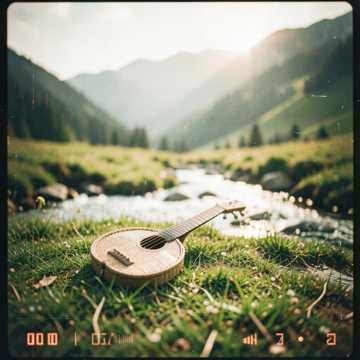
پاشا، پاشا
ترانه 'پاشا، پاشا' اثری شاد و محلی با ریتم ۶/۸ و الهامگرفته از موسیقی کردی-کرمانشاهی است که داستان فداکاری و مهر بینهایت پسری باوفا به نام پاشا نسبت به مادرش را با نوای آکوستیک سهتار، دوتار و همخوانیهای گرم به تصویر میکشد.
03:20
22 days ago
Introduction to Dotar: Definition and History
The Dotar is a traditional two-stringed instrument widely used in Central Asia, particularly in countries like Iran, Turkmenistan, Uzbekistan, and Afghanistan. Its name comes from the Persian words 'Do' (meaning 'two') and 'Tar' (meaning 'string'). The instrument is known for its long neck and resonant sound. Originating around the 15th century, it has deep roots in Persian and Turkic musical traditions. Originally used in rural and folk music, the Dotar has been a staple in the music of nomadic tribes, symbolizing the connection between nature, spirituality, and human emotion. Over time, it has evolved to incorporate more modern influences while retaining its traditional essence.
Dotar Sub-tags and Classifications
Persian Dotar
The Persian Dotar is predominantly found in northeastern Iran. It is known for its deep, melancholic tones and is often used in Sufi and spiritual music. The Persian Dotar typically accompanies poetic recitations and is considered sacred in certain regions.
Turkmen Dotar
The Turkmen Dotar, commonly found in Turkmenistan and northern Iran, features a slightly different shape and sound. It is characterized by its lighter, more upbeat melodies, often used in folk songs and traditional dances. The Turkmen Dotar is closely linked with nomadic lifestyles and Turkmen culture.
Uzbek Dotar
The Uzbek Dotar has a larger body compared to the Persian variant and produces a more resonant, rich sound. It is a significant instrument in Uzbek classical music, especially in maqom performances, a complex musical style featuring improvisation and deep emotional expression.
Afghan Dotar
The Afghan Dotar is unique due to its slightly shorter neck and more robust build. It plays a central role in Afghan folk music, often used in performances that celebrate historical tales, folklore, and village life. Its melodies are known for their emotional depth and cultural significance.
Famous Dotar Artists and Iconic Works
Ostad Haj Ghorban Soleimani
A legendary Iranian Dotar player, Ostad Haj Ghorban Soleimani is credited with preserving the ancient musical traditions of northeastern Iran. His mastery of the Persian Dotar earned him international recognition. His performances often centered around mystical themes, embodying the spiritual connection of Dotar music.
Chahargah Maqom
A traditional piece in the Uzbek maqom repertoire, 'Chahargah Maqom' is a masterpiece that showcases the Dotar's ability to convey profound emotions through complex rhythms and improvisations. The work is noted for its innovative use of microtonal scales, which add a layer of richness to the performance.
Almagul Chokubayeva
A prominent Turkmen Dotar artist, Almagul Chokubayeva has been instrumental in popularizing the Turkmen Dotar on the global stage. Her vibrant, energetic performances capture the essence of nomadic culture and showcase the versatility of the instrument.
Sufi Mystical Recitations
Performed by Ostad Haj Ghorban Soleimani, this collection of Sufi mystical recitations is a quintessential example of Persian Dotar music. The combination of lyrical poetry with the Dotar's melancholic tones creates a meditative atmosphere, embodying the spiritual nature of Sufi music.
Fazliddin Toshmurodov
Fazliddin Toshmurodov, an Uzbek Dotar master, is known for his contributions to Uzbek maqom music. His performances are noted for their intricate improvisations and emotional depth, which highlight the complexity of the Dotar's sound.
Turkmen Folk Medleys
These lively compositions performed by Almagul Chokubayeva represent the traditional Turkmen folk music. The upbeat and rhythmic Dotar playing, combined with folk melodies, encapsulates the energy and spirit of nomadic life. The work is known for its fusion of fast-paced rhythms with soulful tunes.
Application Scenarios for Dotar Music
Dotar music, with its deep emotional tones and cultural richness, is often used in movie soundtracks to evoke a sense of history, tradition, or spirituality. It is particularly effective in films set in Central Asia or those exploring themes of mysticism and nomadic life.
Movie Soundtracks
Documentary films focusing on Central Asian history, culture, or nature frequently incorporate Dotar music. The instrument’s deep connection with rural and nomadic lifestyles makes it a fitting choice for projects that aim to highlight the natural beauty and cultural heritage of the region.
Documentaries
In video game soundtracks, Dotar music is used to create atmospheric soundscapes in games set in historical or mythical Central Asian settings. The instrument’s unique sound adds authenticity and cultural depth, enriching the gaming experience.
Video Games
Dotar music is also used in advertising, particularly for brands that wish to associate their products with authenticity, tradition, or the exotic allure of Central Asian culture. Its distinct sound can evoke feelings of craftsmanship and heritage.
Advertising