Free Dynamic contrast Music Generator Powered by AI
Turn text into high-quality Dynamic contrast music effortlessly – no login required!

music.toolTips
the melodic drift
An instrumental journey through contrasting tempos and textures: ancient percussion introduces a drifting atmosphere, heavy metal guitars and forceful drums build dramatic momentum, while theremin and mbira create an otherworldly rise and reflective closing descent.
04:20
10 hours ago
2
2 portrays an immortal, exhausted narrator awaiting dawn after centuries of grief, isolation, and emotional numbness. Sparse verses and a restrained baritone build toward massive organ-and-choir choruses, while the final key change transforms the song into a cinematic farewell and hopeful release.
04:13
4 days ago
3
A weary immortal confronts centuries of grief in the darkness, longing for dawn to erase his former self. Through sparse verses, rising tension, church organ, and a massive choir, the song moves from numb despair toward a solemn, radiant farewell and emotional rebirth.
04:35
4 days ago
2
A centuries-old narrator confronts exhaustion, grief, and emotional numbness while waiting for dawn. The song moves from shadowy introspection to a radiant final release, where church organ, choir, and a hopeful key change transform despair into quiet acceptance and farewell.
04:02
4 days ago
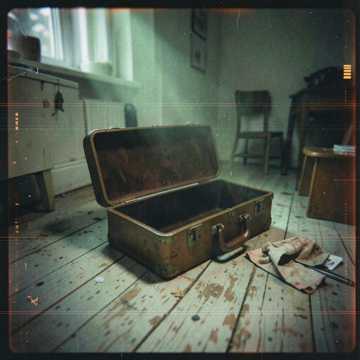
Uneven Swing
A dark, experimental jazz piece that turns uneven swing into psychological suspense. Breathy saxophone, sustained bass, jagged harpsichord, and shriek-like high tones gather in unstable layers before collapsing into an abrupt, unsettling silence.
03:35
Invalid date

Sombra Creeping
Sombra Creeping construye un suspense oscuro mediante cuerdas graves, metales amenazantes, notas aisladas de piano y percusión distante. La tensión se intensifica lentamente hasta un impacto masivo, seguido de un ostinato frenético y una conclusión amplia, cavernosa e inquietante.
03:00
5 days ago

Till the Dawn
A vulnerable narrator confronts suicidal thoughts during a lonely night, reaches out for help, removes immediate danger, and accepts companionship one breath at a time. The song moves from isolation and fear toward a fragile but meaningful choice to remain alive until dawn.
03:58
18 days ago
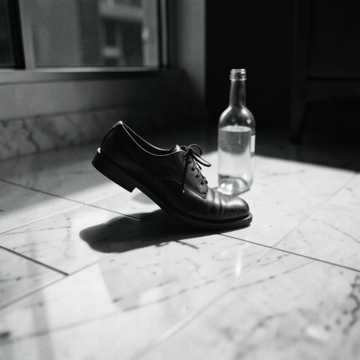
6TL7-2 Wolf on His Knees
A feared and powerful man confronts the child still living beneath his violence. Amid dark luxury, criminal authority, and crushing guitars, his mother becomes the only person before whom he can surrender, revealing love as his deepest remaining weakness.
05:29
24 days ago
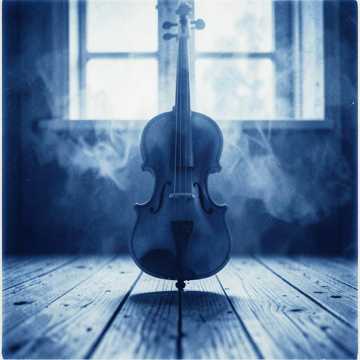
Smoky Banjo Blues
A surreal collision of smoky jazz and bluegrass, this instrumental moves between mournful trumpet passages and frantic banjo outbursts. Brushed rhythm, hypnotic repetition, abrupt stops, warm tape saturation and cinematic tension create an intimate after-hours blues atmosphere.
03:20
2026-09-24
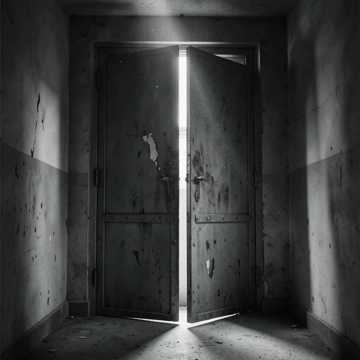
暗门揭晓
作品以克制留白开启悬疑叙事,通过脉冲弦乐、断奏低音与稀疏钢琴逐步加速,营造逼近真相的压迫感,结尾骤然抽空后以铜管和弦乐重击完成戏剧性揭示。
03:20
2026-09-23
E130
E130 — кинематографичная инструментальная композиция о внутреннем напряжении и освобождении. Тихие фортепианные мотивы и гитарные переборы сменяются мощными рок-кульминациями, создавая драматичный контраст между задумчивостью, ожиданием и эмоциональным прорывом.
03:04
2026-09-13
The Open Door
The song follows a narrator confronting an alternate version of himself while questioning memory, morality, and identity. Through shifting perspectives, irregular meters, explosive post-hardcore intensity, and increasingly unhinged breakdowns, self-discovery becomes psychological horror, ending with the narrator awakening the version he feared.
06:17
2026-09-08

When We Came Undone
A deteriorating relationship falls apart through silence, repeated compromises, and hidden resentment. Domestic details turn into symbols of emotional ruin, while the grunge arrangement mirrors the couple's tension: restrained verses, explosive choruses, and a stripped bridge leading to an acceptance shaped by loss.
04:31
2026-08-31
Once I'm Gone
A weary narrator walks away from a collapsing relationship without spectacle or blame. Through intimate domestic details and a cathartic grunge chorus, the song transforms emotional exhaustion into firm self liberation, accepting lingering care while choosing silence, distance, and an irreversible goodbye.
03:55
2026-08-31
在这个炎热的夏天我们无法停止抽烟鼓点4.0
歌曲以香港炎夏为背景,描写朋友聚饮、戒烟失败、暗恋心酸与无所事事的日常,以玩世不恭的粤语说唱表达及时行乐的人生态度,结尾转为温柔宁静,留下反差鲜明的余韵。
02:25
2026-08-22
在这个炎热的夏天我们无法停止抽烟鼓点3.0
歌曲以炎热夏天为背景,将戒不掉香烟、朋友聚饮、无聊生活与暗恋心事串连起来,以香港街头式幽默面对人生无常,最后在安静结他与轻柔人声中留下短暂而温柔的余韵。
03:00
2026-08-22
Introduction to Dynamic Contrast in Music
Dynamic contrast in music refers to the deliberate use of varying levels of volume and intensity to create emotional impact and interest in a piece. It involves the shifts between loud and soft passages, sudden or gradual changes in dynamics, and the strategic use of silence. The concept of dynamic contrast dates back to the Baroque period when composers like Johann Sebastian Bach began to explore the expressive potential of volume shifts. However, it became more prominent during the Classical and Romantic eras, where composers such as Ludwig van Beethoven and Pyotr Ilyich Tchaikovsky used dynamic contrast extensively to convey dramatic tension and emotional depth.
Sub-tags and Classifications of Dynamic Contrast in Music
Crescendo
Crescendo refers to a gradual increase in volume. It is often used to build anticipation or heighten emotional intensity within a musical passage. The dynamic shift from a soft to a loud section creates a powerful impact on the listener.
Decrescendo (Diminuendo)
Decrescendo, or diminuendo, is the opposite of crescendo, involving a gradual decrease in volume. This technique is used to bring a sense of calm, resolution, or fading away, often following a climactic moment in the music.
Sforzando
Sforzando is a sudden, sharp accent on a note or chord. It is used to emphasize a particular moment in the music, adding an unexpected jolt of intensity that can surprise and engage the listener.
Terraced Dynamics
Terraced dynamics involve abrupt shifts between loud and soft sections without gradual transitions. This technique, prominent in Baroque music, creates a striking contrast that captures the listener's attention.
Pianissimo to Fortissimo
This classification encompasses the full spectrum of dynamic range, from pianissimo (very soft) to fortissimo (very loud). Composers use this range to express a wide variety of emotions, from subtlety and intimacy to grandeur and power.
Famous Artists and Works Related to Dynamic Contrast
Ludwig van Beethoven
Beethoven is renowned for his innovative use of dynamic contrast, especially in his symphonies. His work 'Symphony No. 5' is a prime example of how he employed sudden dynamic shifts to create dramatic tension and convey emotional depth.
Beethoven's Symphony No. 5
Beethoven's 'Symphony No. 5' is an iconic work that exemplifies the use of dynamic contrast. The famous four-note motif is presented in varying dynamics, creating a sense of urgency and drama throughout the piece. The transitions between fortissimo and pianissimo passages are handled with precision, enhancing the emotional impact.
Pyotr Ilyich Tchaikovsky
Tchaikovsky's compositions, such as 'Swan Lake' and 'The Nutcracker,' showcase his masterful use of dynamic contrast. His ability to blend sweeping crescendos with delicate pianissimos adds a rich emotional texture to his music.
Tchaikovsky's 1812 Overture
Tchaikovsky's '1812 Overture' is a classic example of dynamic contrast in orchestral music. The piece features a wide dynamic range, from the soft, reflective opening to the powerful, cannon-filled finale. The use of crescendos and sforzandos throughout the piece amplifies its dramatic narrative.
Johann Sebastian Bach
Bach was one of the early pioneers of dynamic contrast, particularly through the use of terraced dynamics in his organ and orchestral works. His 'Brandenburg Concertos' are notable for their vibrant dynamic shifts.
Bach's Brandenburg Concerto No. 3
Bach's 'Brandenburg Concerto No. 3' utilizes terraced dynamics to great effect. The sudden shifts between loud and soft sections create a lively and engaging listening experience, characteristic of Baroque music's dynamic approach.
Igor Stravinsky
Stravinsky's compositions, like 'The Rite of Spring,' are known for their extreme and unconventional use of dynamic contrast, which contributed to the piece's groundbreaking and controversial impact at the time of its premiere.
Stravinsky's The Rite of Spring
'The Rite of Spring' by Stravinsky is a revolutionary work known for its intense dynamic contrast. The piece employs extremes in volume, with violent sforzandos and abrupt changes in dynamics, reflecting the primal and ritualistic themes of the composition.
Application Scenarios for Dynamic Contrast in Music
Dynamic contrast is widely used in movie soundtracks to heighten emotional responses. For instance, a sudden crescendo might accompany a pivotal moment in a film, while a decrescendo can be used to convey a sense of loss or reflection.
Movie Soundtracks
In advertising, dynamic contrast helps grab the audience's attention. A sudden change in volume can emphasize the message or product being advertised, making it more memorable.
Advertising Music
Video game soundtracks often use dynamic contrast to enhance gameplay. For example, music might gradually increase in intensity during a boss fight to build tension, or it might soften during exploration phases to create a more immersive experience.
Game Background Music
In live performances, dynamic contrast plays a crucial role in engaging the audience. Musicians use dynamic shifts to convey emotion and keep the audience captivated, making each performance unique and powerful.
Live Performances