Free Flamenco rumba Music Generator Powered by AI
Turn text into high-quality Flamenco rumba music effortlessly – no login required!

music.toolTips

ظربتي خماسك
أغنية راقصة بطابع جزائري تعبّر عن غزل مشوب بالعتاب والاعتزاز، حيث يواجه المغني حبيبته بثقة، مستحضراً جمالها وزينتها وحضورها القوي، بينما يمنح الإيقاع السريع والكمان والعود النص روحاً احتفالية وحيوية.
02:47
2 days ago
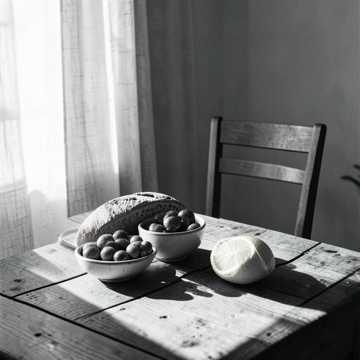
La Rumbateca
Una rumba flamenca luminosa que convierte una reunión familiar en una fiesta colectiva. Entre aceitunas, pan, palmas y guitarras, la canción celebra la amistad, los recuerdos compartidos y esa alegría sencilla que siempre encuentra una silla libre para alguien más.
02:52
5 days ago
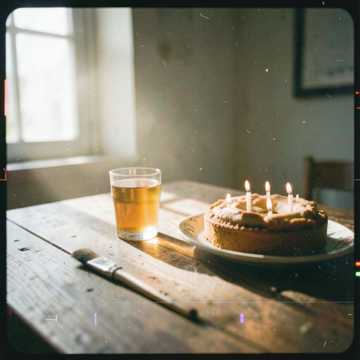
Feliz cumpleaños, José
Rumba flamenca de cumpleaños que celebra la amistad duradera entre José y el narrador. A través de recuerdos de juventud, apoyo mutuo y vivencias en Almería, la canción propone un brindis alegre por la lealtad, la compañía y los muchos años por compartir.
02:49
2026-10-07
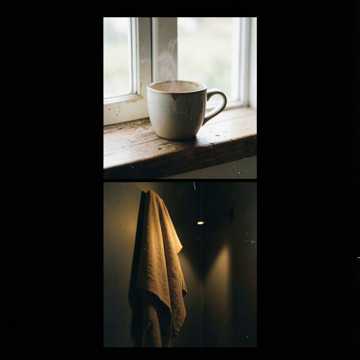
De otra manera
Una pareja separada contempla volver a elegirse, no para rescatar el pasado, sino para construir un vínculo más honesto. Entre recuerdos domésticos, heridas perdonadas y miedo a repetir errores, la canción transforma la reconciliación en una decisión madura, vulnerable y esperanzadora.
04:05
2026-08-29

Baila Conmigo
Un hombre y una mujer se reencuentran tras una separación marcada por orgullo, distancia y promesas incumplidas. Al bailar juntos, transforman el dolor en esperanza: su abrazo confirma que el amor puede regresar, sanar lo roto y comenzar de nuevo.
06:21
2026-08-29
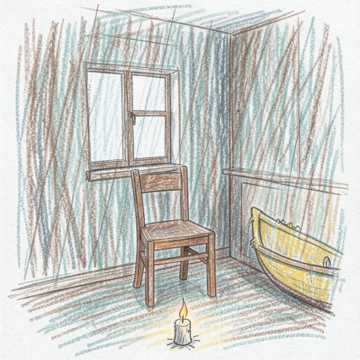
The Stone Inside My Name
An elderly man confronts a lifetime of isolation, missed chances, lost love, and estranged family. Through rain-soaked rooms and fading memories, he carries regret like a stone, longing for forgiveness and one final sign that his life once mattered.
05:47
2026-08-27
Introduction to Flamenco Rumba: Definition and History
Flamenco Rumba is a vibrant and rhythmic genre that fuses traditional Flamenco with the influences of Afro-Cuban music, particularly the Rumba. Originating in the mid-20th century, Flamenco Rumba emerged as a popular form of entertainment in the streets and festivals of Spain, especially in Andalusia and Catalonia. It blends the passionate and expressive elements of Flamenco with the more relaxed and rhythmic beats of Cuban Rumba, creating a genre that is both danceable and deeply emotional. Over time, Flamenco Rumba has evolved, incorporating elements of pop and rock, making it one of the most accessible and widely appreciated forms of Flamenco music today.
Sub-tags and Classifications of Flamenco Rumba
Traditional Flamenco Rumba
This sub-tag refers to the classic form of Flamenco Rumba that closely adheres to its roots in Flamenco and Rumba. It emphasizes traditional instruments such as the Spanish guitar, cajón, and handclaps (palmas), and is often performed in a more acoustic setting. The lyrical themes typically revolve around love, passion, and the struggles of life, reflecting the deep emotional underpinnings of Flamenco.
Contemporary Flamenco Rumba
Contemporary Flamenco Rumba incorporates modern elements such as electronic instruments, synthesizers, and crossover influences from genres like pop, rock, and jazz. This sub-tag represents a more modern and commercial approach to Flamenco Rumba, often featuring collaborations with mainstream artists and fusion with other musical styles. It has helped bring Flamenco Rumba to a broader, international audience.
Catalan Rumba
Catalan Rumba, or Rumba Catalana, is a regional variant of Flamenco Rumba that originated in the Catalonia region of Spain, particularly in Barcelona's Romani communities. It is characterized by a faster tempo and a more upbeat, festive vibe. Catalan Rumba is known for its vibrant rhythms and often includes lyrics in both Spanish and Catalan, reflecting the cultural diversity of the region.
Famous Artists and Works in Flamenco Rumba
Peret
Known as the 'King of the Catalan Rumba,' Peret was a pioneering artist who popularized Flamenco Rumba in the 1960s and 1970s. His energetic performances and catchy tunes, such as 'Borriquito' and 'El Muerto Vivo,' brought Flamenco Rumba to the mainstream and made him a cultural icon in Spain.
Bamboléo by Gipsy Kings
'Bamboléo' is one of the most iconic Flamenco Rumba tracks ever produced. Released in 1987, the song exemplifies the fusion of Flamenco's passionate guitar work with the catchy rhythms of Rumba. Its global success helped establish Flamenco Rumba as a genre that could transcend cultural and linguistic boundaries.
Gipsy Kings
The Gipsy Kings are an internationally renowned band that played a significant role in bringing Flamenco Rumba to a global audience. Their fusion of traditional Flamenco with pop elements, evident in hits like 'Bamboléo' and 'Volare,' has made them one of the most successful Flamenco Rumba groups worldwide.
Borriquito by Peret
'Borriquito' is a classic Flamenco Rumba song that became a massive hit in the 1970s. Peret's playful lyrics and infectious rhythm made the song a favorite in Spain and Latin America. The track showcases the traditional elements of Flamenco Rumba while also incorporating a light-hearted, festive atmosphere.
Paco de Lucía
While primarily known as a Flamenco guitarist, Paco de Lucía also made important contributions to Flamenco Rumba. His work in albums like 'Siroco' and collaborations with other artists helped bridge traditional Flamenco with Rumba influences, adding a level of technical mastery and innovation to the genre.
Entre Dos Aguas by Paco de Lucía
'Entre Dos Aguas' is a masterpiece that blends Flamenco with elements of Rumba. Although primarily an instrumental track, the song's rhythmic structure and guitar techniques demonstrate how Flamenco Rumba can be both technically complex and deeply expressive. It remains one of Paco de Lucía's most celebrated works.
Application Scenarios for Flamenco Rumba
Flamenco Rumba is frequently used in movie soundtracks to evoke a sense of passion, drama, and cultural depth. Its rhythmic and emotional intensity makes it suitable for scenes involving romance, conflict, or celebration. Notable examples include the use of Flamenco Rumba in films like 'Vicky Cristina Barcelona' and 'The Mask of Zorro.'
Movie Soundtracks
The lively and rhythmic nature of Flamenco Rumba makes it an effective choice for advertising music. Its upbeat tempo and catchy melodies are often used in commercials to convey energy, joy, and a sense of cultural sophistication. Brands have used Flamenco Rumba in campaigns to create a vibrant and memorable auditory experience.
Advertising Music
In video games, Flamenco Rumba can be used as background music to enhance the atmosphere of scenes set in Spain or Latin-influenced environments. Its dynamic rhythms and emotional depth can add an authentic and immersive experience for players, particularly in games that focus on themes of adventure, exploration, or romance.
Game Background Music