Free Funeral March Music Generator Powered by AI
Turn text into high-quality Funeral March music effortlessly – no login required!

music.toolTips
Schwarzer Zug
Ein langsamer, zeremonieller Trauermarsch entfaltet sich aus kargen Klängen, schweren Blechbläserfiguren und dunklen Orgelpedalen. Die Musik wächst zu einem mächtigen Streicherchor mit Glockenschlägen an, bevor sie sich in einsames Cello und fernes Horn zurückzieht.
03:20
2 days ago
Saywhat
Saywhat weaves biblical episodes of suffering, judgment, service, ownership, and mercy into a solemn spiritual drama. Its recurring question challenges human certainty, while funeral-paced verses, authoritative choruses, and a fragile unresolved ending move the listener from accusation toward repentance, compassion, and surrender.
04:20
2 days ago
L7-2 What Remains
A solemn meditation on time, mortality, impermanence, and the fragments of identity that endure. Through funeral bells, pipe organ, low strings, and restrained vocals, the song questions what humanity preserves, what it releases, and what remains unsaid.
05:03
5 days ago
زورخانه
این قطعه یادمانی سنگین و حماسی برای شهدای محله کن است. روایت مرشد، کمانچهٔ سوزناک لری، ضربهای آیینی و همخوانی جمعی، سوگ را به امید، جوانمردی و نوید رهایی پیوند میدهد؛ گویی رازی پنهان سرانجام با طلوع خورشید آشکار خواهد شد.
03:10
6 days ago

Cavern Airlock
A dark ambient instrumental unfolds like a funeral procession through a failing airlock. Resonant organ phrases gradually lose pressure and pitch, while leaking reeds, mechanical clicks, sub-bass rumbles, and eerie beating intervals build a sense of isolation. Its final movement breaks into fractured, decaying organ moans.
03:45
15 days ago
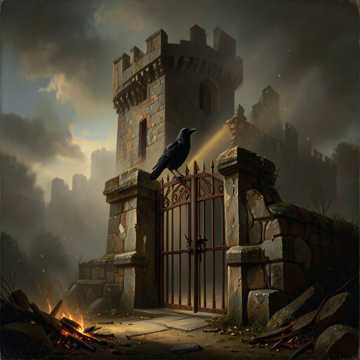
Raven Prophecy
A deep prophetic voice announces the fall of a once-golden kingdom. Through images of ravens, rust, flame, and dust, the song transforms political power into a doomed relic, carried by an agonizingly slow march toward sudden silence.
02:15
16 days ago
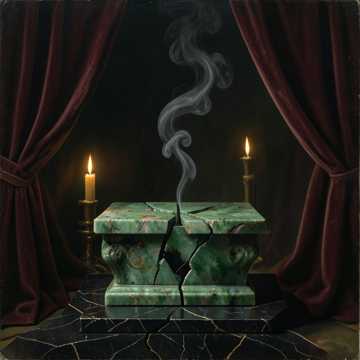
Ashes Over Jade
A solemn instrumental procession unfolds from a lone flute and low drum pulse into responsive pipes, marching toms, and a grieving horn swell. Its cross-cultural palette evokes remembrance, conflict, endurance, and an ancient ritual carried across a wide cinematic landscape.
03:49
21 days ago
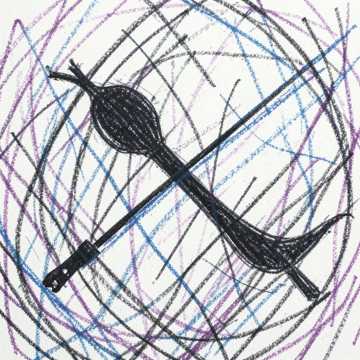
Ashen Bow
A bleak, spacious instrumental centered on solo violin and crushing ceremonial percussion. Its lingering legato passages, trembling tension, and wrenching double-stops evoke grief, endurance, and the quiet aftermath of loss.
04:00
2026-10-10
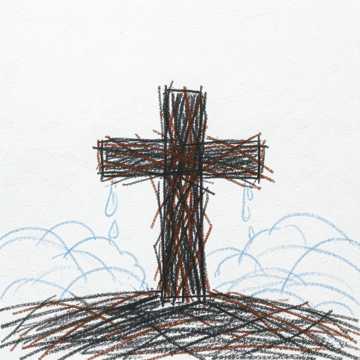
Крестоношенье
Философская духовная баллада о личном кресте, вине, прощении и способности нести жизненную боль с любовью. Лирический герой осуждает ожесточение людей и утрату добродетели, утверждая: испытания даны по силам, а путь к свету лежит через раскаяние.
05:22
2026-10-03

Крестоношенье
Духовно-философская песня о жизненной ноше, грехе, прощении и взаимной поддержке души и тела. Через суровые образы современного отчуждения она утверждает: крест даётся по силам, а пройти свой путь можно лишь с любовью.
05:08
2026-10-01
Реквием ВВ
Трагический реквием о Владимире Высоцком, его непримиримости к фальши, несостоявшейся свободе и посмертной славе. Лирический герой размышляет о памяти, народной любви и о том, может ли монумент передать настоящую сущность поэта.
04:22
2026-09-28
Реквием ВВ
Песня осмысляет судьбу Владимира Высоцкого, его посмертную славу, несбывшуюся свободу и противоречивое отношение к официальным символам памяти. Через образ Марины Влади и монумента звучит главная мысль: народная любовь сильнее забвения и формальных запретов.
04:33
2026-09-28
Ты не знал, не гадал,...
Песня рассказывает о молодом солдате, который отправился на войну, пережил тяжелую службу, смертельную опасность и бессонные дозоры, а затем вернулся домой седым, но живым. Это скорбная история мужества, потерь, братства и благодарности судьбе.
03:44
2026-09-27
Спиртом струны протёр свои...
Герой готовит шестиструнную гитару к битве с бесами, искушающими душу разрушительными темами. Под аккорды, напоминающие полонез и марш, он отражает атаку внутреннего хаоса, превращая музыку в оружие сопротивления тьме.
02:58
2026-09-13

Спиртом струны протёр свои...
Герой превращает гитару в оружие против бесов, искушений и хаоса. Через образы струн, аккордов, кабаре и полонеза песня раскрывает мучительную духовную борьбу, где музыка становится одновременно защитой, исповедью и последним способом сохранить душу.
02:47
2026-09-13
Piranjat
Një shfaqje muzikore ironike për frikën, hutimin dhe gabimet që përsëriten. Me thirrje korale, ritëm marshues dhe humor të zi, Piranjat e paraqet kaosin si një paradë teatrale plot energji, alarm dhe grotesk.
03:29
2026-09-08

Время собирать камни.
Мрачная исповедь о религиозной вине, коллективной ответственности и неизбежности расплаты. Текст использует христианские и библейские образы, связывая древние события с последующей исторической трагедией. Похоронный марш, хриплый вокал и мистическая аранжировка усиливают ощущение суда, скорби и неотвратимой судьбы.
03:58
2026-09-02
Прощание со Сталиным
Трагическая баллада о всенародном прощании со Сталиным, столкновении официального траура с последующим осуждением его наследия и спорной исторической памятью. Похоронный марш, хриплый вокал и мистическая аранжировка усиливают ощущение утраты, идеологического раскола и конца эпохи.
05:18
2026-08-28

Прощание со Сталиным
Песня изображает всенародные похороны Сталина, соединяя траур, почитание и исторический спор. Лирический герой противопоставляет официальному осуждению память о сильном государстве, оставляя слушателя перед сложным вопросом о границе между вождём, тираном и символом эпохи.
04:49
2026-08-28

Прощание со Сталиным
Песня изображает всенародное прощание со Сталиным, соединяя скорбь, почитание и исторический спор. Лирический герой противопоставляет официальному осуждению память о сильной России, превращая траурный марш в драматическое размышление о власти, наследии и посмертной судьбе вождя.
03:55
2026-08-28
Introduction to Funeral March Music
A Funeral March is a musical composition that emulates the solemn and mournful atmosphere typically associated with a funeral procession. Historically, Funeral Marches originated in the 18th and 19th centuries, often used in public ceremonies and memorial services. Composers such as Ludwig van Beethoven, Frédéric Chopin, and Gustav Mahler significantly contributed to the development and popularity of this genre, infusing their compositions with deep emotional expressions and reflective themes.
Sub-tags and Classifications of Funeral March Music
Classical Funeral March
This sub-tag includes compositions from the classical period, characterized by structured and formal musical elements. Notable examples include Beethoven's 'Funeral March' from his Symphony No. 3 and Chopin's 'Marche Funèbre' from his Piano Sonata No. 2.
Romantic Funeral March
Romantic Funeral Marches are rich in emotional depth and complexity, often reflecting the personal grief and introspection of the composer. Key works include Mahler's 'Funeral March' from his Symphony No. 5 and Tchaikovsky's 'Symphony No. 6, Pathétique'.
Modern Funeral March
Modern Funeral Marches incorporate contemporary musical techniques and styles, often used in film scores and modern memorial services. Composers like Dmitri Shostakovich and Igor Stravinsky have expanded the genre with innovative approaches.
Famous Artists and Works Related to Funeral March Music
Ludwig van Beethoven
Beethoven's contributions to Funeral March music include his 'Marcia Funebre' from Symphony No. 3 (Eroica), which showcases his ability to blend solemnity with profound musical expression, setting a standard for future compositions in the genre.
Marcia Funebre (Beethoven)
This work from Beethoven's Symphony No. 3 is notable for its structured form and profound emotional impact. It balances the formality of a funeral procession with deeply moving musical phrases, making it a timeless piece in the Funeral March repertoire.
Frédéric Chopin
Chopin's 'Marche Funèbre' from his Piano Sonata No. 2 is one of the most iconic Funeral Marches, known for its deep melancholy and reflective character. Chopin's work has been widely performed at state funerals and memorials.
Marche Funèbre (Chopin)
Chopin's Funeral March is characterized by its haunting melody and expressive depth. The piece transitions from a somber march to a reflective trio section, showcasing Chopin's mastery of emotional contrast and musical storytelling.
Gustav Mahler
Mahler's 'Funeral March' from Symphony No. 5 is a monumental work that combines orchestral complexity with intense emotional depth, reflecting his personal experiences with loss and mourning.
Funeral March (Mahler)
Mahler's Funeral March from Symphony No. 5 is a complex orchestral work that captures the full range of human grief. The piece features dynamic contrasts, rich textures, and a deeply introspective atmosphere, making it a landmark composition in the genre.
Application Scenarios for Funeral March Music
Funeral March music is often used in movie soundtracks to underscore scenes of mourning, loss, and solemn reflection. For example, Chopin's 'Marche Funèbre' has been featured in numerous films to evoke a deep sense of sorrow.
Movie Soundtracks
In advertising, Funeral Marches can be used to create a dramatic and poignant backdrop, emphasizing themes of remembrance and nostalgia. The somber tone helps in creating a powerful emotional connection with the audience.
Advertising Music
Video game soundtracks often incorporate Funeral March music during scenes of character loss or major story transitions, adding emotional weight and enhancing the player's immersive experience.
Game Background Music