Free Latin Chants Music Generator Powered by AI
Turn text into high-quality Latin Chants music effortlessly – no login required!

music.toolTips
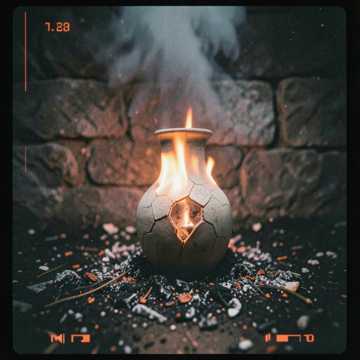
Meine Königin – Ignis Cordis
'Meine Königin – Ignis Cordis' ist eine gewaltige Gothic-Power-Metal-Hymne über bedingungslose Liebe, Unvollkommenheit und Neuanfang. Mit sakralen lateinischen Gesängen, majestätischer Orgel und schneidenden Gitarren feiert der Song ein unerschütterliches inneres Feuer, das selbst die dunkelste Krise überwindet.
07:16
2026-09-16
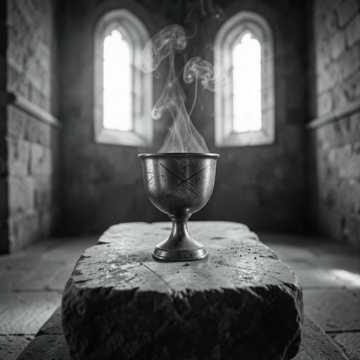
Stossgebet der Darkness
'Stossgebet der Darkness' ist ein episches Gothic-Power-Metal-Werk, das sakrale Orgeln, düstere lateinische Gesänge und gewaltige Gitarrenriffs vereint. Der Song schildert den dramatischen Aufstieg eines Phönix aus der Asche und verkörpert Unbeugsamkeit und Hoffnung inmitten tiefster Finsternis.
06:18
2026-09-16
Introduction to Latin Chants
Latin chants are a form of liturgical music sung in Latin, the language of the Roman Catholic Church. Originating in the early centuries of Christianity, these chants were developed as a means of worship and religious expression. Gregorian chant, named after Pope Gregory I, is the most well-known type of Latin chant and has significantly influenced the development of Western music. The history of Latin chants spans from the early Christian era through the Middle Ages and continues to be a vital part of religious and musical traditions today.
Sub-tags and Classifications of Latin Chants
Gregorian Chant
Gregorian chant is the central tradition of Western plainchant, a form of monophonic, unaccompanied sacred song of the Roman Catholic Church. It developed mainly in Western and Central Europe during the 9th and 10th centuries. Gregorian chants are characterized by their free-flowing rhythms and modal melodies.
Ambrosian Chant
Ambrosian chant, also known as Milanese chant, is a liturgical plainchant used in the Ambrosian rite of the Roman Catholic Church, particularly in Milan. It is named after St. Ambrose, the 4th-century bishop of Milan. Ambrosian chant features more varied and elaborate melodies than Gregorian chant.
Mozarabic Chant
Mozarabic chant, also known as Visigothic or Old Spanish chant, is the liturgical chant of the Mozarabic rite, once prevalent in the Iberian Peninsula before the 11th century. It has a unique musical structure, distinct from Gregorian and Ambrosian chants, and is characterized by its exotic and elaborate melodies.
Beneventan Chant
Beneventan chant is a form of plainchant used in the liturgy of the Roman Catholic Church in the Benevento region of Italy. It is less known than other chant traditions and has a distinctive style that incorporates elements from Byzantine and Eastern liturgical music.
Famous Artists and Works in Latin Chants
St. Gregory the Great
St. Gregory the Great, also known as Pope Gregory I, is traditionally credited with organizing and codifying the Gregorian chants. His contributions laid the foundation for the development and spread of this sacred music form.
Liber Usualis
The Liber Usualis is a liturgical book that contains a large collection of Gregorian chants. Compiled by the monks of Solesmes Abbey, it includes chants for the Mass, the Divine Office, and other rites. Its significance lies in its comprehensive nature and the role it has played in the revival of Gregorian chant in modern times.
Hildegard of Bingen
Hildegard of Bingen was a German Benedictine abbess, composer, and visionary. Her contributions to Latin chants include a large body of liturgical songs and chants that are noted for their poetic and melodic richness, which stand out from the more austere Gregorian tradition.
Ordo Virtutum
Ordo Virtutum is a liturgical drama composed by Hildegard of Bingen. It is one of the earliest morality plays and is unique for its use of chant to convey the struggle between the virtues and the devil. The work is notable for its dramatic structure and Hildegard's innovative melodic style.
Anonymous Monks of Solesmes Abbey
The monks of Solesmes Abbey in France played a crucial role in the 19th and 20th centuries in the revival of Gregorian chant. Their research, publications, and recordings have been instrumental in preserving and promoting this ancient musical tradition.
Application Scenarios for Latin Chants
Latin chants are primarily used in religious services, particularly within the Roman Catholic Church. They accompany various liturgical rites, including the Mass, the Liturgy of the Hours, and special ceremonies such as ordinations and funerals. Their meditative and solemn nature enhances the spiritual atmosphere of these services.
Religious Services
Latin chants are frequently used in movie soundtracks to evoke a sense of mystery, antiquity, or spiritual depth. Films such as 'The Name of the Rose' and 'The Da Vinci Code' feature Gregorian chants to enhance their historical and religious themes.
Movie Soundtracks
The unique and captivating sound of Latin chants makes them suitable for use in advertising music. They can be employed to create a sense of tradition, authenticity, or luxury, often in advertisements for high-end products or services.
Advertising Music
Latin chants are also used as background music in video games, particularly in genres that involve historical or fantasy settings. Games such as 'Assassin's Creed' and 'Dark Souls' use Gregorian chants to enrich their atmospheric and immersive experiences.
Video Game Background Music