Free Teentaal Music Generator Powered by AI
Turn text into high-quality Teentaal music effortlessly – no login required!

music.toolTips
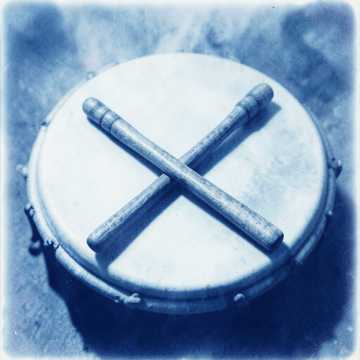
Paanch Ka Pasa
An ominous instrumental journey through a tense Mahabharata court, Paanch Ka Pasa moves from suspended vilambit Teentaal into fierce drut tabla, sharp Kathak footwork, sudden silence, and a climactic tihai before fading into an unresolved sarangi drone.
03:00
6 days ago
Teentaal: Definition, History, and Musical Significance
Teentaal (also spelled Tintal or Trital) is the most widely performed rhythmic cycle (tala) in North Indian Hindustani classical music. Consisting of 16 beats (matras) divided into four equal sections (vibhags) of four beats each, Teentaal serves as the foundational rhythmic framework for instrumental performances, vocal compositions, and classical dance forms such as Kathak. The traditional theka of Teentaal is: 'Dha Dhin Dhin Dha | Dha Dhin Dhin Dha | Dha Tin Tin Ta | Ta Dhin Dhin Dha.' Originating from the long evolution of the Hindustani tala system between the medieval and Mughal periods, Teentaal became the standard rhythmic cycle due to its mathematical symmetry, versatility, and adaptability across musical genres. Today, Teentaal remains central to classical concerts, music education, improvisation, tabla solo performances, and contemporary fusion projects. Its balanced 16-beat structure makes it accessible for beginners while offering limitless possibilities for advanced rhythmic improvisation, making Teentaal one of the most influential rhythmic patterns in Indian classical music.
Teentaal Sub-tags and Classifications
TraditionalTeentaal Definition and History Teentaal
Traditional Teentaal follows the classical 16-beat cycle with the original tabla theka. It is commonly used for khayal singing, instrumental recitals, and classical accompaniment, emphasizing rhythmic precision and balanced phrasing.
Vilambit Teentaal
Vilambit Teentaal refers to an extremely slow tempo version used primarily for elaborate raga development. The slower pace provides musicians with extensive opportunities for melodic improvisation, intricate ornamentation, and expressive phrasing before transitioning into faster sections.
Madhya Laya Teentaal
Performed at a medium tempo, Madhya Laya Teentaal balances melodic expression with rhythmic movement. It is frequently heard in vocal performances, instrumental compositions, and educational settings due to its accessibility and clarity.
Drut Teentaal
Drut Teentaal is played at a fast tempo and showcases technical virtuosity, energetic improvisation, rapid tabla compositions, and exciting exchanges between soloists and accompanists. It often concludes classical performances with dynamic intensity.
Tabla Solo Teentaal
In tabla solo concerts, Teentaal serves as the primary rhythmic framework for presenting peshkar, kaida, rela, gat, tukra, chakradar, paran, and tihai compositions. The symmetrical structure allows performers to demonstrate advanced rhythmic creativity and mathematical precision.
Fusion Teentaal
Fusion Teentaal integrates the traditional 16-beat cycle with jazz, rock, electronic music, film scoring, and world music. Contemporary musicians preserve the rhythmic identity of Teentaal while combining it with modern harmonic and production techniques.
Famous Teentaal Artists and Classic Works
Ustad Zakir Hussain
Widely regarded as one of the greatest tabla virtuosos, Zakir Hussain popularized Teentaal worldwide through classical performances, collaborations with international musicians, and educational initiatives. His improvisations demonstrate extraordinary rhythmic complexity while maintaining the integrity of the Teentaal cycle.
Tabla Solo in Teentaal
A classical tabla solo in Teentaal typically progresses through peshkar, kaida, rela, gat, tukra, chakradar, and tihai sections. The work highlights rhythmic development, improvisation, and mathematical precision while consistently returning to the sam, the first beat of the cycle.
Pandit Kishan Maharaj
A legendary representative of the Banaras gharana, Kishan Maharaj developed highly expressive Teentaal performances filled with powerful compositions, intricate tihais, and masterful improvisation that continue to inspire tabla players globally.
Raga Yaman in Vilambit and Drut Teentaal
One of the most frequently performed concert formats, this presentation begins with slow Teentaal for expansive melodic exploration before transitioning into fast Teentaal for energetic improvisation and rhythmic exchanges between soloist and tabla accompanist.
Pandit Ravi Shankar
The iconic sitar maestro frequently performed ragas in Teentaal, introducing international audiences to the rhythmic sophistication of Hindustani classical music through concerts, recordings, and collaborations.
Raga Bhimpalasi Khayal in Teentaal
This classical vocal form demonstrates how Teentaal supports lyrical interpretation, melodic improvisation, bol-taan, and sargam while maintaining a stable rhythmic framework throughout the performance.
Ustad Alla Rakha
As one of the most influential tabla masters of the twentieth century, Alla Rakha elevated Teentaal accompaniment through his remarkable performances alongside Ravi Shankar and his emphasis on rhythmic dialogue.
Sitar Recitals in Teentaal
Many traditional sitar recitals conclude with compositions in Teentaal, where complex rhythmic improvisations and synchronized interactions between sitar and tabla create a compelling musical climax.
Pandit Nikhil Banerjee
Known for deeply meditative sitar performances, Banerjee often developed ragas in Vilambit Teentaal before accelerating into faster Teentaal compositions, demonstrating the tala's expressive flexibility.
Pandit Bhimsen Joshi
The celebrated khayal vocalist regularly performed bandishes in Teentaal, combining emotional vocal expression with sophisticated rhythmic interplay that showcased the tala's importance in Hindustani vocal music.
Application Scenarios for Teentaal Music
Teentaal serves as the primary rhythmic framework for vocal, instrumental, and tabla solo performances, making it one of the most frequently performed talas in professional classical concerts.
Indian Classical Concerts
Kathak dancers rely heavily on Teentaal because its balanced 16-beat structure supports intricate footwork, rhythmic improvisation, storytelling, and synchronized choreography.
Kathak Dance Performances
Film composers incorporate Teentaal into scenes requiring authentic Indian classical atmosphere, emotional depth, cultural heritage, or traditional ceremonial settings.
Film Soundtracks
Music schools and conservatories use Teentaal as the foundational rhythmic cycle for teaching tabla, sitar, sarod, vocal music, and rhythm theory due to its structured yet versatile format.
Educational Music Programs
Modern composers blend Teentaal with jazz, progressive rock, electronic music, and orchestral arrangements to create innovative cross-cultural compositions while preserving traditional rhythmic principles.
World Music and Fusion Projects
Slow Teentaal performances are frequently featured during meditation sessions, yoga programs, cultural festivals, museum exhibitions, and heritage events, offering listeners a balanced and immersive rhythmic experience.
Meditation and Cultural Events