Free Afterlife Music Generator Powered by AI
Turn text into high-quality Afterlife music effortlessly – no login required!

music.toolTips
Necro-Aoidos (The High Requiem)
A dark, epic live ritual that transforms grief into collective resistance. Industrial metal, sub-bass, distorted guitars, choirs, and commanding male vocals build toward a stadium-wide catharsis, honoring the dead while defying censorship, algorithms, and every force that tries to silence ancestral memory.
04:58
2026-09-13

Necro-Aoidos (The High Requiem)
A monumental live requiem blending industrial metal, ritual imagery, and crowd-driven call-and-response. The song defies censorship while honoring the dead, building from ominous bells and sub-bass into a thunderous finale where collective voices turn grief, memory, and spiritual devotion into resistance.
04:50
2026-09-13

Necro-Aoidos (The High Requiem)
A dark industrial requiem portraying communal mourning as a sacred rite. Through spoken-word defiance, marching percussion, organ drones, and massive choral vocals, the song confronts censorship while offering the dead a final voice beyond the shadow's gate.
05:09
2026-09-13

Necro-Aoidos (The High Requiem)
A dark, theatrical requiem where an anonymous singer defends mourning as sacred faith. Industrial percussion, organ drones, cathedral choir, and crowd chants transform grief into resistance, while the song explores remembrance, censorship, spiritual connection, and the enduring voice of the dead.
05:04
2026-09-13
Necro-Aoidos (The High Requiem)
A necro-aoidos sings exclusively for the dead, treating remembrance as a sacred office rather than performance. Through organ drones, funeral bells, cello, and resonant vocals, the song becomes a brief requiem defending forgotten spirits and offering them the highest respect.
04:20
2026-09-13
Twelve Doors
Twelve Doors portrays a fractured mind seeking refuge beyond the living world. Through sparse piano, mournful cello, whispered voices, and weary vocals, the singer transforms illness, isolation, and sorrow into a haunting confession addressed to those who understand silence and loss.
03:18
2026-09-13

Te besaré desde el cielo
Una promesa de amor eterno narrada desde la distancia entre la vida y la muerte. El protagonista asegura que seguirá protegiendo, amando y besando a su ser querido desde el cielo, mientras una atmósfera cinematográfica intensifica el anhelo, la esperanza y el reencuentro.
04:13
2026-09-13

The Garden Beyond the Wire
A melancholic farewell to forgotten souls, the song transforms fractured thoughts, grief, and unbearable memories into a gentle musical offering. Fragile male vocals, female harmonies, child whispers, piano, cello, and choir create a haunting passage from sorrow toward acceptance, comfort, and rest.
05:44
2026-09-13
The Garden Beyond the Wire
A fragile soul transforms mental fragmentation and grief into a lullaby for the forgotten dead. Through piano, cello, layered choir, French and Latin whispers, and childlike innocence, the song moves from inner collapse toward acceptance, offering peace, remembrance, and a final goodnight to wandering spirits.
05:54
2026-09-13

Sun Meets the Sand
A wistful country ballad about grieving a lost love beside a tropical shoreline. Sunset, waves, footprints, flowers, and a slow-moving tortoise frame the singer’s memories, gradually transforming heartbreak into acceptance, while preserving hope that love may continue beyond this life.
03:57
2026-09-12

EL VERDADERO VIAJE
Una balada de tecnorumba flamenco-pop sobre dos almas separadas por la muerte que mantienen la esperanza de reencontrarse. Entre guitarras rumberas, sintetizadores nostálgicos y un estribillo épico, la canción transforma el duelo en una promesa de amor eterno.
06:59
2026-09-12

Wein nicht mehr
Eine verstorbene Seele spricht voller Liebe zu einem trauernden Menschen und bittet ihn, nicht länger zu weinen. Die sanfte Ballade spendet Trost, indem sie von Frieden im Himmel, bleibender Verbundenheit und einem hoffnungsvollen Wiedersehen erzählt.
02:58
2026-09-12

Wein nicht mehr
Das Lied spricht einem trauernden Menschen Trost zu: Die verstorbene Seele ist frei von Schmerz und in Gottes Frieden geborgen. Trotz des Abschieds bleibt die Liebe bestehen, getragen von Hoffnung auf ein Wiedersehen im Himmel.
03:32
2026-09-12

Wein nicht mehr
Eine verstorbene Seele tröstet einen geliebten Menschen und bittet ihn, nicht länger zu weinen. In einer friedvollen himmlischen Umgebung verwandelt sich der Schmerz des Abschieds langsam in Hoffnung, Glauben und die Gewissheit, dass die Liebe über den Tod hinaus weiterlebt.
03:22
2026-09-12

Wein nicht mehr
Eine tröstende Abschiedsballade aus der Perspektive einer verstorbenen Seele. Sanfte Klänge und warme Streicher vermitteln Frieden, während der Text Trauernde ermutigt, loszulassen, Liebe über den Tod hinaus zu bewahren und auf ein Wiedersehen im Himmel zu hoffen.
03:29
2026-09-12

From My Side of the Stars
A departed loved one watches over someone still living, offering comfort through memories, familiar songs, and enduring love. With a gentle gospel spirit, the song transforms grief into reassurance, reminding the listener to keep living until they meet again.
04:30
2026-09-11

I'm Still Right Here
A departed loved one speaks from a peaceful afterlife, reassuring those left behind that love remains present through grief. Slow acoustic blues, aching harmonies, and harmonica turn mourning into a gentle promise of courage, connection, and eventual reunion.
04:30
2026-09-11
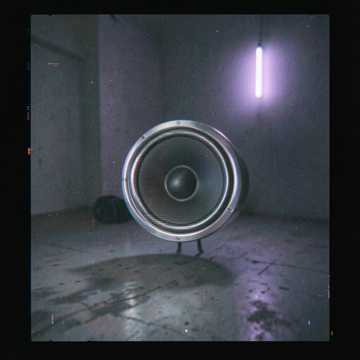
In the Afterlife
In the afterlife is an expansive instrumental psytrance voyage through futuristic tension, hypnotic repetition, and psychedelic release. Its rolling bass, metallic synths, acid motion, granular effects, atmospheric breakdown, and escalating drops evoke a passage between realities on a powerful late-night dancefloor.
04:47
2026-09-10

Lub Ntiajteb No Yog Taug Ib Pliag
Zaj nkauj qhia tias lub ntiajteb tsuas yog kev taug ib pliag, hos Ceeb Tsheej yog lub tsev nyob mus ib txhis uas Vajtswv npaj rau cov ntseeg. Nws txhawb kom tibneeg tuav txoj kev cia siab, ntseeg Yexus, thiab tsis ntshai txoj kev tuag.
03:32
2026-09-10
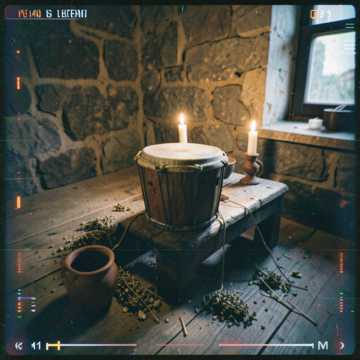
Himmel und Hölle
Eine archaisch klingende Warnung vor Selbsttäuschung und moralischer Flucht: Himmel und Hölle erscheinen als reale Folgen des eigenen Handelns. Intime Strophen, beschwörende Wechselgesänge und ein wuchtiger Schlusschorus verwandeln die Ballade in ein gemeinschaftliches Ritual über Vergänglichkeit, Rechenschaft und innere Wahrheit.
04:19
2026-09-10
Introduction to Afterlife: Definition and History
Afterlife is a genre of music that evokes ethereal, otherworldly experiences, often exploring themes of life after death, spirituality, and transcendence. The origins of Afterlife music can be traced back to ambient and experimental electronic genres, where artists sought to create immersive soundscapes that transport listeners beyond the physical realm. Over time, Afterlife has evolved to incorporate elements from various musical traditions, blending ambient, electronic, and cinematic sounds to create a deeply emotive and introspective auditory experience.
Sub-tags and Classifications of Afterlife
Ambient Afterlife
This sub-tag focuses on creating serene, meditative soundscapes that evoke a sense of peace and tranquility, often using soft synth pads, reverberated textures, and minimalistic compositions to immerse listeners in a reflective state.
Cinematic Afterlife
Cinematic Afterlife music draws inspiration from film scores and soundtracks, using orchestral elements and dramatic crescendos to build emotional depth and narrative within the music. This sub-tag is often used to underscore scenes of reflection, loss, or transformation in visual media.
Electronic Afterlife
Blending electronic beats and synthesized sounds, Electronic Afterlife adds a modern twist to the genre, incorporating pulsating rhythms and digital effects that give the music a futuristic, otherworldly feel.
Spiritual Afterlife
Spiritual Afterlife music often explores themes of ascension, enlightenment, and the divine. This sub-tag typically incorporates traditional instruments, chants, and nature sounds to create a sacred and uplifting atmosphere.
Famous Artists and Works Related to Afterlife
Brian Eno
Brian Eno, often credited as the father of ambient music, has been a pioneering force in the Afterlife genre. His work, such as 'Music for Airports,' laid the groundwork for the ethereal and contemplative soundscapes that define Afterlife music today.
Music for Airports by Brian Eno
This seminal work by Brian Eno is considered a cornerstone of the Afterlife genre. Its minimalist composition and serene soundscapes invite listeners into a meditative state, offering a sense of calm and transcendence.
Max Richter
Max Richter is known for his emotive and cinematic compositions that blend classical and electronic elements. His album 'Sleep' is a prime example of Afterlife music, guiding listeners through an introspective journey with its soothing, ambient tones.
Sleep by Max Richter
Max Richter's 'Sleep' is an eight-hour composition designed to accompany the listener through a full night's rest. Its delicate piano melodies and ambient drones create a peaceful, dreamlike atmosphere, embodying the essence of Afterlife music.
Hammock
Hammock is a post-rock and ambient duo whose music often explores themes of loss, memory, and the afterlife. Their album 'Oblivion Hymns' combines lush orchestration with ambient textures to create a deeply immersive listening experience.
Oblivion Hymns by Hammock
'Oblivion Hymns' by Hammock is a hauntingly beautiful album that combines ambient, orchestral, and post-rock elements to explore themes of loss, redemption, and the afterlife. The album's lush soundscapes and emotive crescendos make it a standout work in the Afterlife genre.
Application Scenarios for Afterlife Music
Afterlife music is often used in movie soundtracks to underscore scenes of reflection, transformation, or spiritual journeys. Its ethereal and emotive qualities make it ideal for conveying deep emotional resonance.
Movie Soundtracks
In advertising, Afterlife music can create a sense of calm and introspection, helping to convey messages of tranquility, wellness, or luxury. Its soothing tones can enhance the emotional appeal of a brand or product.
Advertising Music
Afterlife music is commonly used in video games to create immersive and atmospheric environments. Whether it's a serene exploration game or a narrative-driven adventure, the genre's ambient soundscapes can enhance the player's emotional connection to the game.
Game Background Music
Due to its calming and introspective nature, Afterlife music is frequently used in meditation and relaxation practices. Its gentle soundscapes help listeners achieve a state of mindfulness and peace, making it a popular choice for yoga studios, spas, and personal wellness routines.
Meditation and Relaxation