Free Ancient Japan Music Generator Powered by AI
Turn text into high-quality Ancient Japan music effortlessly – no login required!

music.toolTips
Kamikaze Ash
A fierce instrumental collision of ancient Japanese-inspired textures and modern trap energy. Taiko-like percussion, shakuhachi phrases, low drones, chants, and sharp transitions build a ritualistic, battle-ready atmosphere with cinematic weight.
03:20
Invalid date
神社の静けさ
歌声を用いず、篳篥風の旋律、龍笛、琴、琵琶、控えめな打楽器と神社の鈴が、古代日本の祭礼を思わせる空間を構築する。ゆるやかな旋律と自然な残響が、静謐な内省と穏やかな祈りを誘う。
03:35
2026-09-12
秘密の向こうへ
戦火に揺れる世界で、失われた記憶と姉妹の願いを胸に、二人の旅人が境界を越えていく物語。運命に抗い、秘密の向こうにある新しい朝と、二つの世界の未来を切り開く。
05:05
2026-09-06
孤高の刃
霧深い古代の山を舞台に、孤独な刃が千年の闇と消えゆく宿命に立ち向かう。三味線、尺八、太鼓、メタルギター、幻想的な合唱が、誇りと喪失、魂の安息を壮大かつ哀しく描き出す。
04:50
2026-08-29
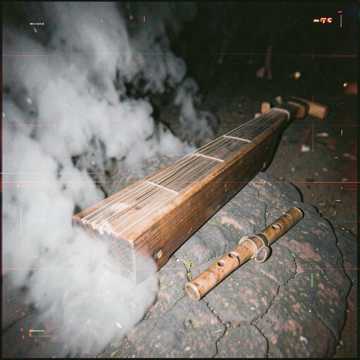
Ashes of Yamato
A vast, cinematic metal instrumental evoking the rise and ruin of an ancient empire. Thunderous taiko, shamisen, shakuhachi, layered choirs, pulsing arpeggios, and soaring guitars create a bright yet dark atmosphere of warfare, grief, honor, and remembrance.
03:54
2026-08-26
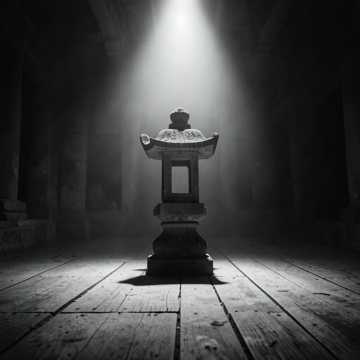
Moonlit Clan Oath
An oath-bound nocturnal metal piece where thunderous taiko, galloping guitars, shakuhachi, cinematic choirs, and soaring female vocals evoke a moonlit warrior clan preparing for battle. Its half-time pulse and icy grandeur suit fantasy trailers, ritual scenes, game soundtracks, and dramatic night journeys.
05:35
2026-08-26
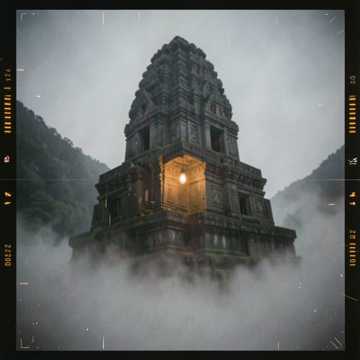
朧の天守
歌詞を持たない器楽曲として、霧に包まれた古い天守の威厳と哀愁を描く。半テンポの太鼓、鋭いギター、尺八、合唱、広がる残響が、歴史的幻想と戦場の緊張感を壮大に演出する。
05:35
2026-08-26
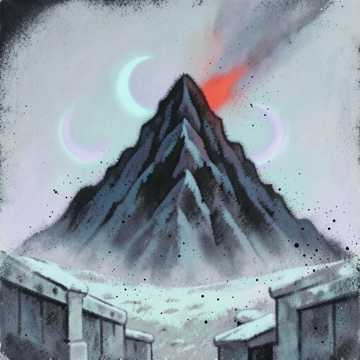
Moon Over Kuroji
A wordless cinematic journey through a haunted Japanese moonlit realm. Shakuhachi and koto emerge from spacious drones before biwa, shamisen, taiko, bells, and temple chimes intensify the scene into a powerful final surge, evoking mystery, ancestral spirits, hidden danger, and heroic destiny.
04:22
2026-08-11
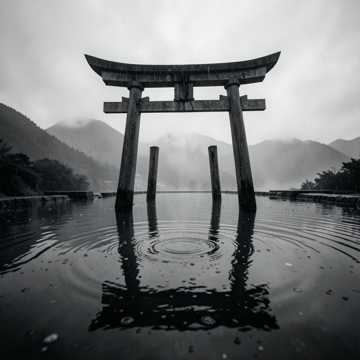
Torii at Dusk
A slow, cinematic instrumental that travels from intimate koto and shakuhachi reflections to a sweeping orchestral climax. Taiko pulses, temple bells, bamboo percussion, and rain-like textures create an ancient yet polished dusk-lit world.
03:47
2026-08-11
Introduction to Ancient Japan Music
Ancient Japan music, known as 'Gagaku' (雅楽), is a classical music genre that originated during Japan's Heian period (794-1185 AD). This music form was influenced by the court music of Tang Dynasty China, Korea, and other regions, eventually developing its own distinct style in Japan. Gagaku includes both vocal and instrumental music, characterized by its slow tempo, elegant melodies, and ritualistic significance. This genre of music has been preserved for centuries, performed at imperial courts, temples, and Shinto shrines, making it a vital part of Japan’s cultural heritage.
Sub-tags and Classifications of Ancient Japan Music
Gagaku (雅楽)
Gagaku is the most formal and oldest form of Japanese court music, often performed at the Imperial Court. It is divided into two main categories: 'Kangen' (instrumental music) and 'Bugaku' (dance music), both of which are used in ceremonial and religious contexts.
Shōmyō (声明)
Shōmyō is a form of Buddhist chant that dates back to the Nara period (710-794 AD). It is performed by monks and used in religious ceremonies. The chant is highly meditative, focusing on deep, resonant tones that create a spiritual atmosphere.
Kagura (神楽)
Kagura is a type of Shinto music and dance that is performed to honor the gods. Originating from ancient rituals, Kagura music includes drums, flutes, and vocal chanting, and is often associated with local festivals and religious ceremonies.
Noh (能)
Noh is a classical Japanese musical drama that combines elements of dance, music, and acting. The music in Noh theater is known for its subtlety and minimalism, with traditional instruments like the 'Nokan' flute and 'Tsuzumi' drums playing a crucial role in setting the tone for the performances.
Famous Artists and Works Related to Ancient Japan Music
Tōgi Shingen (東儀真胤)
Tōgi Shingen was a master Gagaku musician from the Heian period. His contributions include the preservation and refinement of Gagaku music, particularly through his innovations in instrumental compositions that are still performed today.
Etenraku (越天楽)
Etenraku is one of the most famous pieces of Gagaku music. Originally a Tang Dynasty Chinese composition, it was adapted and refined by Japanese court musicians. The piece is known for its serene and flowing melody, often used in imperial ceremonies and Shinto rituals.
Kangen Ensemble of the Imperial Household
This ensemble is one of the oldest and most revered groups performing Gagaku music. Their performances are a direct link to the ancient traditions of Japan, maintaining the authenticity and purity of the music over the centuries.
Shika no Tone (鹿の遠音)
Shika no Tone, meaning 'Distant Sound of the Deer,' is a classic piece for the Shō (a traditional Japanese wind instrument) in the Gagaku repertoire. This work is noted for its hauntingly beautiful melody, which evokes the sounds of nature and the tranquility of ancient Japan.
Application Scenarios for Ancient Japan Music
Ancient Japan music, particularly Gagaku and Noh compositions, is often used in historical films set in feudal Japan. The music helps to create an authentic atmosphere, enhancing the visual narrative and transporting viewers to the past.
Movie Soundtracks
In video games, Ancient Japan music is frequently used as background music for levels or scenes inspired by traditional Japanese culture. The use of Gagaku or Shōmyō can provide a mystical and immersive experience, especially in games set in ancient or fantasy worlds.
Video Games
Ancient Japan music is commonly played at cultural events, art exhibitions, and museum displays related to Japanese history. The music serves as an auditory backdrop that complements the visual elements, providing a deeper cultural context.
Cultural Events and Exhibitions