Free Biwa Music Generator Powered by AI
Turn text into high-quality Biwa music effortlessly – no login required!

music.toolTips

A star who handles water
This instrumental composition presents a water-wielding star as a poised yet formidable figure. Oriental colors, biwa resonance, piano tension, and bell-like light create a theatrical boss encounter that feels celestial, mystical, elegant, and dangerous.
02:53
Invalid date

An ocean of stars
'An ocean of stars' is a deeply emotional oriental piece featuring the mournful plucks of the traditional biwa intertwined with gentle piano keys. It captures a profound sense of solitude, grief, and cosmic wonder, evoking a poignant dramatic atmosphere ideal for theatrical or contemplative moments.
03:35
Invalid date
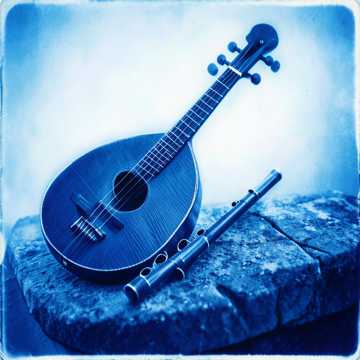
An unknown kingdom discovered
'An unknown kingdom discovered' is a fast, cheerful instrumental theme that paints a vivid auditory picture of grand exploration. Blending traditional Oriental instrumentation like flute and biwa with a bright, dynamic tempo, it evokes the awe and delight of stumbling upon an ancient, mysterious realm full of life.
02:25
Invalid date

An unknown kingdom discovered
An unknown kingdom discovered is a serene, joyful title theme blending traditional oriental flute and gentle biwa melodies. It evokes the awe-inspiring experience of stumbling upon a hidden, wondrous realm, filling the listener with warmth, curiosity, and peaceful wonder as a grand musical journey begins.
03:14
Invalid date
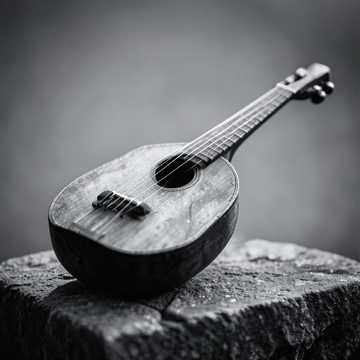
An unknown kingdom discovered
'An unknown kingdom discovered' is a tranquil, cinematic title theme blending gentle oriental flute with traditional biwa. Its slow, melodic pacing evokes a profound sense of awe and mystery, transporting listeners to the quiet grandeur of a long-lost realm waiting to be explored.
03:33
Invalid date

An unknown kingdom discovered.
'An unknown kingdom discovered' is a breathtaking Oriental title theme. Combining the meditative plucks of the Biwa with graceful flute melodies, this slow, atmospheric composition transports listeners into a realm of ancient mystery, grand discovery, and tranquil wonder.
03:23
Invalid date
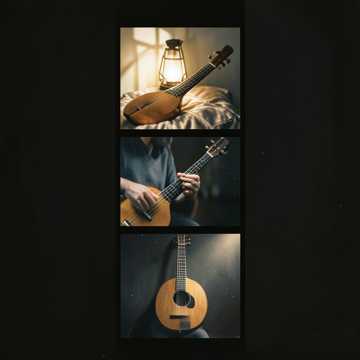
Biwa Scale Drift
A gentle biwa-led instrumental unfolds through recurring pentatonic motifs and flexible rubato phrasing. Delicate attacks, subtle reverberation, and natural wooden warmth shape an intimate atmosphere, while a more ornamented middle passage briefly rises before settling back into its opening cycle.
03:05
Invalid date
The future is in the hands of the Lord
Relja, begunac iz Srbije, priznaje Tsubasi strah od hapšenja i brigu za roditelje. Njihovo neobično bratstvo prerasta dugove, krivicu i kulturne razlike, dok hipnotična, gruba fuzija turbo-folka, minjo zvuka i industrijskih ritmova vodi ka zahvalnoj molitvi.
05:24
21 days ago
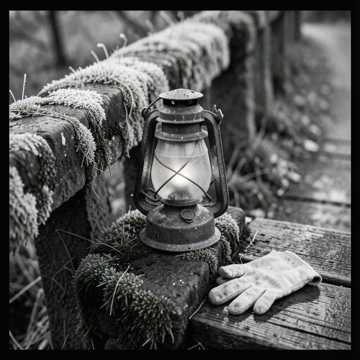
Ride Through the Red Leaves
A grieving sibling watches his brother ride into war beneath autumn leaves. Through vows, abandoned keepsakes, winter roads, and a final temple bell, the song transforms loss into enduring remembrance, balancing historical atmosphere with intimate family devotion.
04:08
2026-09-14
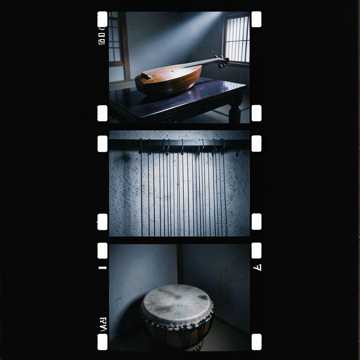
静かな朝の儀
静かな朝の祈りを思わせる序奏から、琵琶と琴、尺八、弦、太鼓が徐々に重なり、儀礼的な緊張と武の気配を描く。終盤は尺八を中心に内省的な余韻へ戻り、歴史的情景と映画的広がりを両立させている。
03:34
2026-09-12
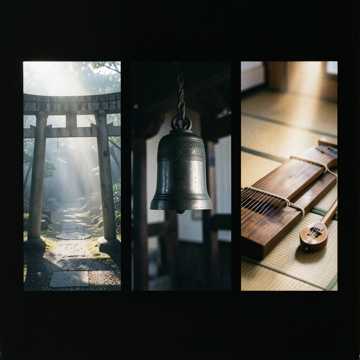
神社の静けさ
歌声を用いず、篳篥風の旋律、龍笛、琴、琵琶、控えめな打楽器と神社の鈴が、古代日本の祭礼を思わせる空間を構築する。ゆるやかな旋律と自然な残響が、静謐な内省と穏やかな祈りを誘う。
03:35
2026-09-12
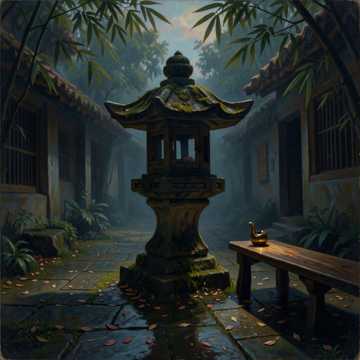
静かな庭
作品以克制的五声音阶和渐进式呼吸编排,营造温暖、内省的神社庭院氛围。稀疏尺八、琴与琵琶拨弦交织寺铃和木质空间回响,仿佛晨雾中的静庭,适合沉思、冥想与文化场景使用。
03:38
2026-09-12
朝の静けさ
尺八の息遣い、箏の五音音階、琵琶と笙の淡い重なりが、夜明けの神社に満ちる静けさを描く。疎な始まりから穏やかな ceremonial moodへ移ろい、余韻を残して静かに解決するインストゥルメンタル作品。
03:27
2026-09-12
Moon Over Kuroji
A wordless cinematic journey through a haunted Japanese moonlit realm. Shakuhachi and koto emerge from spacious drones before biwa, shamisen, taiko, bells, and temple chimes intensify the scene into a powerful final surge, evoking mystery, ancestral spirits, hidden danger, and heroic destiny.
04:22
2026-08-11
Yōkoso, 22
異文化の融合から鎖国、近代化、戦災、現代都市まで、日本の変遷を壮大かつ哀愁深く描く。和楽器、喉歌、ネオフォーク、行進曲、錯綜するリズムが、伝統と変化の緊張感を映し出す。
04:28
2026-08-10
Introduction to Biwa: The Traditional Japanese Instrument
The Biwa is a traditional Japanese stringed instrument, belonging to the lute family. It features a pear-shaped body and is typically played with a large plectrum. The Biwa's origins can be traced back to the Chinese pipa, which was introduced to Japan during the Nara period (710-794 AD). Over the centuries, the Biwa has evolved into various forms, each with distinct characteristics and uses in different musical contexts. Its role in Japanese culture has been significant, particularly in storytelling and classical court music.
Sub-tags and Classifications of Biwa
Gaku-biwa
The Gaku-biwa is primarily used in gagaku, the traditional court music of Japan. It has a larger body and fewer strings compared to other types of Biwa. The Gaku-biwa is known for its deep, resonant tones and is typically played in ensemble settings.
Heike-biwa
The Heike-biwa is associated with the recitation of The Tale of the Heike, a famous Japanese epic. This type of Biwa is smaller and lighter, making it easier for the performer to carry and play while narrating the epic tales. It has four strings and is tuned in a specific manner to accompany vocal performances.
Satsuma-biwa
Originating from the Satsuma region, the Satsuma-biwa is known for its robust and dynamic sound. It is often used in more expressive and dramatic performances. The instrument has four or five strings and is distinguished by its broader body and thicker plectrum, which allows for powerful strumming techniques.
Chikuzen-biwa
The Chikuzen-biwa, from the Chikuzen area, is commonly used in narrative singing and storytelling. It has a slightly smaller body and is typically equipped with five strings. The Chikuzen-biwa allows for intricate finger-plucking techniques and is favored for its versatility in both solo and accompaniment settings.
Famous Artists and Works Related to Biwa
Tsuruta Kinshi
Tsuruta Kinshi was a renowned Biwa player and a pivotal figure in modernizing the instrument. She introduced innovative playing techniques and expanded the repertoire of the Biwa, blending traditional and contemporary styles. Her contributions have left a lasting impact on Biwa music.
The Tale of the Heike
This epic narrative is a cornerstone of Japanese literature and music. Performances of The Tale of the Heike using the Heike-biwa involve reciting the story with musical accompaniment, highlighting the Biwa's role in conveying historical and emotional depth.
Yamashika Yoshiyuki
Yamashika Yoshiyuki is a contemporary Biwa artist known for his masterful performances and dedication to preserving the traditional art form. His representative works include several recordings of classical Biwa music and collaborations with other traditional Japanese musicians.
Tsuruta Kinshi's 'November Steps'
Composed by Tōru Takemitsu, 'November Steps' is a groundbreaking work that combines traditional Japanese instruments, including the Biwa, with Western orchestral elements. Tsuruta Kinshi's performance in this piece showcases the Biwa's adaptability and the potential for cross-cultural musical innovation.
Application Scenarios for Biwa Music
Biwa music is frequently used in Japanese films to evoke historical settings and enhance dramatic narratives. Its distinctive sound can add a layer of authenticity and emotional depth to period pieces and samurai dramas.
Movie Soundtracks
The unique and evocative sound of the Biwa can be utilized in advertisements to create a memorable and culturally rich auditory experience. It is particularly effective in campaigns that aim to highlight traditional Japanese culture or themes of heritage.
Advertising Music
In video games, especially those set in historical Japan or featuring samurai and ninja themes, Biwa music can enhance the immersive experience. Its use in background scores helps to set the scene and engage players with a sense of time and place.
Game Background Music