Free Courtly Music Generator Powered by AI
Turn text into high-quality Courtly music effortlessly – no login required!

music.toolTips
Sonata in G Major
A polished instrumental sonata in G major, this work unfolds through formal clarity, lyrical reflection, courtly dance, and spirited momentum. Full acoustic orchestra, balanced dynamics, and elegant counterpoint create a refined atmosphere suited to concert listening, period-inspired scenes, cultural events, and focused study.
02:42
3 days ago
I do not write of love,
This reflective song gives voice to a disillusioned writer far from his prince and homeland. Denying love, pleasure, wealth, health, honor, and virtue, he turns writing into a restrained confession of loneliness, exhaustion, and friendship undermined by pretense.
04:25
3 days ago

I do not write of love,
A solitary narrator writes from Tunisia, far from his prince and stripped of love, honor, health and friendship. Gentle words contrast with harsh inner pain as the song transforms courtly disappointment into a meditative, rhythm-driven confession.
04:07
3 days ago
Richard III. 1. Szene
Eine langsame, ernste Barock-Opern-Ouvertüre in g-Moll, die Richard III. in eine Atmosphäre aus königlicher Dunkelheit, politischer Bedrohung und tragischer Vorahnung stellt. Händelsche Klangsprache, gravitätische Gesten und orchestrale Spannung zeichnen das Bild eines machtbewussten, innerlich abgründigen Herrschers.
02:25
2026-09-18

C Major Minuet
A bright, brisk Baroque minuet in C major, shaped by recorder-led exchanges, crisp strings, steady bass, and harpsichord pulse. Its lighter middle passage creates contrast before a richly ornamented reprise, evoking an elegant courtly dance and refined eighteenth-century chamber performance.
02:46
2026-09-15
Keeper of the Hidden Hall
A noble keeper journeys through hidden halls, ancient rivers, and vanished lands, guided by patience, courage, and careful listening. Its medieval orchestral atmosphere moves from shadowed mystery toward quiet revelation, suggesting that the kingdom sought beyond the turning gate ultimately exists within the self.
03:58
2026-09-14
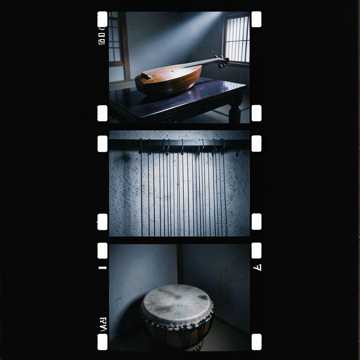
静かな朝の儀
静かな朝の祈りを思わせる序奏から、琵琶と琴、尺八、弦、太鼓が徐々に重なり、儀礼的な緊張と武の気配を描く。終盤は尺八を中心に内省的な余韻へ戻り、歴史的情景と映画的広がりを両立させている。
03:34
2026-09-12
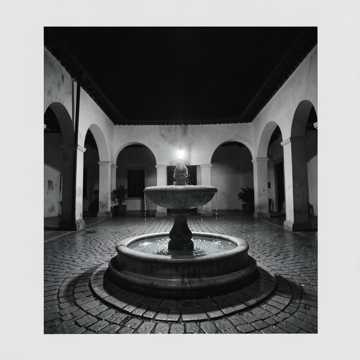
Moonlit Courtyard Waltz
A slow, intimate palace waltz that evokes moonlit gardens, whispered romance, and timeless courtly elegance. Felt piano, expressive strings, warm cello, and subtle harp create a refined period-drama atmosphere, gradually swelling toward a cinematic and graceful ending.
03:15
2026-09-04
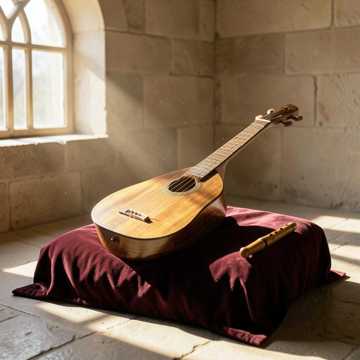
Château Provençal
A refined Renaissance chamber instrumental featuring graceful dances, delicate counterpoint, and warm period instruments. Beginning with elegant ensemble interplay, it pauses for an intimate solo lute passage before returning to a rich, celebratory courtly finale.
04:05
2026-07-26

Cour dIvoire
Cour dIvoire evokes a Renaissance court through an instrumental chamber ensemble colored by Provençal folk traditions. Its lilting dance pulse, intimate opening, expanding counterpoint, and radiant modal finale create an atmosphere of antique elegance, ceremonial warmth, and pastoral refinement.
03:32
2026-07-26
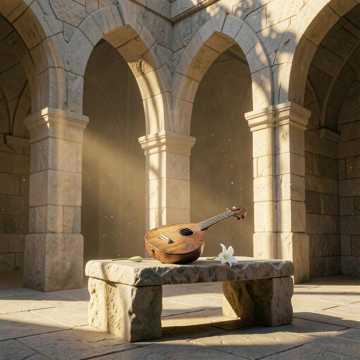
Lute In The Courtyard
Renaissance Song AnalysisA warm Renaissance chamber instrumental that evokes a sunlit palace courtyard through expressive lute, recorder, viola da gamba, harp, and subtle percussion. Gentle triple rhythms and modal counterpoint create an elegant, tranquil, and historically inspired listening experience.
04:35
2026-07-26
Provençal Tapestry
A Renaissance-style instrumental that blends lute, recorder, viola da gamba, and hand drum into a graceful dance. Expanding into rich ensemble harmonies before ending with an intimate solo lute reprise, it evokes the elegance and warmth of a medieval courtyard.
03:15
2026-07-26

Handel- Flöte- F-dur-250726-002
A serene, Handel-inspired Baroque orchestral piece in F major, shaped as a slow arioso with a clear lyrical theme. Warm strings and continuo support an expressive solo recorder, while harpsichord textures and virtuoso passages create an elegant, radiant, and courtly musical atmosphere.
08:00
2026-07-25

Cembalosuite-Bourrée-in C-moll-200726
An instrumental Baroque bourrée for harpsichord inspired by Handel. Despite the title mentioning C minor, the melodic style specifies F major, creating an elegant, courtly dance with balanced phrasing, refined ornamentation, and vibrant historical character.
03:47
2026-07-21

Lute and Velvet
A lively Renaissance lute dance with regal, sprightly rhythms, delicate recorder flourishes, and intimate ambient textures, evoking courtly elegance and refined historical charm.
03:35
2026-06-09

Courtly Lute Jig
A spirited Renaissance-inspired instrumental that blends fast-paced lute rhythms, courtly ensemble flourishes, and delicate ornamental passages. Its warm chamber atmosphere evokes noble celebrations, elegant dances, and the refined charm of historical court entertainment.
03:23
2026-06-08

Courtly Masque
A refined instrumental piece blending Renaissance chamber elegance with ambient softness. Light plucked strings, harpsichord sparkle, and poised triple-time rhythms create a ceremonial atmosphere suited for storytelling, reflective narration, and historical fantasy settings.
02:35
2026-06-08

Courtyard on Ivory
A warm Renaissance-inspired chamber piece that blends courtly dance energy with intimate ambient textures. Flowing pianoforte motifs, light percussion, and airy closing arpeggios create an elegant backdrop well suited to narration, reflection, and period-inspired atmospheres.
01:16
2026-06-08
Golden Court Air
An instrumental Renaissance-inspired chamber piece, blending delicate pianoforte, soft plucked textures, and noble counterpoint, evoking courtly elegance and ambient serenity ideal for reflective or spoken-word accompaniment.
05:01
2026-05-30
Courtly Music: A Journey Through Elegance and Aristocratic Artistry
Courtly music refers to a genre of music that was predominantly performed in the courts of the aristocracy during the medieval and Renaissance periods. Originating in the courts of Europe, particularly in France, England, and Italy, Courtly music was characterized by its refined and sophisticated nature, designed to entertain and reflect the tastes of the elite. The genre evolved from the troubadour and trouvère traditions of the 12th century, eventually becoming a hallmark of cultural prestige in royal courts. It often featured intricate compositions, poetic lyrics, and was performed by skilled musicians and singers.
Exploring the Sub-tags and Classifications of Courtly Music
Troubadour Songs
Troubadour songs were among the earliest forms of Courtly music, originating in the Occitan-speaking regions of France in the 12th century. These songs were typically composed and performed by troubadours, poet-musicians who sang of chivalry, courtly love, and the noble ideals of their time. The music was often monophonic, with a single melodic line, and lyrics were central to the expression of romantic and moral themes.
Madrigals
Madrigals are a form of secular vocal music that flourished during the Renaissance, particularly in Italy and England. Unlike the monophonic troubadour songs, madrigals were polyphonic, with multiple vocal lines that were often highly expressive and harmonically complex. Madrigals were typically performed a cappella and became a popular form of entertainment in aristocratic courts, showcasing the skill of both composers and singers.
Chansons
Chansons are a type of French Courtly music that emerged in the late medieval and Renaissance periods. These songs, often written by court composers, were polyphonic and could be either sacred or secular in nature. Secular chansons usually focused on themes of love and nature, and they were composed to be performed in the intimate settings of the royal court. The chanson genre significantly influenced the development of other European music forms.
Consort Music
Consort music refers to instrumental ensembles that played in the courts during the Renaissance and early Baroque periods. These ensembles, or 'consorts,' typically consisted of instruments from the same family, such as viols, recorders, or lutes, and performed intricate and sophisticated music that was often composed specifically for royal entertainment. The music could be purely instrumental or serve as accompaniment for vocal performances.
Notable Artists and Iconic Works of Courtly Music
Guillaume de Machaut
Guillaume de Machaut was a prominent French composer and poet of the 14th century, known for his contributions to the ars nova style of Courtly music. His works include a significant collection of motets, ballades, and chansons. Machaut's 'Le Voir Dit' is a notable example of his skill in blending poetic and musical forms, and his influence extended well beyond his lifetime.
Le Voir Dit by Guillaume de Machaut
Le Voir Dit ('The True Story') is one of Machaut's most famous works, blending poetry and music to tell the tale of an idealized Courtly love. The composition showcases Machaut's mastery of both lyrical and musical forms, with intricate melodies and rhythms that reflect the sophistication of Courtly culture. The work is considered a landmark in the development of the chanson genre.
John Dowland
John Dowland was an English composer and lutenist of the late Renaissance, renowned for his melancholic songs and intricate lute compositions. His works, such as 'Flow My Tears' and 'Lachrimae,' exemplify the emotional depth and technical skill associated with Courtly music. Dowland's influence was widespread, and his music remains a cornerstone of early English lute repertoire.
Flow My Tears by John Dowland
Flow My Tears is one of John Dowland's most iconic lute songs, characterized by its melancholic melody and expressive text. The piece exemplifies the deep emotional resonance of Courtly music, with its plaintive tone and intricate lute accompaniment. Dowland's ability to convey sorrow and introspection through music made this work a staple in the courts of Elizabethan England.
Claudio Monteverdi
Claudio Monteverdi was an Italian composer whose work marked the transition from the Renaissance to the Baroque era. His contributions to Courtly music include madrigals that displayed a deep emotional expressiveness and innovative use of harmony and orchestration. Monteverdi's 'L'Orfeo,' though an opera, was deeply rooted in the Courtly traditions of his time, blending vocal and instrumental music in ways that influenced the future of Western music.
L'Orfeo by Claudio Monteverdi
L'Orfeo is a seminal work by Monteverdi that, while an opera, is deeply connected to the traditions of Courtly music. The piece integrates elements of madrigal and consort music, with its expressive vocal lines and rich orchestration. L'Orfeo represents a significant innovation in the use of music to convey drama and emotion, influencing the development of opera and Courtly music alike.
Contemporary Applications of Courtly Music
Courtly music is often used in film soundtracks to evoke the atmosphere of historical settings, particularly in movies set in medieval or Renaissance periods. The refined and sophisticated nature of Courtly music can help to create a sense of authenticity and immersion, transporting audiences to the courts of kings and queens.
Film Soundtracks
In advertising, Courtly music is sometimes employed to convey luxury, elegance, and tradition. Brands that wish to associate their products with a sense of heritage and prestige may use Courtly music to enhance their messaging, creating an auditory link to the grandeur of aristocratic culture.
Advertising Music
Courtly music is also featured in video games, particularly those set in medieval or fantasy worlds. The music helps to establish the setting and mood, often accompanying scenes of royal courts, noble ceremonies, or romantic interludes. Its use in games provides players with a rich, immersive experience that enhances the storytelling and atmosphere.
Video Game Background Music