Free Creole Culture Music Generator Powered by AI
Turn text into high-quality Creole Culture music effortlessly – no login required!

music.toolTips
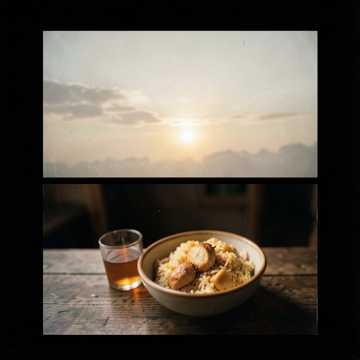
Soleil Kréol
Soleil Kréol est un hymne chaleureux à La Réunion. Entre séga, fête, cuisine créole et nuits dansantes, la chanson célèbre la convivialité, le bonheur simple et l’identité974 sur une fusion trap, R&B et jazz portée par une voix masculine.
01:53
4 days ago
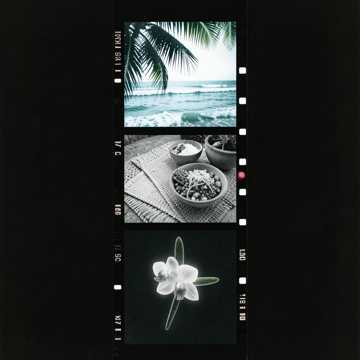
Ô mon île !
Cette chanson célèbre La Réunion comme une île-femme, majestueuse et métissée. Le maloya accompagne un voyage sensoriel entre volcan, océan, cuisine, traditions, mémoire familiale et vie quotidienne. Les voix, tambours et images colorées affirment l’unité d’un peuple façonné par l’histoire et la diversité.
05:50
5 days ago

Ô mon île !
Cette chanson célèbre La Réunion comme une terre de mémoire, de métissage et de partage. Le maloya accompagne un voyage sensoriel entre volcan, océan, marchés, cuisine créole, traditions ancestrales et vie quotidienne, dans un hommage vibrant à l’unité et à la beauté de l’île.
06:42
5 days ago
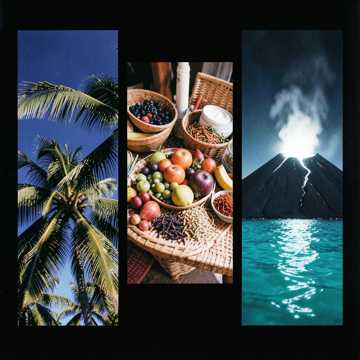
Ô mon île !
Cette ode à La Réunion célèbre une île volcanique, métissée et généreuse. Entre paysages, cuisine, traditions, mémoire familiale et maloya, la chanson fait vibrer l’unité d’un peuple riche de ses cultures, de ses blessures et de ses mille couleurs.
06:43
5 days ago
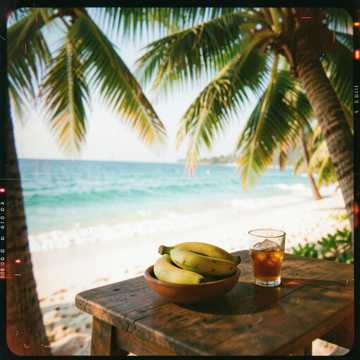
Ô mon île !
Cette chanson célèbre La Réunion comme une île-femme, terre de mémoire, de métissage et de partage. Entre volcan, marchés, cuisine créole, maloya et paysages flamboyants, elle transforme l’attachement au pays en hymne chaleureux à l’unité culturelle.
07:04
5 days ago

Ô mon île !
Un hymne chaleureux à La Réunion, où la mer, le volcan, les saveurs créoles et les traditions racontent une île métissée. Entre maloya, séga et gospel, la chanson célèbre la mémoire, l’unité et la richesse culturelle d’un peuple tourné vers la lumière.
06:52
5 days ago

Ô mon île !
Cette ode à La Réunion célèbre ses paysages volcaniques, sa mémoire, ses traditions, sa cuisine et son peuple métissé. Entre maloya, séga, gospel et sonorités créoles, la chanson devient un hymne chaleureux à l’unité, à la transmission et à la beauté insulaire.
07:11
5 days ago

Ô mon île !
Cette chanson célèbre La Réunion comme une île-monde, riche de paysages volcaniques, de traditions, de saveurs et de mémoires. Portée par le maloya, le séga, les percussions et les chœurs, elle transforme le métissage culturel en hymne collectif, chaleureux et profondément identitaire.
06:56
5 days ago

Ô mon île !
Cet hymne célèbre La Réunion comme une île-femme, terre de volcans, de saveurs et de mémoire. Les voix, tambours et guitares racontent son métissage, ses traditions, ses paysages et l’unité d’un peuple, dans une fusion chaleureuse de maloya, séga et gospel.
06:51
5 days ago
Ô mon île !
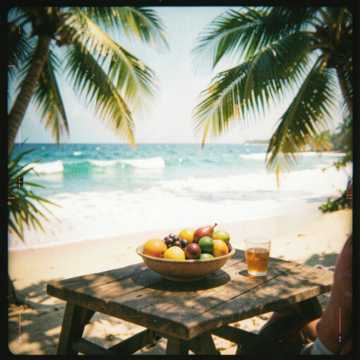
Cette chanson célèbre La Réunion, son volcan, ses paysages, sa cuisine et son patrimoine métissé. Entre maloya, séga, gospel et orchestration symphonique, elle fait résonner la mémoire d’un peuple uni par les traditions, les saveurs, la fête et l’amour de son île.
06:52
5 days ago

Ô mon île !
Cet hymne célèbre La Réunion comme une terre de métissage, de mémoire et de partage. Entre maloya, gospel et chants collectifs, l’île devient une femme majestueuse, portée par ses paysages, ses traditions, ses saveurs, son histoire et l’unité de son peuple.
07:02
5 days ago

Ô mon île !
Un hommage festif et profondément enraciné à La Réunion, où la mer, le volcan, les traditions, les migrations et la cuisine deviennent les voix d’un peuple métissé. Le dialogue entre meneur et chœur transforme la mémoire insulaire en célébration collective.
06:40
5 days ago

Hiti
Hiti' captures the essence of Haiti's natural beauty and cultural richness, blending heartfelt lyrics with soulful violin melodies.
03:36
2024-08-08
Introduction to Creole Culture
Creole Culture refers to the cultural expressions and traditions of Creole people, which developed as a result of the blending of African, European, and Indigenous influences in various parts of the world, particularly in the Caribbean, Louisiana, and other parts of the Americas. The term 'Creole' originally described people born in the New World, especially those of European descent, but it has since evolved to encompass a rich cultural identity that includes language, music, cuisine, and religious practices. Creole Culture's history dates back to the colonial era when the mixing of different cultures, languages, and traditions gave birth to a unique and vibrant way of life that continues to thrive today.
Sub-tags and Classifications of Creole Culture
Creole Music
Creole music is a vibrant fusion of African, European, and Indigenous sounds, reflecting the diverse cultural heritage of Creole communities. It encompasses various genres such as Zydeco, a lively form of dance music from Louisiana, and Kompa, a genre from Haiti characterized by its upbeat rhythms and smooth melodies. Creole music is known for its use of traditional instruments like the accordion, fiddle, and drums, and often features lyrics in Creole languages.
Creole Language
Creole languages are languages that developed from the blending of multiple languages, primarily in colonial societies. These languages often emerged in slave communities where African languages mixed with European languages like French, Spanish, or English. Famous Creole languages include Haitian Creole, Louisiana Creole, and Papiamento. Each language is unique, yet they share commonalities in grammar and vocabulary, reflecting the cultural exchanges that created them.
Creole Cuisine
Creole cuisine is a flavorful and diverse culinary tradition that combines elements from French, Spanish, African, and Indigenous cooking. Dishes like gumbo, jambalaya, and étouffée are staples of Louisiana Creole cuisine, known for their rich flavors and use of spices. In the Caribbean, Creole cuisine incorporates tropical ingredients like plantains, coconut, and seafood, resulting in a variety of vibrant and delicious dishes that are central to Creole cultural identity.
Creole Religious Practices
Creole religious practices often blend elements of Christianity with African and Indigenous spiritual traditions. Voodoo in Haiti and Louisiana, for example, is a syncretic religion that merges Catholicism with West African spiritual practices. Other Creole communities may practice Santería, Candomblé, or other syncretic religions that reflect their diverse cultural heritage. These practices are often characterized by rituals, music, dance, and the veneration of ancestors and spirits.
Famous Artists and Works in Creole Culture
Clifton Chenier
Known as the 'King of Zydeco,' Clifton Chenier was a pioneering musician who brought Creole music to a wider audience. His innovative use of the accordion and his blending of blues, R&B, and traditional Creole sounds helped define the Zydeco genre. Chenier's contributions to Creole music were recognized with a Grammy Award in 1983, and his legacy continues to influence musicians today.
Les Haricots Sont Pas Salés
This iconic Zydeco song, performed by Clifton Chenier, is one of the most famous pieces of Creole music. The title translates to 'The Beans Are Not Salty,' and the song is known for its catchy accordion melody and infectious rhythm. The song exemplifies the blend of African, French, and Caribbean influences that characterize Creole music and has become a staple of the Zydeco genre.
Queen Ida
Queen Ida is a Grammy-winning Zydeco musician who helped popularize the genre in the 1970s and 1980s. As one of the few female accordionists in a male-dominated field, Queen Ida broke barriers and introduced audiences around the world to the energetic and joyful sounds of Creole music. Her albums, including 'Queen Ida & The Bon Temps Zydeco Band,' remain classics in the genre.
My Toot Toot
Written and performed by Rockin' Sidney, 'My Toot Toot' is a Zydeco classic that gained international fame in the 1980s. The song's playful lyrics and upbeat tempo made it a hit on both country and pop charts, introducing many listeners to the sounds of Creole music. 'My Toot Toot' is celebrated for its crossover appeal and remains a beloved track in the Creole music repertoire.
Beausoleil
Beausoleil is a renowned Cajun and Creole band from Louisiana, known for their fusion of traditional Cajun music with elements of Zydeco, blues, and jazz. Led by Michael Doucet, the band has received multiple Grammy Awards and is celebrated for their role in preserving and revitalizing Creole music. Their work showcases the rich musical heritage of Louisiana and its Creole communities.
Application Scenarios for Creole Culture Music
Creole music is often used in movie soundtracks to evoke the atmosphere of the American South or the Caribbean. The lively rhythms and unique sounds of Zydeco and Cajun music can bring authenticity and cultural richness to films set in these regions. For example, movies like 'The Big Easy' have used Creole music to great effect in their soundtracks, adding to the film's immersive experience.
Movie Soundtracks
The energetic and joyful nature of Creole music makes it ideal for use in advertising, especially for products and brands that want to convey a sense of fun, tradition, or cultural diversity. The distinctive sounds of the accordion and fiddle can create a memorable auditory brand experience that resonates with a wide audience.
Advertising Music
In video games, Creole music can be used to enhance the ambiance of levels set in the American South or Caribbean. The music's dynamic rhythms and rich cultural connotations can help transport players into these environments, making the gaming experience more immersive. Games that explore themes of cultural heritage or historical events may also use Creole music to add depth and authenticity to their soundtracks.
Game Background Music