Free Ektara Music Generator Powered by AI
Turn text into high-quality Ektara music effortlessly – no login required!

music.toolTips

सूना आँगन — LEAVE THE DOOR OPEN
यह गीत अपने अकेलेपन को करुणा में बदलने वाले एक हृदय की कहानी है। जिसने कभी सहारा नहीं पाया, वह अब हर टूटे और उदास व्यक्ति के लिए अपना द्वार खोलता है। पीड़ा यहाँ कठोरता नहीं, बल्कि साथ देने, सुनने और घर जैसा अपनापन देने की शक्ति बनती है।
07:28
1 days ago
সন্ধ্যার বাতাস বলে রে মন
'সন্ধ্যার বাতাস বলে রে মন' একটি হৃদয়স্পর্শী লোকসঙ্গীত, যা জীবনের ব্যস্ততা ভুলে আত্মিক অনুসূচনা, পারিবারিক ভালোবাসা এবং স্রষ্টার পথে ফিরে আসার বার্তা দেয়। বাঁশি ও একতারার ধীর লয়ে তৈরি এই গানটি জীবনের প্রকৃত অর্থ খুঁজে পেতে শ্রোতাকে গভীরভাবে অনুপ্রাণিত করে।
04:01
Invalid date

মনের মানুষ
'মনের মানুষ' গানটি মানুষের মনের গভীরে সুপ্ত ভালোবাসা ও আত্মান্বেষণের একটি আধ্যাত্মিক পরিবেশনা। ঐতিহ্যবাহী বাউল বাদ্যযন্ত্র এবং আধুনিক সুরের মেলবন্ধনে রচিত এই গানটি বাহিরের জগতের বদলে নিজের অন্তরে প্রকৃত মানুষ ও ভালোবাসাকে খুঁজে পাওয়ার অমূল্য বার্তা দেয়।
04:32
1 days ago
गढ़ते-गढ़ते
'गढ़ते-गढ़ते' कबीर के निर्गुण दोहों से प्रेरित एक रूहानी लोक-गीत है। यह माटी और सृजनकार के संवाद के माध्यम से आत्म-खोज, मौन, और जीवन की नश्वरता का गहरा दार्शनिक विश्लेषण प्रस्तुत करता है।
06:14
2 days ago

गढ़ते-गढ़ते
'गढ़ते-गढ़ते' कबीर की निरगुण शैली से प्रेरित एक दार्शनिक रचना है। यह गीत मिट्टी, वास्तु और सृजन के माध्यम से मनुष्य के अंतर्मन की खोज करता है। बाहरी दुनिया का निर्माण करते-करते इंसान कैसे स्वयं को गढ़ता है, यह सुरीली यात्रा इसी गहराई को उजागर करती है।
04:46
2 days ago
আয়নার মানুষ (Aynar Manush)
আয়নার মানুষ আত্মপরিচয়ের সংকট, সামাজিক মুখোশ এবং নিজের সত্যসত্তাকে চিনে নেওয়ার আধ্যাত্মিক আহ্বানের গান। বাউল দর্শনের সরল অথচ গভীর ভাষায় গানটি মনে করিয়ে দেয়, বাহ্যিক প্রতিবিম্ব নয়, অন্তরের মানুষকেই খুঁজে পাওয়া জরুরি।
03:13
3 days ago
Nodir Shurute
নদীর শুরুর একটি ধীর, কোমল ও অন্তর্মুখী বাংলা লোক-ভক্তিমূলক বাদ্যসংগীত। একতারা ও খোলের sparse সূচনা ধীরে তানপুরা, বাঁশি, হারমোনিয়াম ও bowed strings-এর স্তরে বিস্তৃত হয়ে নদীর প্রবাহ, প্রার্থনা ও আত্মিক প্রশান্তির আবহ নির্মাণ করে।
03:27
Invalid date

ভেতর আকাশ
ভেতর আকাশ আত্মঅন্বেষণ, ঘরে ফেরার আকাঙ্ক্ষা ও নীরব অন্তরালোকে আশ্রয় নেওয়ার গান। বাউল দর্শনের সরল প্রতীকে এটি শ্রোতাকে বাহ্যিক ভ্রমণ ছেড়ে নিজের ভেতর শান্তির ঘর নির্মাণের আহ্বান জানায়।
02:46
Invalid date

প্রাখি হৃদয়ে
‘প্রাখি হৃদয়ে’ এক পথহারা প্রাণের আত্মিক প্রত্যাবর্তনের গান। নদীর ভাটিস্রোত, মাটির গন্ধ, গুরুর বাণী ও বুকের প্রদীপের প্রতীকে গীতিকার অন্তরের শান্তি, করুণা ও হারানো আপন সত্তাকে খুঁজেছেন। বাউলধর্মী সুরে গানটি বিষণ্নতা পেরিয়ে আত্মজাগরণ ও আশার দিকে এগিয়ে যায়।
02:30
Invalid date

পরাণের পাখি
নদীর ধারে বসে এক প্রেমিক দূর পরবাসে থাকা প্রিয়জনকে খোঁজে। সন্ধ্যার বাঁশি, তারার আলো, মেঘে পাঠানো চিঠি ও মাটির টানে গানটি বিচ্ছেদ, স্মৃতি এবং ফিরে পাওয়ার গভীর আকাঙ্ক্ষাকে ভাটিয়ালি আবহে ধারণ করে।
03:02
Invalid date
বাউল গান
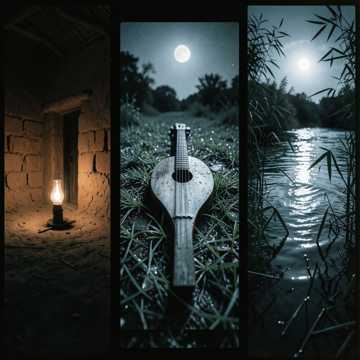
এই গানটি হারিয়ে যাওয়া মনের মানুষের প্রতি গভীর বিরহ, অপেক্ষা ও আত্মিক ভালোবাসার কথা বলে। নদী, চাঁদ, মাটির ঘর ও একতারার প্রতীকে প্রেমিক হৃদয়ের আকুলতা ফুটে ওঠে। শেষে বাহ্যিক অনুসন্ধান পেরিয়ে নিজের অন্তরে সেই প্রিয় সত্তার সন্ধান মেলে।
04:08
4 days ago

বাংলা বাউল গান
নদীর তীরে অপেক্ষমাণ এক বিরহী হৃদয় মনের মানুষকে খুঁজে বেড়ায়। বাউল দর্শনের আলোকে প্রেম, বিচ্ছেদ, গুরুপথ ও আত্মঅন্বেষণ একাকার হয়ে যায়। একতারা, নদী ও রাতের প্রকৃতি তার অন্তর্গত আকুলতার প্রতীক হয়ে ওঠে।
04:06
Invalid date

Noyan Daku
নয়ন ডাকু ধর্মীয় ভণ্ডামি, হিংসা ও মানবতার অবক্ষয়ের বিরুদ্ধে এক গভীর পল্লি-প্রতিবাদ। কাঁচা পুরুষকণ্ঠ, ডটারা, একতারা, খামাক ও বাঁশির বিষণ্ন সুরে গানটি প্রশ্ন তোলে: মানুষ হারিয়ে গেলে ধর্মের জয় কিসের?
04:10
5 days ago
Noyan Daku
নয়ন ডাকু ধর্মের বাহ্যিকতা ও হিংসার বিরুদ্ধে মানবতাবাদী প্রতিবাদ। গানটি প্রশ্ন তোলে, সৃষ্টিকর্তার নাম মুখে রেখেও মানুষ কীভাবে মানুষের গলা চেপে ধরে। করুণ পল্লিগীতি, দীর্ঘ আবেগময় সুর এবং কাঁচা কণ্ঠে এটি বিবেক, সহমর্মিতা ও সামাজিক অন্ধকারের এক শক্তিশালী দলিল।
04:08
5 days ago

Noyan Daku
ধর্মীয় পরিচয়ের আড়ালে মানুষের নিষ্ঠুরতা ও মানবতার হারিয়ে যাওয়াকে গানটি গভীর যন্ত্রণায় তুলে ধরে। পল্লিগানের সরল অথচ শক্তিশালী ভাষায় এটি প্রশ্ন করে, মানুষ যদি মানুষকে না মানে, তবে ধর্ম, সাধনা ও সভ্যতার প্রকৃত অর্থ কী।
03:52
5 days ago
baul song
এই গানটি জাগতিক মায়াজাল ছিন্ন করে মা তারার চরণে আত্মনিবেদনের এক গভীর বাউল আকুতি। একতারা ও দোতারার সোঁদা সুরে গানটিতে আধ্যাত্মিক বিরহ, যাতনা এবং পরম মুক্তির প্রার্থনা করুণ আবেগে ফুটে উঠেছে।
01:41
5 days ago

मोहन मुरली वाले, तेरी बंसी की धुन प्यारी
A soulful bhakti bhajan that praises Lord Krishna, invoking his divine presence, love, and wisdom. With lyrics reflecting devotion and divine play, this calm, rhythmic piece transports listeners to the sacred realms of Vrindavan and Gokul.
02:42
2024-11-08

জমের ঘরের মায়া
জমের ঘরের মায়া is a Bengali song that delves into the realms of love and spirituality through a fusion of folk, Sufi, and rock music.
03:08
2024-09-20
Introduction to Ektara: Definition and History
Ektara, which means 'one-stringed' in Hindi, is a traditional South Asian musical instrument. It is one of the simplest forms of string instruments, consisting of a single string stretched over a resonating chamber. The Ektara has roots in ancient Indian and folk music, particularly used in devotional songs by wandering minstrels and Sufi mystics. Over time, it has become a symbol of rural and folk traditions in India, Bangladesh, and Pakistan, often associated with the Bauls of Bengal. The instrument's origins date back over 1,000 years, and it has evolved in both form and function, influencing the development of other stringed instruments like the dotara and tanpura.
Sub-tags and Classifications of Ektara
Traditional Ektara
The traditional Ektara is the most basic form, often made from bamboo or wood with a gourd or coconut shell serving as the resonator. It is played by plucking the single string with a metal pick, producing a sharp, distinct sound. This version is most commonly associated with folk musicians and religious singers in rural areas.
Modern Ektara
In contemporary times, the Ektara has undergone modifications to suit modern musical genres. Modern versions may feature metal resonators, adjustable pitch, and the ability to be amplified for use in fusion and world music. These instruments are used by experimental musicians looking to blend traditional sounds with modern melodies.
Baul Ektara
The Baul Ektara, specifically used by the Bauls of Bengal, has a unique spiritual and cultural significance. It is often smaller and more portable, allowing traveling minstrels to carry it easily. It is integral to Baul music, which focuses on spiritualism, humanism, and social commentary.
Punjabi Tumbi
The Tumbi is a variation of the Ektara used primarily in Punjabi folk music. It has a higher pitch and is widely used in Bhangra music, providing the sharp, rhythmic sounds that are a hallmark of the genre. While technically a one-stringed instrument like the Ektara, the Tumbi has its distinct sound and playing style.
Famous Artists and Works Related to Ektara
Lalon Fakir
Lalon Fakir, a renowned mystic and folk singer from Bengal, is one of the most influential figures associated with Ektara. His songs, focusing on spirituality and social equality, were often accompanied by the Ektara. Lalon's music transcended religious boundaries and still resonates in Bengal's rural areas.
Lalon's 'Shahoj Manush'
A spiritual folk song composed by Lalon Fakir, 'Shahoj Manush' embodies the simplicity and depth of Baul philosophy. The Ektara is used to emphasize the minimalist approach, allowing the profound lyrics to take center stage. The combination of soulful vocals and Ektara's sharp sound creates an emotionally charged listening experience.
Paban Das Baul
Paban Das Baul is a contemporary Baul singer who brought Ektara music to the global stage. Known for blending traditional Baul music with international sounds, his use of the Ektara in tracks like 'Dil Ki Doya' has popularized the instrument in world music circles.
Paban Das Baul's 'Dil Ki Doya'
'Dil Ki Doya,' a collaboration with the UK-based group State of Bengal, merges traditional Baul music with electronic beats. The Ektara plays a central role in maintaining the authenticity of the folk tradition, while modern elements add new dimensions to the song. This fusion marked an innovation in how Ektara could be used in world music.
Baba Bulleh Shah
Bulleh Shah, a Sufi poet and mystic, used the Ektara in his compositions, often performing it himself. His poetry, deeply rooted in Sufi thought, combined with the simple yet haunting sound of the Ektara, creating a powerful medium for expressing spiritual devotion.
Bulleh Shah's 'Bulleya Ki Jaana'
This famous Sufi composition by Bulleh Shah has been adapted into many contemporary renditions, but the traditional version accompanied by the Ektara stands out for its raw, emotional depth. The repetitive, rhythmic plucking of the Ektara echoes the contemplative nature of the lyrics, making it a timeless classic.
Application Scenarios for Ektara Music
Ektara's unique sound has been used in various film soundtracks to evoke a sense of tradition, spirituality, or rural life. It is particularly effective in period films or those that focus on folk culture. For instance, Bollywood films like 'Peepli Live' have incorporated Ektara in their soundtracks to emphasize the connection to rural India.
Movie Soundtracks
Brands often use Ektara music in advertisements when they want to invoke a sense of heritage, authenticity, or nostalgia. The sharp, distinct notes of the Ektara can instantly connect with an audience, especially when promoting traditional or cultural products, such as organic food, handicrafts, or travel destinations in rural regions.
Advertising Music
The Ektara is also used in video game soundtracks, particularly those set in ancient or mythological settings. Its simplicity and earthy tones create an ambient background that fits perfectly with themes of exploration, mystery, or spirituality in games that feature traditional or historical elements.
Game Background Music