Free Field recordings Music Generator Powered by AI
Turn text into high-quality Field recordings music effortlessly – no login required!

music.toolTips

Midnight Tide Study Drift
A calming lo-fi track with oceanic sounds, subtle instrumentation, and ambient field recordings. Ideal for study, relaxation, or creating a peaceful atmosphere.
01:26
Invalid date
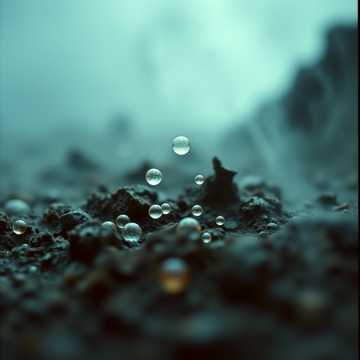
Mud Pulse
A slow-building, organic ambient instrumental with field recordings, soft synths, and evolving textures. Its tactile, evolving soundscape invites deep listening and introspection.
06:04
1 days ago

Atardecer en Calma
An ambient instrumental journey, 'Atardecer en Calma' features soft guitar, piano, and field recordings, building from sparse to fuller textures and ending in a single, calming motif.
03:40
1 days ago

House-1
An experimental house track with downtempo influences, featuring a heavy bassline and innovative rhythms, designed to create an immersive auditory experience.
04:00
2024-10-15

Echoes in the Industry
A captivating instrumental piece featuring deep distorted sub bass and reverb-heavy minimal electronic elements, evoking an industrial ambiance.
04:00
2024-10-11
Introduction to Field Recordings: Definition, Origins, and Historical Development
Field Recordings refer to audio recordings captured outside traditional studio environments, often in natural, urban, or industrial settings. These recordings document real-world soundscapes, environments, and spontaneous sonic events. The origins of Field Recordings date back to the late 19th and early 20th centuries, when early ethnomusicologists and anthropologists began using portable recording devices to preserve indigenous music, folk songs, and ambient environmental sounds. In the 1950s and 1960s, the development of magnetic tape and portable recorders made Field Recordings more accessible, leading to their adoption by avant-garde composers and sound artists such as John Cage and Pierre Schaeffer. Today, Field Recordings form a crucial part of ambient, experimental, and electronic music, and continue to evolve with digital technology, offering a window into the acoustic ecology of our world.
Sub-tags and Classifications within Field Recordings
Nature Field Recordings
Nature Field Recordings capture the sounds of the natural world, including birdsong, rain, ocean waves, wind, and animalField Recordings overview calls. These recordings emphasize environmental authenticity and are often used in ambient music, environmental documentaries, and sound therapy. Artists in this sub-genre seek to highlight the beauty of natural ecosystems and raise awareness of ecological issues.
Urban Field Recordings
Urban Field Recordings document the soundscapes of cities—traffic noise, footsteps, public transport, conversations, and mechanical rhythms. These recordings reflect the sonic texture of modern life and are often used in experimental and electronic compositions to explore the interaction between humans and built environments.
Industrial Field Recordings
Industrial Field Recordings focus on mechanical and technological sounds, such as factory machines, engines, or construction sites. This sub-tag highlights the raw and rhythmic character of industrialized environments and often appears in genres like industrial music, sound art installations, and experimental electronic works.
Ethnographic Field Recordings
Ethnographic Field Recordings document the musical, linguistic, and cultural expressions of communities around the world. Originally used for academic and archival purposes, these recordings preserve traditional music, rituals, and oral histories, serving as valuable cultural records and influencing world music and ethnomusicology.
Electroacoustic Field Recordings
This classification combines real-world sound sources with electronic manipulation. Electroacoustic Field Recordings often involve processing environmental sounds using digital tools to create immersive soundscapes or abstract compositions, blurring the line between natural and synthetic audio textures.
Famous Artists and Works in the Field Recordings Genre
Chris Watson
A founding member of the influential band Cabaret Voltaire, Chris Watson is one of the most celebrated Field Recordists. His solo works, such as 'Weather Report' and 'El Tren Fantasma,' explore natural and environmental soundscapes with cinematic precision. Watson’s recordings have also been featured in BBC nature documentaries, emphasizing the emotional power of real-world sound.
Weather Report – Chris Watson (2003)
A landmark album in the Field Recordings genre, 'Weather Report' captures soundscapes from Kenya, Scotland, and the North Pole. Each track immerses the listener in distinct environmental conditions, demonstrating the narrative and musical depth achievable through natural sound alone.
Bernie Krause
Bernie Krause is known for his pioneering work in soundscape ecology. His extensive collection of Nature Field Recordings, particularly 'The Great Animal Orchestra,' captures the acoustic diversity of the natural world. Krause’s research highlights how environmental changes impact natural soundscapes, blending science and art through sound.
The Great Animal Orchestra – Bernie Krause (2012)
This work integrates years of Nature Field Recordings to illustrate the symphonic structure of natural ecosystems. Krause's concept of 'biophony'—the collective sound of organisms in an environment—introduced a scientific framework to Field Recordings while remaining artistically compelling.
Hildegard Westerkamp
Hildegard Westerkamp is a Canadian composer and sound ecologist who integrates Field Recordings into her electroacoustic compositions. Her works, such as 'Kits Beach Soundwalk,' emphasize deep listening and the interplay between environmental and human sounds, inspiring the modern soundscape movement.
Kits Beach Soundwalk – Hildegard Westerkamp (1989)
A foundational piece in soundscape composition, this work layers recordings from a Vancouver beach with reflective narration. It explores themes of human intervention in natural spaces, inviting listeners to reconsider their relationship with environmental sounds.
Alan Lomax
Alan Lomax was a pivotal figure in the history of Ethnographic Field Recordings. His extensive documentation of folk and blues music across the United States and beyond helped preserve cultural heritage and influenced generations of musicians and researchers in ethnomusicology.
4 Rooms – Jacob Kirkegaard (2006)
Recorded inside abandoned buildings in the Chernobyl exclusion zone, '4 Rooms' transforms environmental stillness into resonant, evolving textures. Kirkegaard recorded ambient sound, replayed it into the same space, and layered the results—revealing haunting, hidden sonic dimensions.
Jacob Kirkegaard
Jacob Kirkegaard’s Field Recordings explore hidden or inaudible environments. His project '4 Rooms,' which records the decaying spaces of Chernobyl, transforms ambient silence into haunting sonic portraits, showcasing the artistic and emotional potential of Field Recordings as a medium.
Application Scenarios of Field Recordings in Modern Media and Art
Field Recordings are widely used in film and TV to create authentic atmospheres. From rainforest ambiences to cityscapes, these recordings enhance emotional realism and immerse viewers in the scene. Nature documentaries, in particular, rely heavily on Field Recordings for environmental authenticity.
Film and Television Soundtracks
In gaming, Field Recordings provide lifelike soundscapes that enhance player immersion. Games like 'The Last of Us' and 'Red Dead Redemption 2' use recorded environmental sounds—wind, footsteps, wildlife—to create believable virtual worlds and emotional depth.
Video Game Sound Design
Many ambient and electronic musicians integrate Field Recordings into compositions to add texture, depth, and realism. Artists use environmental sounds as rhythmic or melodic elements, blending natural and synthetic tones to craft evocative sonic experiences.
Ambient and Experimental Music Production
Field Recordings feature prominently in contemporary art installations, where soundscapes are used to evoke memory, place, or emotion. Artists employ multi-channel playback systems to recreate immersive environments in galleries and public spaces.
Art Installations and Sound Exhibitions
Brands increasingly use Field Recordings in advertising to convey authenticity and emotional connection. Natural sounds like rain, forests, or city life can reinforce brand storytelling, enhancing consumer engagement through relatable auditory experiences.
Advertising and Branding