Free Folk Fiddle Music Generator Powered by AI
Turn text into high-quality Folk Fiddle music effortlessly – no login required!

music.toolTips

Samuel Of SouthHold
Samuel of Southhold follows a feared yet tender pirate whose legend grows through naval battles, ghostly rumors, and endless voyages. His beloved remains faithful, mourning his disappearance while searching the horizon. The song contrasts maritime danger with intimate longing, portraying freedom, memory, and love that survives uncertainty.
05:52
12 hours ago

Of South-Hold
A woman mourns Samuel, her former lover who became a hunted pirate known as the Deathless. As rumors spread of burning ships and naval battles, she remains devoted, waiting for his return while fearing that the sea has claimed both his body and soul.
04:19
14 hours ago
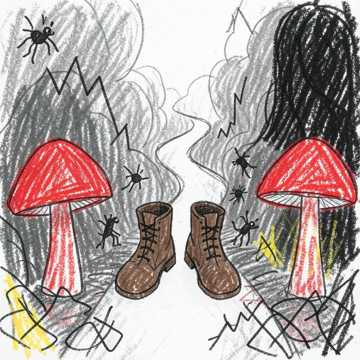
Traveller
'Traveller' is a whimsical medieval folk nursery rhyme blending lively lute melodies, theatrical male vocals, and bouncy rhythms. With playful humor and catchy group chants, the song warns brave adventurers to stick together while wandering through the mysterious, fog-shrouded fantasy woods.
03:23
15 hours ago
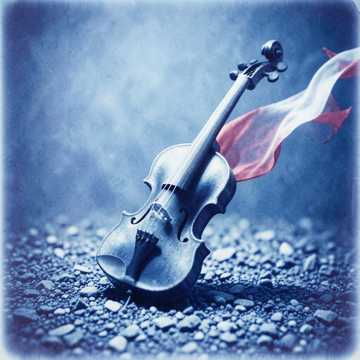
All Night Long
A passionate couple dances through a warm village night, surrounded by folk melodies, gravel roads, river light, and a singing crowd. Blending reggae-pop energy with Polish-inspired warmth, the song celebrates belonging, spontaneous romance, and holding onto a magical moment until dawn.
04:29
6 days ago
Folk Fiddle Music: Definition, Origins, and Historical Development
Folk fiddle is a traditional style of violin-based music rooted in regional folk cultures and community storytelling traditions. Unlike classical violin performance, folk fiddle music emphasizes rhythmic drive, melodic ornamentation, improvisation, dance accompaniment, and oral transmission. The term 'folk fiddle' generally refers to fiddle playing traditions found in Celtic, Appalachian, Scandinavian, Eastern European, Canadian, and American folk music. Although the fiddle and violin are technically the same instrument, the term 'fiddle' reflects a distinctive performance style connected to folk dance music and cultural identity. The history of folk fiddle dates back several centuries, with origins linked to medieval European string traditions. As immigrants traveled across Europe and later to North America, they brought regional fiddle styles that evolved into unique local traditions. Irish and Scottish settlers strongly influenced Appalachian folk fiddle music in the United States, while Nordic countries developed highly ornamented Scandinavian fiddle traditions. Folk fiddle became central to barnFolk Fiddle Music SEO dances, festivals, weddings, storytelling events, and rural entertainment. During the 20th century, folk revival movements helped preserve and popularize folk fiddle music worldwide. Today, folk fiddle remains an essential genre within folk music, acoustic music, roots music, bluegrass, Americana, Celtic music, and world music scenes. Modern folk fiddle artists continue to blend traditional techniques with contemporary genres such as indie folk, cinematic music, and experimental acoustic fusion.
Folk Fiddle Sub-tags and Classifications in Traditional and Modern Folk Music
Celtic Folk Fiddle
Celtic folk fiddle is one of the most recognized folk fiddle styles, originating from Ireland and Scotland. This sub-tag features fast reels, jigs, hornpipes, and expressive slow airs. Celtic fiddle music is characterized by ornamentation techniques such as rolls, cuts, and grace notes that create a highly emotional and dance-oriented sound. Instruments are often accompanied by bodhrán, harp, accordion, and acoustic guitar. Celtic folk fiddle is widely used in traditional folk festivals, fantasy movie soundtracks, and medieval-inspired game music.
Appalachian Folk Fiddle
Appalachian folk fiddle developed in the Appalachian Mountains of the United States through a fusion of Scottish, Irish, English, and African-American musical traditions. This folk fiddle style emphasizes rhythmic bowing patterns, old-time melodies, and dance accompaniment for square dances and clogging. Appalachian folk fiddle strongly influenced the development of country music and bluegrass. Common techniques include drone strings, shuffle bowing, and repetitive melodic phrasing.
Bluegrass Fiddle
Bluegrass fiddle is a fast-paced and technically advanced sub-style of folk fiddle associated with American bluegrass music. Popularized by musicians such as Kenny Baker and Bobby Hicks, bluegrass fiddle combines folk melodies with improvisation and virtuosic solos. Bluegrass fiddle often features syncopation, rapid runs, and interaction with banjo, mandolin, and upright bass. This classification remains highly influential in modern acoustic and Americana music.
Nordic Folk Fiddle
Nordic folk fiddle encompasses Scandinavian fiddle traditions from Sweden, Norway, and Finland. This style is known for haunting modal melodies, asymmetrical rhythms, and the use of specialty instruments such as the Hardanger fiddle. Nordic folk fiddle often creates atmospheric and cinematic textures that are widely used in film scores and ambient folk music. Traditional Nordic dances such as polskas are closely associated with this sub-tag.
Eastern European Folk Fiddle
Eastern European folk fiddle includes Romanian, Hungarian, Balkan, and Slavic fiddle traditions. These styles feature highly expressive ornamentation, complex rhythms, and emotionally intense melodic structures. Eastern European folk fiddle often incorporates improvisation and virtuosic technical passages. The music is commonly used in traditional celebrations, folk dances, and world music fusion projects.
French Canadian Folk Fiddle
French Canadian folk fiddle is a lively and rhythmic fiddle tradition rooted in Quebec and Acadian culture. This style is recognized for energetic dance tunes, foot percussion, and strong rhythmic phrasing. French Canadian folk fiddle combines French folk melodies with Celtic influences and is frequently featured in traditional dance gatherings and folk festivals.
Contemporary Folk Fiddle
Contemporary folk fiddle blends traditional folk fiddle techniques with modern genres such as indie folk, cinematic music, electronic folk, and acoustic pop. Artists in this classification often experiment with looping technology, layered harmonies, and genre crossover production. Contemporary folk fiddle has become increasingly popular in streaming playlists, television soundtracks, and modern folk ensembles.
Famous Folk Fiddle Artists, Influential Musicians, and Classic Folk Fiddle Works
Tommy Jarrell
Tommy Jarrell was a legendary Appalachian folk fiddle musician known for preserving old-time fiddle traditions from North Carolina. His rhythmic bowing techniques and traditional dance tunes influenced generations of American folk musicians. Representative works include 'Sail Away Ladies' and 'Sugar Hill.' Jarrell played a critical role in the folk revival movement and helped document traditional rural fiddle styles.
Orange Blossom Special
Often referred to as the 'national anthem of fiddlers,' 'Orange Blossom Special' is a landmark work in American folk fiddle and bluegrass music. The composition showcases rapid bowing, train-inspired sound effects, and technical virtuosity. Its energetic tempo and improvisational sections made it a standard piece for competitive fiddle performance and country music recordings.
Martin Hayes
Martin Hayes is one of the most celebrated Irish folk fiddle players in contemporary Celtic music. His emotionally expressive performance style and minimalist phrasing redefined modern Irish fiddle music. Albums such as 'The Lonesome Touch' and collaborations with The Gloaming expanded the international reach of Celtic folk fiddle.
The Butterfly
A widely recognized Irish jig, 'The Butterfly' demonstrates the melodic elegance and ornamentation central to Celtic folk fiddle. The tune features flowing phrasing, subtle rhythmic complexity, and expressive dynamics that make it a staple in traditional Irish sessions and folk music ensembles.
Alasdair Fraser
Scottish folk fiddle master Alasdair Fraser is known for preserving and modernizing Scottish fiddle traditions. His compositions combine traditional dance rhythms with cinematic arrangements. Fraser's work has significantly contributed to the global popularity of Scottish folk fiddle and educational outreach for traditional music.
Ashokan Farewell
Composed by Jay Ungar, 'Ashokan Farewell' became internationally famous through documentary film soundtracks. The piece combines folk fiddle simplicity with cinematic emotional depth. Its lyrical melody and nostalgic atmosphere helped introduce folk fiddle music to broader audiences outside traditional folk communities.
Kenny Baker
Kenny Baker was a foundational bluegrass fiddle artist best known for his work with Bill Monroe and the Blue Grass Boys. His clean melodic phrasing, improvisational ability, and smooth bowing style became defining elements of bluegrass fiddle performance. His album 'Master Fiddler' remains a classic in folk fiddle and bluegrass music history.
Devil's Dream
A classic old-time and Appalachian folk fiddle tune, 'Devil's Dream' is known for its fast melodic repetition and dance-oriented rhythm. The piece highlights traditional shuffle bowing and drone techniques that define old-time folk fiddle performance.
Natalie MacMaster
Natalie MacMaster is a globally recognized Canadian folk fiddle performer specializing in Cape Breton and Celtic fiddle traditions. Her energetic performances, technical virtuosity, and crossover collaborations introduced folk fiddle music to mainstream audiences. She has helped modernize traditional fiddle music without losing its cultural roots.
Cooley's Reel
One of the most iconic Irish folk fiddle reels, 'Cooley's Reel' exemplifies the speed, ornamentation, and communal spirit of Celtic fiddle music. Frequently played in sessions worldwide, the tune showcases intricate melodic interplay and energetic dance rhythms.
Annbjørg Lien
Norwegian musician Annbjørg Lien is a leading figure in Nordic folk fiddle music. Her work blends traditional Scandinavian melodies with ambient and contemporary arrangements. Albums such as 'Prisme' and 'Baba Yaga' helped popularize Nordic folk fiddle in international world music circles.
Fisher's Hornpipe
This traditional fiddle tune is deeply connected to North American folk fiddle traditions and remains popular in bluegrass and old-time music circles. The composition's syncopated rhythm and memorable melodic structure make it ideal for dance accompaniment and instrumental improvisation.
Application Scenarios for Folk Fiddle Music in Media, Entertainment, and Commercial Projects
Folk fiddle music is widely used in movie soundtracks to evoke nostalgia, rural landscapes, historical settings, and emotional storytelling. Celtic folk fiddle frequently appears in fantasy and historical films, while Appalachian fiddle music is often used in dramas and frontier-themed cinema.
Movie Soundtracks
Game developers use folk fiddle music in role-playing games, fantasy adventures, medieval simulations, and open-world exploration titles. Nordic and Celtic folk fiddle styles create immersive atmospheres that enhance world-building and emotional engagement.
Video Game Background Music
Brands use folk fiddle music in advertising campaigns to communicate authenticity, craftsmanship, tradition, and warmth. Acoustic folk fiddle arrangements are especially popular in travel advertisements, food branding, outdoor lifestyle promotions, and heritage-focused campaigns.
Advertising and Commercial Campaigns
Documentary filmmakers frequently use folk fiddle music to support historical narratives, cultural storytelling, and regional identity themes. Folk fiddle creates emotional resonance and reinforces authenticity in travel documentaries, historical series, and nature programming.
Television and Documentary Production
Folk fiddle music is a central feature of folk festivals, Celtic celebrations, traditional dance gatherings, and cultural heritage events. Live fiddle performances encourage audience participation and preserve community-based musical traditions.
Festival and Live Event Entertainment
Modern ambient folk fiddle compositions are increasingly used in relaxation playlists, mindfulness applications, and atmospheric streaming content. Slow fiddle melodies combined with acoustic textures create calming emotional environments suitable for wellness and focus.
Meditation and Ambient Folk Playlists
Music educators and cultural organizations use folk fiddle music to teach traditional musical heritage, regional dance styles, and oral performance traditions. Workshops, online tutorials, and archival recordings help preserve folk fiddle techniques for future generations.
Educational and Cultural Preservation Programs