Free Gothic Rock Music Generator Powered by AI
Turn text into high-quality Gothic Rock music effortlessly – no login required!

music.toolTips
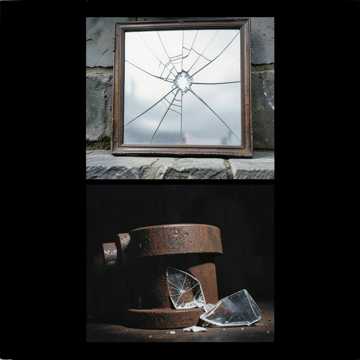
Зеркальце Скажи! (+)
Гротескная индустриальная сказка о тщеславной королеве, которую зеркало жестоко высмеивает и доводит до безумия. Марширующие барабаны, механический бас, скрежещущие гитары, орган и зловещая скрипка превращают чёрный юмор, ненависть и зависть в агрессивный гимн проклятого замка.
04:34
2026-09-13
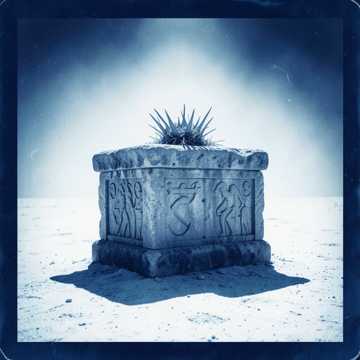
Rise
Rise follows a marked wanderer across a burning desert toward a buried kingdom and unavoidable judgment. Guided by angels and haunted by prophecy, he abandons his identity, faith, and hope, ultimately standing alone as the fallen king while the wasteland claims everything.
06:50
2026-09-13

The Ship Has a Heart
A rescue crew boards a vanished ship that conceals a living gateway to a burning dimension. As the vessel weaponizes memories and fear, the survivors sever their connection and escape, but its final radio message reveals that the nightmare still knows their destination.
06:18
2026-09-13
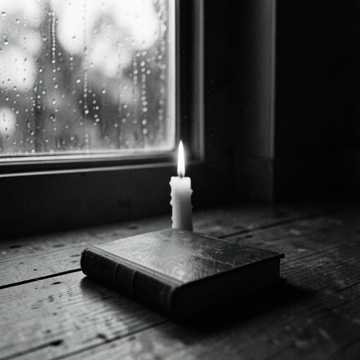
Cathedral of Broken Light
A haunted lover enters a sealed world of grief, memory, and forbidden devotion. Together, two wounded hearts transform sorrow into a cathedral of broken light, refusing closure as the song rises through gothic imagery toward an expansive, defiant final vow.
04:24
2026-09-13
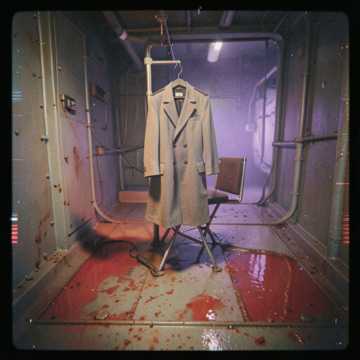
The Ship That Remembers Us
A doomed rescue crew boards a sentient spacecraft that wears the voices and faces of the dead. As reality tears open, the survivors escape, but the ship remembers them and follows through the darkness, transforming cosmic exploration into a chilling psychological nightmare.
05:28
2026-09-13
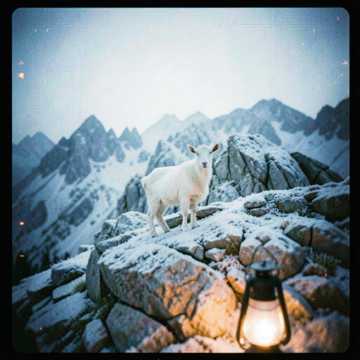
Flocke, Schneeziege
Das Lied erzählt von Flocke, einer unerschrockenen Schneeziege, die durch ein eisiges Bergtal führt. Ihre stille Stärke verwandelt Kälte und Einsamkeit in Hoffnung, Orientierung und Heimkehr.
03:54
2026-09-13
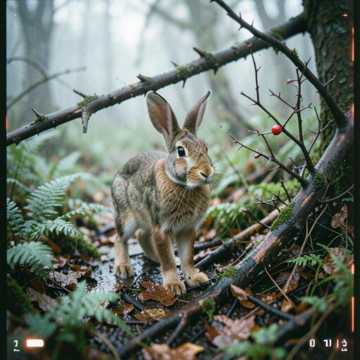
Klopfer im schwarzen Wald
Der Song erzählt von Klopfer, einem wilden Hasen, der unbeirrt durch einen unheimlichen Wald läuft. Zwischen Fuchs, Krähen, Eis und Schweigen wird seine Flucht zu einem Bild für Freiheit, Trotz und den Mut, dem Unbekannten allein entgegenzutreten.
04:03
2026-09-13
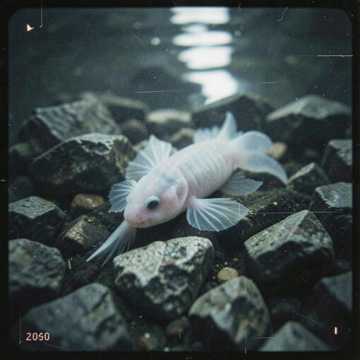
Axolotl, Kind aus kaltem Blau
Ein melancholisches Gothic-Rock-Lied über den Axolotl als Sinnbild für Regeneration und Hoffnung. In dunklen Tiefen begegnet ein erschöpftes Ich der Möglichkeit, dass Zerbruch nicht das Ende bedeutet, sondern der Beginn einer stillen Verwandlung und Heimkehr sein kann.
04:23
2026-09-13
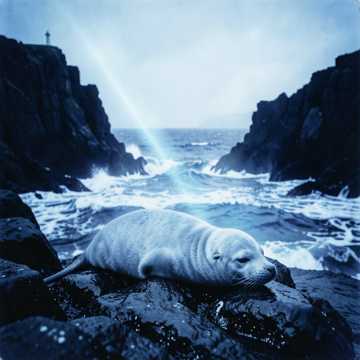
Emmy, Seehundkind
Emmy, ein junges Seehundkind, sucht nach dem Verlust seiner Mutter Halt in der kalten Brandung. Zwischen Sturm, Leuchtturm und dunklem Horizont wächst ihr Mut, bis sie den eigenen Weg findet und dem Morgenlicht entgegen schwimmt.
04:03
2026-09-13
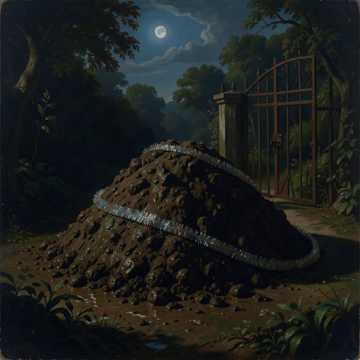
Wombatdame der Nacht
Eine majestätische Wombatdame durchstreift einen kalten Garten, gräbt unbeirrt durch Erde und Dunkelheit und wird zur stillen Königin ihres Reviers. Der Song verbindet Beharrlichkeit, Schutz und nächtliche Naturpoesie mit theatralischer Gothic-Rock-Wucht.
04:13
2026-09-13
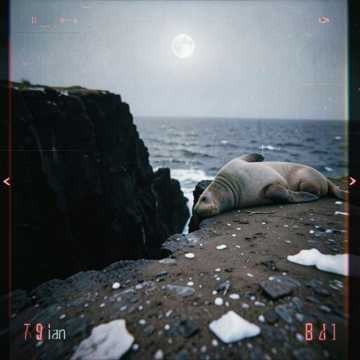
Nesejka und Odin
Das Lied erzählt von Nesejka und Odin, zwei mächtigen Walrossen, die an einer unwirtlichen Küste über ihre gemeinsame Welt wachen. In düsterer, ritueller Atmosphäre werden Treue, Stärke, Narben, Einsamkeit und die unzerbrechliche Verbundenheit zweier alter Seelen beschworen.
03:53
2026-09-13
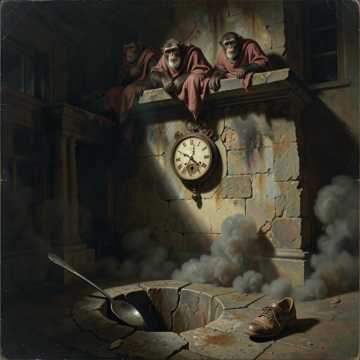
Zafon der Nasenaffen
Das Lied erzählt von Zafon, einem rätselhaften Außenseiter, der von Nasenaffen zum General und Herrscher erhoben wird. Zwischen Ruinen, schwarzer Asche und zerfallenden Kronen verwandelt sich sein Kampf gegen eine namenlose Macht in eine groteske Hymne über Freiheit, Identität und nächtlichen Aufbruch.
04:06
2026-09-13
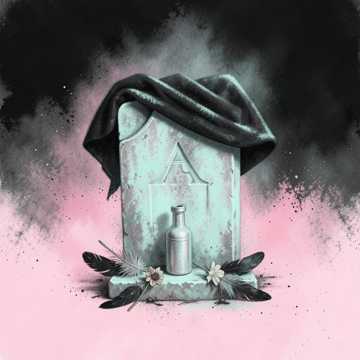
Kalle, der besoffene Geier
Der trunkene Geier Kalle träumt zwischen Grabsteinen von Macht und Freiheit. Seine makabre Kneipengeschichte schwankt zwischen schwarzem Humor und tiefer Einsamkeit, bis der Rausch vergeht und nur ein leerer Blick im kalten Laub zurückbleibt.
04:20
2026-09-12
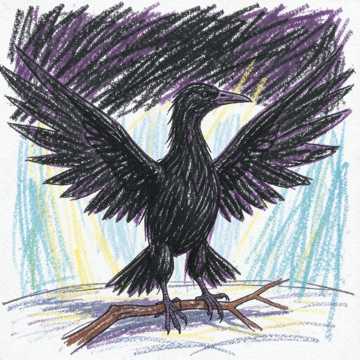
Franz-Josef, schwarzer Held
Das Lied zeichnet das düstere Porträt eines einsamen Straußes namens Franz-Josef. Zwischen Kirchenmauern, Nebel und Erdreich verkörpert er innere Leere, Sprachlosigkeit und eine erdrückende Last. Gothic-Rock, Darkwave, Orgel und tiefer Bariton verstärken die beklemmende Atmosphäre bis zum endgültigen Einschlafen.
04:48
2026-09-12
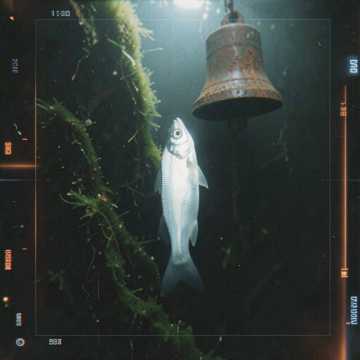
Halsi, Mondfisch
Ein geheimnisvoller Mondfisch folgt dem Ruf einer rostigen Glocke in die tiefste Dunkelheit. Zwischen Sturm, Schweigen und einem beobachtenden Kind wird Halsi zum Sinnbild für Verlust, unaufhaltsames Schicksal und ein blasses Licht, das selbst im Abgrund weiterträgt.
04:34
2026-09-12
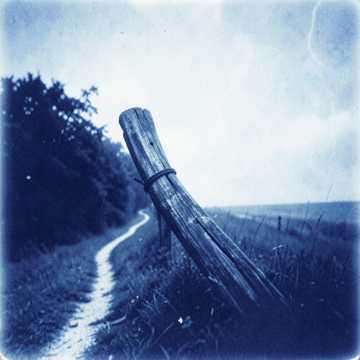
Heidi, schielendes Opossum
Das Lied erzählt von Heidi, einem schielenden Opossum, das die Welt aus einer eigenen Perspektive betrachtet. Zwischen Brombeerhag, Mondlicht und Umwegen wird ihre vermeintliche Orientierungslosigkeit zur besonderen Stärke. Gothic-Rock, dunkle Bilder und ein hymnischer Refrain feiern Individualität, Mut und die Freiheit, den eigenen Weg zu finden.
04:03
2026-09-12
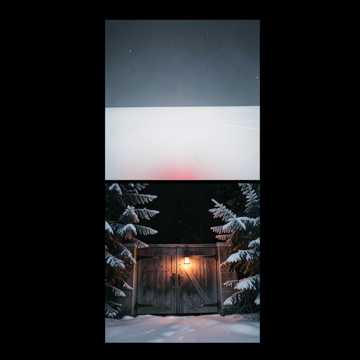
Rudis rotes Licht
Rudi folgt seinem roten Licht durch Frost, Sturm und Dunkelheit, um ein verlorenes Kind nach Hause zu bringen. Als sinnbildlicher Held steht er für Hoffnung, selbstlose Hilfe und den Mut, auch dann weiterzugehen, wenn alle anderen Lichter erlöschen.
04:44
2026-09-12
Schwarze Tränen
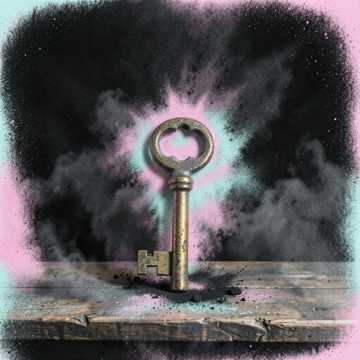
Ein verlassenes Ich beweint eine verlorene Beziehung, deren Spuren in leeren Zimmern, Erinnerungen und ungelösten Konflikten weiterleben. Die schwarzen Tränen stehen für tiefe Trauer, verwandeln sich im Finale jedoch in Regen: Ein vorsichtiger Abschied beginnt, obwohl das Herz noch zögert.
03:58
2026-09-12
Ich schreibe dein Leben
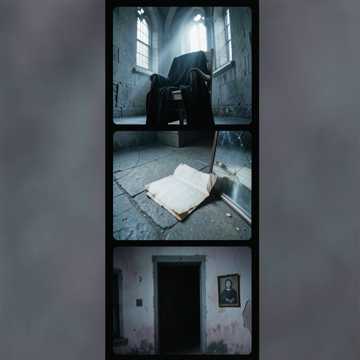
Ein namenloser Erzähler bewahrt die verdrängte Lebensgeschichte eines Menschen. Zwischen altem Haus, ungeöffnetem Brief und verblassten Erinnerungen führt der Song durch Trauer, ungelöste Schwüre und Selbstvergebung. Die Vergangenheit wird nicht als Urteil verstanden, sondern als Weg zu innerer Versöhnung und neuer Verbundenheit.
04:38
2026-09-12
Angst am Bett
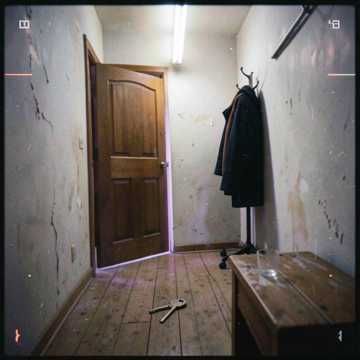
Das Lied schildert eine schlaflose Nacht, in der die Angst als körperlich anwesende Gestalt neben dem Bett erscheint. Zwischen Dissoziation, Erinnerungsfragmenten und beklemmender Nähe wächst schließlich Widerstand: Die Tür öffnet sich, die Angst wird beim Namen genannt, und ein vorsichtiger Aufbruch beginnt.
04:17
2026-09-12
Introduction to Gothic Rock: Definition and History
Gothic Rock, often referred to simply as Goth Rock, is a genre of rock music that emerged in the late 1970s and early 1980s. It is characterized by its dark, melancholic sound, often incorporating minor keys, somber lyrics, and a deep, atmospheric mood. The genre originated as a post-punk offshoot, with early pioneers such as Bauhaus, Siouxsie and the Banshees, and Joy Division laying the groundwork. Gothic Rock drew influence from the darker aspects of punk, adding elements of romanticism, horror, and existentialism, creating a sound that was both eerie and emotionally intense. The genre quickly gained a dedicated following, evolving into a cultural movement that influenced fashion, art, and literature, in addition to music.
Sub-tags and Classifications within Gothic Rock
Deathrock
Deathrock is a subgenre of Gothic Rock that emerged in the early 1980s in the United States, particularly in California. It combines the raw energy of punk rock with horror-themed lyrics, eerie soundscapes, and theatrical performances. Bands like Christian Death and 45 Grave are key figures in this subgenre, known for their macabre aesthetics and dark, aggressive sound.
Darkwave
Darkwave is a more electronic and atmospheric subgenre of Gothic Rock, incorporating elements of new wave and synth-pop. It emerged in the late 1980s and early 1990s, with bands like Clan of Xymox and Dead Can Dance leading the way. Darkwave is characterized by its use of synthesizers, deep vocals, and often melancholic or ethereal soundscapes.
Ethereal Wave
Ethereal Wave, sometimes simply referred to as Ethereal, is a subgenre of Gothic Rock that focuses on lush, atmospheric soundscapes and often features female vocals. It blends elements of Gothic Rock with dream pop and ambient music, creating a haunting, otherworldly sound. Bands like Cocteau Twins and Lycia are prominent within this subgenre.
Gothic Metal
Gothic Metal is a fusion of Gothic Rock and heavy metal that emerged in the early 1990s. It combines the dark, atmospheric elements of Gothic Rock with the powerful riffs and intensity of metal. Bands like Paradise Lost and Type O Negative are key contributors to this genre, known for their brooding lyrics and heavy, yet melodic sound.
Famous Artists and Works in Gothic Rock
Bauhaus
Bauhaus is often credited as one of the pioneering bands of Gothic Rock. Their 1979 single 'Bela Lugosi's Dead' is considered a seminal work in the genre, combining haunting vocals, minimalist instrumentation, and a dark, brooding atmosphere that set the tone for Gothic Rock's aesthetic.
Bela Lugosi's Dead - Bauhaus
This track is widely regarded as the anthem of Gothic Rock. Released in 1979, 'Bela Lugosi's Dead' features minimalist instrumentation, eerie vocals, and a haunting, slow-building atmosphere. The song's references to classic horror films and its pioneering sound helped to define the Gothic Rock genre.
Siouxsie and the Banshees
Siouxsie and the Banshees played a crucial role in the development of Gothic Rock, blending post-punk with dark, moody elements. Their album 'Juju' (1981) is a cornerstone of the genre, featuring tracks like 'Spellbound' and 'Arabian Knights' that showcase the band's signature blend of haunting melodies and edgy, atmospheric sound.
Temple of Love - The Sisters of Mercy
Originally released in 1983, 'Temple of Love' is one of The Sisters of Mercy's most iconic tracks. It combines a driving beat, deep vocals, and an anthemic chorus, embodying the dark, powerful energy of Gothic Rock. The 1992 re-release, featuring Israeli singer Ofra Haza, added an additional layer of ethereal beauty to the track.
The Sisters of Mercy
The Sisters of Mercy are one of the most influential bands in Gothic Rock, known for their deep, resonant vocals and dark, driving beats. Their albums 'First and Last and Always' (1985) and 'Floodland' (1987) are considered classics, with tracks like 'Lucretia My Reflection' and 'This Corrosion' exemplifying the band's iconic sound.
Spellbound - Siouxsie and the Banshees
'Spellbound' is a standout track from Siouxsie and the Banshees' 1981 album 'Juju.' The song showcases the band's ability to blend post-punk intensity with Gothic atmospheres, featuring swirling guitars, driving percussion, and Siouxsie's distinctive vocals. The track is a quintessential example of Gothic Rock's ability to be both dark and danceable.
The Cure
The Cure, while often associated with alternative rock, has made significant contributions to Gothic Rock, particularly with their early albums 'Seventeen Seconds' (1980) and 'Faith' (1981). These works are characterized by their introspective lyrics, melancholic melodies, and the band's exploration of darker themes.
A Forest - The Cure
'A Forest,' from The Cure's 1980 album 'Seventeen Seconds,' is a quintessential Gothic Rock track. Its haunting bassline, ethereal synths, and Robert Smith's enigmatic lyrics create a sense of eerie desolation. The song's minimalist, atmospheric approach has made it a lasting influence in the genre.
Application Scenarios for Gothic Rock Music
Gothic Rock's dark, atmospheric sound makes it a perfect fit for movie soundtracks, especially in horror and thriller genres. Tracks like Bauhaus's 'Bela Lugosi's Dead' have been used in films such as 'The Hunger' (1983), adding a layer of eerie tension to the visual experience.
Movie Soundtracks
Gothic Rock's haunting melodies and intense rhythms are ideal for creating immersive atmospheres in video games, particularly in genres like survival horror and dark fantasy. For example, The Sisters of Mercy's music has been featured in various video games, enhancing the overall mood and tension of the gameplay.
Video Game Background Music
The dramatic and moody tones of Gothic Rock music are often used in fashion shows to set a dark, edgy ambiance. Designers who embrace gothic or avant-garde aesthetics frequently use tracks from bands like Siouxsie and the Banshees or The Cure to complement their runway presentations.
Fashion Shows
Gothic Rock remains a staple in alternative and goth subculture nightclubs. Songs from bands like The Sisters of Mercy and Siouxsie and the Banshees are frequently played, providing a dark, danceable soundtrack that resonates with the goth community.
Nightclubs and Alternative Parties