Free Haunting Mood Music Generator Powered by AI
Turn text into high-quality Haunting Mood music effortlessly – no login required!

music.toolTips
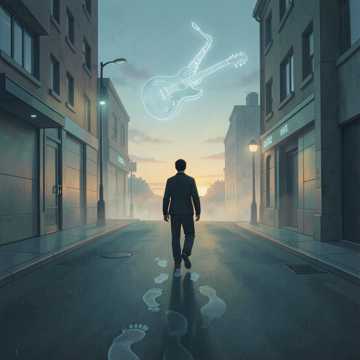
Footprints in Time
A haunting ghost-blues song about a woman chasing fading memories and identities through time. With fragile vocals, slide guitar, and distant sax, it paints a weightless emotional journey where footprints of the past disappear before they can be held.
04:20
1 days ago
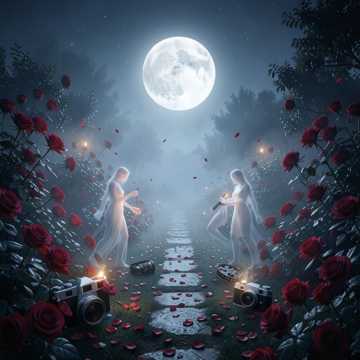
DDTV MYTHOS FILES — "THE GHOSTS IN KARLOFF'S ROSE GARDEN"
An ethereal cinematic ballad about a haunted Hollywood rose garden tended by a horror legend, where memories of departed friends manifest as gentle spirits among blooming roses. Blending gothic mystery, orchestral swells, and ghostly narration, it explores eternal remembrance and love beyond death.
07:09
5 days ago
Haunting Mood Music: Definition and Historical Development of the haunting mood Tag
Haunting mood refers to a musical atmosphere characterized by eerie, emotional, atmospheric, and lingering sonic qualities that evoke feelings of melancholy, nostalgia, mystery, or subtle unease. The haunting mood tag is widely used to describe music that stays with the listener long after it ends, often through minimalistic composition, reverb-heavy textures, minor keys, slow harmonic progression, and ethereal sound design. Historically, the roots of haunting mood music can be traced back to early classical compositions that explored minor tonalities and expressive dissonance, such as Romantic-era works emphasizing emotional depth and tension. In the 20th century, film scoring significantly shaped the modern interpretation of haunting mood, especially through horror and psychological thriller soundtracks. With the rise of electronic music and ambient genres in the late 20th century, artists began to intentionally craft soundscapes focused on atmosphere rather than melody alone. In contemporary usage, the haunting mood tag spans multiple genres including ambient, cinematic, neoclassical, experimental electronic, and dark ambient music, becoming a coreHaunting Mood Music descriptor in film scoring, game audio design, and streaming platform metadata.
Sub-tags and Classifications of haunting mood Music Tag
Dark Ambient Haunting Mood
This sub-tag focuses on deep atmospheric soundscapes, minimal rhythmic structure, and heavy use of drones, reverb, and low-frequency textures. It is often used to create a sense of isolation, dread, or cosmic emptiness within the haunting mood category.
Cinematic Haunting Mood
Cinematic haunting mood music is designed for visual storytelling, featuring orchestral arrangements, emotional crescendos, and dramatic tension. It is commonly used in film trailers, emotional scenes, and psychological narratives.
Ethereal Vocal Haunting Mood
This classification emphasizes airy, ghost-like vocal performances, often layered with ambient pads and minimal instrumentation. It creates a spiritual, otherworldly feeling within the haunting mood spectrum.
Neoclassical Haunting Mood
Neoclassical haunting mood blends piano, strings, and modern minimalist composition techniques. It often conveys sadness, nostalgia, and emotional fragility while maintaining a refined classical structure.
Horror Soundtrack Haunting Mood
This sub-tag is directly associated with horror films and games, using dissonant tones, sudden dynamic shifts, atonal elements, and suspense-driven pacing to evoke fear and tension within the haunting mood aesthetic.
Ambient Electronic Haunting Mood
A modern electronic interpretation of haunting mood, featuring synthesized textures, slow evolving pads, and glitch-like elements that create an immersive and introspective atmosphere.
Famous Artists and Works in haunting mood Music Tag
Hans Zimmer
Known for shaping modern cinematic sound design, Hans Zimmer has contributed heavily to the haunting mood aesthetic through emotionally intense and atmospheric scores such as 'Interstellar' and 'Inception', blending orchestral and electronic elements.
Lux Aeterna - Requiem for a Dream
Composed by Clint Mansell, this piece is one of the most iconic examples of haunting mood music. It features a repetitive string motif that gradually intensifies, creating an overwhelming sense of psychological tension and emotional collapse.
Max Richter
A leading figure in neoclassical music, Max Richter is known for deeply emotional and minimalist compositions. His works often embody the haunting mood tag, especially through pieces like 'On the Nature of Daylight'.
On the Nature of Daylight
Max Richter’s composition is a minimalist masterpiece that embodies sorrow and reflection. Its slow string progression and emotional restraint make it a defining example of the haunting mood aesthetic.
Jóhann Jóhannsson
His minimalist and emotionally powerful soundtracks, such as for 'Arrival', are iconic in defining modern cinematic haunting mood through subtle orchestration and ambient tension.
Cornfield Chase - Interstellar
Hans Zimmer blends organ-like synth textures with orchestral pacing to create a vast, emotional, and slightly unsettling atmosphere that reflects the cosmic scale of the film.
Lisa Gerrard
As part of Dead Can Dance and through solo work, Lisa Gerrard has contributed ethereal vocal styles that are central to the haunting mood aesthetic, especially in film scores like 'Gladiator'.
The Host of Seraphim
Performed by Dead Can Dance featuring Lisa Gerrard, this work uses powerful vocal expression and minimal instrumentation to create an intense spiritual and haunting emotional experience.
Clint Mansell
Known for emotionally intense and repetitive motifs, Clint Mansell’s compositions such as 'Requiem for a Dream' define psychological haunting mood in modern cinema.
Arrival Soundtrack Main Theme
Jóhann Jóhannsson’s composition uses subtle orchestral layering and ambient sound design to build a deeply emotional and introspective haunting mood aligned with themes of communication and time.
Enya
Enya’s layered vocals and atmospheric production helped popularize ethereal and soothing interpretations of haunting mood music in mainstream culture.
Application Scenarios of haunting mood Music Tag
Haunting mood music is widely used in films, especially in psychological dramas, horror movies, and science fiction. It enhances emotional depth, builds suspense, and strengthens narrative immersion.
Film Soundtracks
In video games, haunting mood soundtracks are used to create immersive environments in horror, exploration, and story-driven games, helping to heighten tension and emotional engagement.
Video Game Background Music
Haunting mood music is frequently used in cinematic trailers and high-impact advertising campaigns to evoke curiosity, emotional resonance, and dramatic anticipation.
Advertising and Trailers
Certain ambient forms of haunting mood music are used for introspection, meditation, and emotional processing, especially in minimalist and slow-tempo compositions.
Meditation and Emotional Reflection
Haunting mood soundscapes are often integrated into contemporary art installations to enhance atmosphere, deepen emotional response, and create immersive sensory experiences.
Art Installations and Exhibitions