Free Japanese mythology Music Generator Powered by AI
Turn text into high-quality Japanese mythology music effortlessly – no login required!

music.toolTips
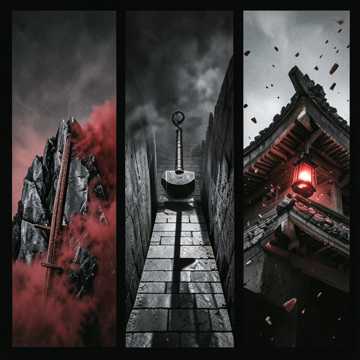
Guerra definitiva 3
Un guerrero atraviesa grietas, templos y batallas contra demonios y rivales legendarios hasta alcanzar a Yoshitsune. Con rap intenso, guitarras oscuras, orquesta dramática y una voz grave, la canción convierte una campaña samurái en una epopeya de acero, sacrificio y victoria absoluta.
05:36
5 days ago
Introduction to Japanese Mythology: Definition and History
Japanese Mythology is a rich and ancient collection of traditional stories, legends, and beliefs that form the foundation of Japan's cultural and religious history. Rooted in Shinto and Buddhist traditions, these myths often depict the creation of the world, the deeds of gods and spirits, and the tales of heroic figures. The origins of Japanese mythology date back to the 8th century with the compilation of the Kojiki and Nihon Shoki, which are Japan's oldest historical records. Over centuries, these myths have evolved and influenced various aspects of Japanese culture, including art, literature, and music.
Sub-tags and Classifications within Japanese Mythology
Kami (Deities)
In Japanese mythology, Kami are the gods, spirits, and supernatural beings that inhabit all things. They range from major deities like Amaterasu, the sun goddess, to lesser-known spirits that reside in natural elements. Kami are central to Shinto practices, and their stories are often depicted in music, especially in traditional compositions and modern interpretations.
Yokai (Spirits and Demons)
Yokai are a diverse group of supernatural creatures and spirits in Japanese folklore. These beings can be malevolent, mischievous, or benign, and they often appear in folk tales, art, and music. The mysterious and eerie nature of Yokai has inspired numerous musical works, from haunting melodies to energetic compositions.
Creation Myths
Creation myths in Japanese mythology describe the origins of the world and the birth of the gods. The most famous creation myth involves Izanagi and Izanami, the divine couple who gave birth to the islands of Japan and numerous deities. These foundational stories have been a source of inspiration for many traditional and contemporary Japanese music pieces.
Heroic Legends
Heroic legends in Japanese mythology often revolve around legendary figures like Susanoo, Yamato Takeru, and Momotaro. These stories of bravery, adventure, and the triumph of good over evil are frequently depicted in music, providing a narrative richness that resonates with listeners.
Famous Artists and Iconic Works in Japanese Mythology Music
Ryuichi Sakamoto
Ryuichi Sakamoto is a renowned Japanese composer and musician known for incorporating elements of Japanese mythology into his works. His compositions often blend traditional Japanese sounds with contemporary music, creating an evocative atmosphere that reflects the mysticism of Japanese myths. Notable works include his soundtrack for the movie 'The Last Emperor,' which, while not directly related to Japanese mythology, draws on similar thematic elements.
Princess Mononoke Soundtrack
Composed by Joe Hisaishi, the soundtrack for 'Princess Mononoke' is a masterful blend of orchestral music and traditional Japanese sounds. The music captures the epic scale of the film's story, which is deeply rooted in Shinto beliefs and the reverence for nature. The soundtrack's use of taiko drums, flutes, and strings evokes the ancient world of Japanese mythology, making it a classic example of how music can bring mythological themes to life.
Joe Hisaishi
Joe Hisaishi, best known for his work with Studio Ghibli, has composed numerous scores that reflect the influence of Japanese mythology. His music for films like 'Princess Mononoke' and 'Spirited Away' deeply resonates with themes of nature, spirits, and ancient myths, bringing these stories to life through his evocative compositions.
Akira Soundtrack
The 'Akira' soundtrack, composed by Shoji Yamashiro and performed by Geinoh Yamashirogumi, is a groundbreaking work that incorporates traditional Japanese musical elements with modern, experimental sounds. The soundtrack reflects the apocalyptic themes of the film while drawing on mythological imagery, particularly the concept of cyclical destruction and rebirth, which is prevalent in Japanese creation myths.
Yoko Kanno
Yoko Kanno is a versatile composer whose work spans various genres, including anime soundtracks that often incorporate mythological themes. Her music for 'Earth Girl Arjuna' and 'Ghost in the Shell: Stand Alone Complex' showcases her ability to blend traditional Japanese instruments and motifs with modern sounds, creating a unique fusion that reflects the timeless nature of Japanese mythology.
Application Scenarios for Japanese Mythology Music
Japanese mythology music is often used in film soundtracks to enhance the atmosphere and narrative of stories rooted in ancient Japanese traditions. Films like 'Princess Mononoke' and 'Spirited Away' use mythologically inspired music to deepen the audience's connection to the themes of nature, spirits, and the divine.
Film Soundtracks
Video games, particularly those set in historical or fantasy versions of Japan, frequently use Japanese mythology music to create an immersive experience. Games like 'Okami' and 'Nioh' utilize traditional Japanese instruments and mythological motifs to transport players to a world where ancient gods and spirits are part of the landscape.
Video Games
Japanese mythology music is also employed in advertising to evoke a sense of tradition, mysticism, and cultural depth. Brands looking to associate themselves with these qualities often use music that incorporates traditional Japanese instruments and mythological themes to create a strong, resonant identity.
Advertising Campaigns