Free Orchestral Music Generator Powered by AI
Turn text into high-quality Orchestral music effortlessly – no login required!

music.toolTips
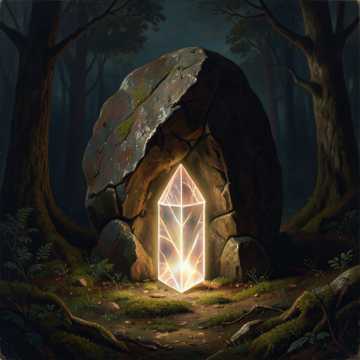
I Buried a Rainbow Beneath the Stone
'I Buried a Rainbow Beneath the Stone' is a cinematic, mythic creation ballad told from the perspective of a creator god. Blending rich baritone vocals, Celtic harp, and grand orchestral choir, it celebrates the magic of creation, moral stewardship, and the beauty of human discovery.
06:28
5 days ago
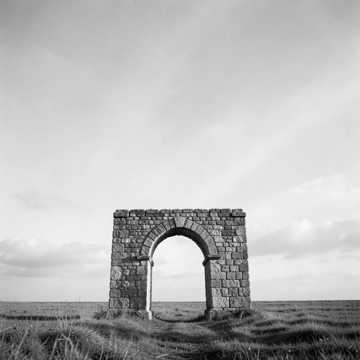
Skyward Cleansing
A luminous instrumental passage from quiet piano and low strings into a vast orchestral ascent. Its slow6/8 pulse, trembling harp, rising winds, brass blooms, wordless choir, bell chimes, and deep sub drops create a sense of emotional release, spiritual renewal, and upward transformation.
04:04
Invalid date

Blue Line Charge
'Blue Line Charge' is an explosive cinematic action rock anthem driven by a brisk heroic march pulse, heavy military snares, and thunderous low brass. Tense low strings build into an explosive burst of electric guitar riffs and full orchestral fury, embodying ultimate valor and high-octane confrontation.
03:20
5 days ago

Who You Are Inside
This reflective anthem argues that identity is defined not by appearance, nationality, speech, or status, but by compassion, honesty, generosity, and private choices. Its restrained beginning grows into a dignified cinematic climax, encouraging listeners to measure character through the goodness they practice when no one is watching.
03:00
5 days ago
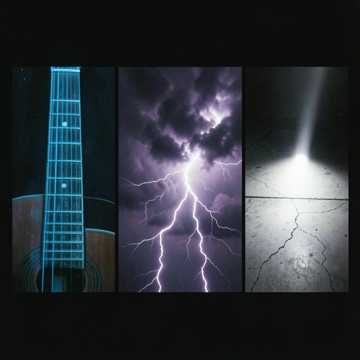
Tomorrow
Tomorrow captures the tension between hope and exhaustion. Its narrator searches for emotional space while confronting uncertainty, spiritual distance, and the fear that change may hurt. Catchy guitar hooks, energetic male vocals, acoustic textures, and orchestral intensity turn this inner conflict into an anthemic struggle toward renewal.
03:01
5 days ago

Tomorrow
Tomorrow captures the tension between hope and pain through an urgent pop-rock performance. Acoustic guitar, catchy riffs, energetic male vocals, and orchestral intensity support lyrics about uncertainty, spiritual doubt, emotional distance, and the persistent desire to find freedom and believe in a better future.
02:58
5 days ago

3
این سرود با گفتوگوی احساسی دختر و پسری کودک، از سوگ رهبر شهید، دلتنگی خانوادهها و پناهجویی از امام رضا میگوید. فضای مرثیهوار اثر بهتدریج به حماسهای ایمانی درباره امید، وفاداری، ایستادگی و آیندهای روشن تبدیل میشود.
04:35
5 days ago
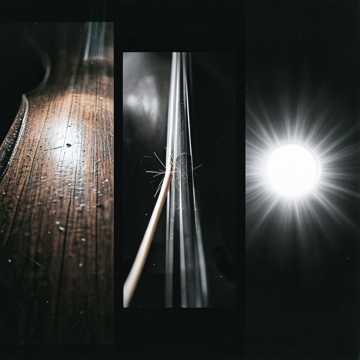
Walnut Aria
An intimate yet grand instrumental aria centered on solo cello. Exposed lines unfold through rubato phrases, swelling tremolo, pizzicato replies, and cinematic ensemble surges, creating a journey from inward vulnerability to luminous, full-bodied release.
03:29
5 days ago

Who You Are (((VERY BEST)))
A dignified, unifying anthem affirming that identity is deeper than appearance, voice, nationality, or actions. The song moves from intimate reflection to a powerful communal chorus, celebrating compassion, shared human worth, and the invisible character that shapes our choices.
03:00
5 days ago
1
این قطعه مرثیهای مذهبی و حماسی است که سوگ فقدان یک رهبر شهید را با پناهجویی عاشقانه در بارگاه امام رضا پیوند میدهد. گفتوگوی آوایی دختر و پسر، از اندوه آغاز میشود و به امید، ایمان و پایداری جمعی میرسد.
04:17
5 days ago

Carry Me, Heart
A mezzo-soprano returns to an old house and discovers love preserved in ordinary objects, rain, and memory. Guided by a singing cello and expansive orchestra, the song moves from grief and distance toward quiet acceptance, renewed connection, and the courage to let the heart carry hope forward.
05:28
5 days ago

Grand Ascent
A sweeping instrumental journey from quiet anticipation to triumphant ascent. Restrained strings and flutes establish spacious beauty before brass, layered orchestration, timpani, and wordless choir build toward a majestic sustained cadence, evoking courage, achievement, discovery, and the breathtaking realization of a long-awaited dream.
03:23
5 days ago

16
این سرود مذهبی، سوگ فقدان رهبر شهید را با دلتنگی برای پناه معنوی امام رضا علیهالسلام درهم میآمیزد. گفتوگوی احساسی دختر و پسر از اندوه آغاز میشود، به همدلی و توسل میرسد و در پایان با امید، ایستادگی و دعای جمعی اوج میگیرد.
04:23
5 days ago
Japanese Menuju Ujung Angkasa
銀河の彼方へ旅立つ主人公が、孤独や暗闇を越え、自らの夢と未来を信じて進む物語。繊細な宇宙的旋律から壮大な高音のサビへ展開し、希望と決意を鮮烈に描きます。
04:10
5 days ago

Midnight Coaster Loop
A tense, cinematic instrumental built for continuous motion. Spooky string figures and haunted organ textures lead into forceful brass and half-time percussion, creating a polished Halloween atmosphere that rises, hits hard, and loops back into the shadows.
03:06
5 days ago
Triumphal Call
A stately orchestral fanfare that rises from a sparse opening into a commanding celebration of victory. Bold trumpets lead ascending calls, answered by horns and trombones, while strings, timpani, and cymbals build toward a majestic final chord filled with authority and grandeur.
02:44
5 days ago

23
Пісня є щирим музичним присвяченням матері, яка дарує любов, віру, терпіння та життєву мудрість. Ніжні куплети переходять у потужний приспів із побажаннями здоров’я, радості й довголіття, а поєднання українських інструментів і сучасного поп-звучання підсилює її емоційність.
04:47
Invalid date
Trimultiverse
An instrumental-minded rap fusion that combines geek-inspired energy, heavy rock and metal textures, epic orchestral passages, and echoes of classic music. Trimultiverse suggests a vast journey across multiple realities, shifting between rhythmic precision, cinematic drama, and explosive power.
03:28
Invalid date
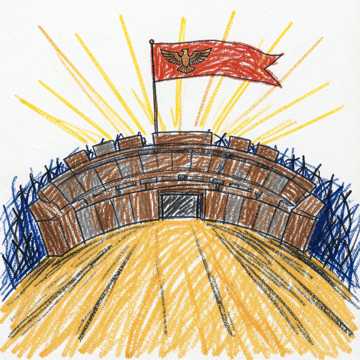
Je salue César
Dans l’arène romaine, un homme avance sans plier face à César, à la foule et au destin. La fanfare, les tambours lents et les cordes profondes accompagnent son affirmation de dignité, de courage et de fidélité à sa propre voie.
03:20
5 days ago

तेरी चिट्ठी
यह गीत स्मृतियों में जीवित एक बिछड़े प्रेम की अंतरंग कहानी है। चिट्ठी, नीली रिबन, स्टेशन और गुलमोहर के बिंब प्रतीक्षा को सजीव बनाते हैं, जबकि मुखड़ा प्रियतम को लौट आने की सरल, मार्मिक विनती बनता है।
03:14
Invalid date
Introduction to Orchestral: Definition and History
Orchestral music refers to compositions specifically created for an orchestra, a large ensemble of musicians divided into sections based on the type of instrument: strings, woodwinds, brass, and percussion. The origins of orchestral music trace back to the early Baroque period in the 17th century, where the modern orchestra began to take shape with the works of composers like Claudio Monteverdi. Over time, orchestral music evolved significantly, with the Classical period, led by figures like Wolfgang Amadeus Mozart and Ludwig van Beethoven, establishing the structure and form commonly associated with orchestral works today. The Romantic era further expanded the size of the orchestra and introduced more complex and expressive compositions. Orchestral music continues to be a cornerstone of classical music and has found its place in modern media, including film, television, and video games.
Sub-tags and Classifications within Orchestral Music
Symphonic
Symphonic music is a major sub-tag of orchestral music, characterized by large-scale works typically divided into multiple movements. Symphonies are a staple of the orchestral repertoire, often composed to explore a wide range of emotions and themes. Famous symphonic works include Beethoven's Symphony No. 9 and Tchaikovsky's Symphony No. 6.
Chamber Orchestra
Chamber orchestra refers to a smaller ensemble of musicians, often performing more intimate compositions. This sub-tag includes works that are composed for smaller spaces and typically involve fewer instruments. Examples include Mozart's Eine kleine Nachtmusik and Barber's Adagio for Strings.
Concertos
Concertos are orchestral works that feature a solo instrument or a group of solo instruments contrasted with the full orchestra. This sub-tag highlights the virtuosic interplay between the soloist(s) and the ensemble. Iconic concertos include Vivaldi's The Four Seasons and Rachmaninoff's Piano Concerto No. 2.
Ballet and Opera Orchestras
This classification involves orchestral music composed specifically for ballet and opera performances. The orchestra plays a critical role in setting the mood, supporting vocal performances, and enhancing the narrative. Examples include Tchaikovsky's The Nutcracker Suite and Wagner's The Ring Cycle.
Film Scores
Film scores represent a modern application of orchestral music, where composers create soundtracks to enhance the emotional and narrative elements of movies. Iconic film scores include John Williams' music for Star Wars and Hans Zimmer's score for Inception.
Famous Artists and Iconic Works in Orchestral Music
Ludwig van Beethoven
Beethoven is one of the most influential figures in orchestral music, known for his innovative approach to symphonic form and emotional depth. His Symphony No. 9, featuring the 'Ode to Joy,' is a landmark in orchestral composition, blending voices with the orchestra in a powerful expression of human unity and triumph.
Beethoven's Symphony No. 5
Symphony No. 5 is one of the most recognized and frequently performed orchestral works in the world. Its famous four-note motif is known worldwide, and the symphony as a whole is celebrated for its dynamic contrasts, innovative use of form, and powerful emotional impact.
Igor Stravinsky
Stravinsky revolutionized orchestral music with his bold use of rhythm, harmony, and structure. His work The Rite of Spring is a seminal piece that broke new ground in orchestration and is famous for its complexity and the riot it caused at its premiere in 1913.
Tchaikovsky's Swan Lake
Swan Lake is a ballet score that has become a staple of the orchestral repertoire. Tchaikovsky's music is renowned for its expressive melodies, rich orchestration, and ability to convey the drama and romance of the ballet. The suite derived from this score is frequently performed in concert settings.
John Williams
John Williams is a modern master of orchestral music, best known for his work in film scores. His compositions for movies such as Star Wars, Jurassic Park, and Harry Potter have become iconic, showcasing his ability to create memorable themes and evoke powerful emotions through orchestration.
Stravinsky's The Firebird
The Firebird is one of Stravinsky's early masterpieces, blending Russian folk music with innovative orchestration. This orchestral work, originally composed for the ballet, is notable for its vivid depiction of the story through music and its use of color and texture to create a magical atmosphere.
Application Scenarios for Orchestral Music
Orchestral music is widely used in film soundtracks to enhance the emotional depth and narrative of movies. Composers like John Williams and Hans Zimmer have used orchestral scores to create iconic soundtracks that are integral to the films' identities, such as the Star Wars series and Inception.
Film Soundtracks
In the gaming industry, orchestral music is employed to create immersive and dynamic soundscapes. Games like The Legend of Zelda and Final Fantasy series have memorable orchestral scores that play a key role in enhancing the player's experience.
Video Game Music
Orchestral music is a staple of live performances in concert halls around the world. Symphonies, concertos, and other orchestral works are performed by professional ensembles to large audiences, showcasing the art of live orchestration and interpretation.
Live Performances
Orchestral music is also used in advertising to evoke a sense of grandeur, elegance, or emotional impact. Companies often use orchestral compositions to make their ads more memorable and impactful, helping to associate their brands with these positive attributes.
Advertising