Free Pompous Music Generator Powered by AI
Turn text into high-quality Pompous music effortlessly – no login required!

music.toolTips
test
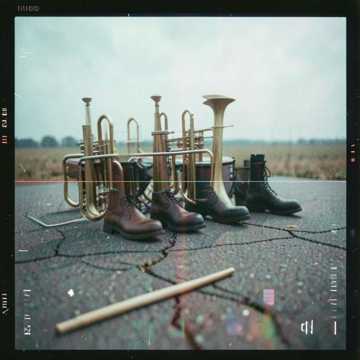
With no lyrics provided, this piece is understood as a marching-band instrumental. Its character centers on steady cadence, ceremonial brightness, collective energy, and purposeful movement, making it suitable for parades, celebrations, competitions, and scenes of resolve.
02:13
Invalid date

Sonntag 4
Ein leeres Schild kündigt Harolds Aufstieg vom Vorstandsmitglied zum Prodekan und Professor an. Die satirische Hörspiel-Erzählung untersucht, wie Ämter Sprache, Selbstbild und Verantwortung verändern, während Trompeten, juristische Förmlichkeit und akademischer Größenwahn auf den späteren Streit um Bedeutung und Wirklichkeit vorausweisen.
03:29
2026-09-28
Sonntag 1
Ein theatralisches Hörspiel eröffnet Harolds satirische Reise durch Paragraphen, Begriffe und juristische Mythen. Zwischen Trompeten-Tuschs, geheimnisvollen Pausen und akademischer Überheblichkeit kündigt sich eine Welt an, in der aus Fragen bald scheinbare Gewissheiten werden.
03:25
2026-09-28
Sonntag 2
Ein geheimnisvoller Paragraph eröffnet Harolds Reise in die Welt des Rechts. Mit pompöser Sprache, trockenen Pointen und kurzen Trompetensignalen zeigt das Hörspiel, warum juristische Begriffe, Quellen und Fußnoten nicht nur wichtig klingen, sondern sorgfältig verstanden werden müssen.
03:49
2026-09-28

Sonntag 2
Ein kleiner Paragraph eröffnet Harolds Reise in die Welt des juristischen Scheins. Zwischen Fußnoten, großen Formulierungen und trockener Satire zeigt das Hörspiel, dass Recht mehr verlangt als Symbole, Nummern und pompöse Behauptungen.
03:48
2026-09-28
Sonntag 1 - Noch acht Wochen: Die Tür
Eine geheimnisvolle Tür kündigt Harolds Reise durch die Akademie der Ahnungslosen an. Zwischen Recht, Büchern, Titeln und scheinbaren Gewissheiten verbindet die satirische Hörbuch-Vorschau trockenen Humor mit akademischer Theatralik und steigender Vorfreude auf kommende Enthüllungen.
04:09
2026-09-28
Kapitel 2 Teil 4
Harold träumt von schwebenden Rechtsbegriffen und erklärt sich nach einer nächtlichen Begegnung mit dem Völkerrecht zum verständnisvollen Juristen. Die pompöse Inszenierung und die wiederkehrende Formel 'formal juristisch' steigern den trockenen Humor bis zur charmant absurden Selbstüberschätzung.
02:01
2026-09-28
Kapitel 1 Teil 2
Harold entdeckt seine Begeisterung für juristische Begriffe und träumt erstmals von einer akademischen Zukunft. Zwischen trockener Erzählung, übertriebener Trompetenpracht und feiner Selbstironie entsteht der komische Ursprung einer Figur, die später ganz offiziell formal juristisch werden soll.
03:41
2026-09-28
Introduction to Pompous Music Tag
Pompous music refers to a genre or style characterized by grandiose, extravagant, and often ostentatious soundscapes. It typically features dramatic compositions, rich orchestration, and a sense of grandeur that can border on the theatrical. Historically, Pompous music can be traced back to the Baroque period, where composers like Johann Sebastian Bach and George Frideric Handel crafted elaborate pieces that laid the foundation for this style. Over time, the genre has evolved, incorporating elements from classical, romantic, and even modern cinematic scores, creating a unique blend of traditional and contemporary influences.
Sub-tags and Classifications of Pompous Music
Orchestral Pomp
Orchestral Pomp refers to compositions that heavily rely on full orchestral arrangements. This sub-tag includes music that is often used in ceremonial settings, royal events, or any scenario that demands a majestic and impressive sound. The grandeur of the orchestra is central to this sub-tag, emphasizing sweeping strings, powerful brass sections, and complex harmonies.
Cinematic Pomp
Cinematic Pomp is a classification that has become increasingly popular in film and television scores. This sub-tag includes compositions that are designed to evoke strong emotional responses, often accompanying scenes of triumph, revelation, or epic battles. These pieces are known for their dynamic build-ups, intense crescendos, and the use of modern digital enhancements alongside traditional orchestral instruments.
Operatic Pomp
Operatic Pomp includes music that is rooted in the operatic tradition, characterized by dramatic vocals and expansive orchestration. This sub-tag often features soaring arias, powerful choruses, and intricate musical arrangements that highlight the grandeur of the operatic form. It's typically used in productions that aim to captivate audiences with both visual and auditory spectacle.
Famous Artists and Works in Pompous Music
Richard Wagner
Richard Wagner is one of the most influential composers in the realm of Pompous music, particularly known for his operas. His 'Ring Cycle' is a monumental work that exemplifies the grandeur and dramatic intensity characteristic of Pompous music. Wagner's use of leitmotifs and his innovative orchestration techniques have left a lasting impact on the genre.
Also sprach Zarathustra by Richard Strauss
This iconic piece, famously used in the opening of Stanley Kubrick's '2001: A Space Odyssey,' is a prime example of Pompous music. The bold, ascending fanfare in the introduction symbolizes the dawn of a new era and captures the essence of grandiosity that defines the genre. The use of dynamic contrasts and orchestral depth makes this work a timeless masterpiece.
John Williams
John Williams, a modern-day composer, has brought the essence of Pompous music into contemporary cinema. His scores for films like 'Star Wars' and 'Indiana Jones' are iconic examples of Cinematic Pomp. Williams' ability to craft memorable, powerful themes that enhance the storytelling has solidified his place as a master of the genre.
Ride of the Valkyries by Richard Wagner
As one of Wagner's most famous compositions, 'Ride of the Valkyries' is often associated with heroism and power. Its driving rhythm, forceful brass section, and stirring melodies are quintessentially Pompous, making it a popular choice in films, commercials, and other media looking to evoke a sense of epic scale.
Gustav Mahler
Gustav Mahler, a composer of the late Romantic period, is known for his symphonies that often push the boundaries of orchestration and emotional expression. His works, such as 'Symphony No. 8,' also known as the 'Symphony of a Thousand,' are quintessential examples of Orchestral Pomp, featuring massive ensembles and an overwhelming sense of grandeur.
Imperial March by John Williams
The 'Imperial March' from the 'Star Wars' franchise is one of the most recognizable examples of Pompous music in modern cinema. Its menacing, militaristic rhythm, combined with the commanding brass motifs, perfectly encapsulates the might and authority of the Galactic Empire, demonstrating the power of Pompous music in storytelling.
Application Scenarios for Pompous Music
Pompous music is frequently used in movie soundtracks, particularly in scenes that require a sense of grandeur or emotional impact. For instance, the use of Pompous orchestral pieces in epic battle scenes, character introductions, or climactic moments helps to elevate the visual experience and leaves a lasting impression on the audience.
Movie Soundtracks
In advertising, Pompous music is often used to convey prestige, luxury, or authority. Brands aiming to position themselves as high-end or powerful might use Pompous music in their commercials to enhance their message. The grandiose soundscapes help create an association with quality and sophistication.
Advertising Music
Video game developers use Pompous music to enhance the immersive experience, particularly in genres like fantasy, action, or strategy games. Pompous scores can underscore key moments in gameplay, such as boss battles, major victories, or dramatic cutscenes, helping to heighten the player's emotional engagement.
Game Background Music