Free Post-punk Music Generator Powered by AI
Turn text into high-quality Post-punk music effortlessly – no login required!

music.toolTips

Усатый
Трагикомичная история Алёши-Усатого, грузчика из общаги, для которого работа, пиво и пятничные застолья становятся суровым ритуалом. Грязный панк-рок, хриплый баритон, пьяные хоры и баян превращают бытовой портрет в шумный гимн товариществу, усталости и дворовой стойкости.
04:11
2026-09-26
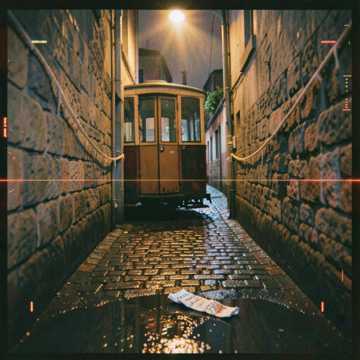
Două limbi, un nod în gât
Piesa urmărește întâlnirea dintre două identități migrante, unite prin memorie, nume și tăcere. Bucureștiul și Araratul devin repere afective într-un cântec despre rădăcini, solidaritate și curajul de a păstra limba atunci când casa rămâne doar o amintire.
03:03
2026-09-26
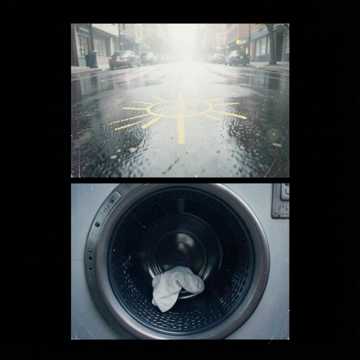
The World Just Keeps Turning
A grieving narrator watches ordinary life continue after someone’s departure. Through repetitive routines, fading memories, and indifferent streets, the song portrays heartbreak as a world that refuses to pause, ending in bleak acceptance: everything keeps turning, and the narrator remains.
04:59
2026-09-23
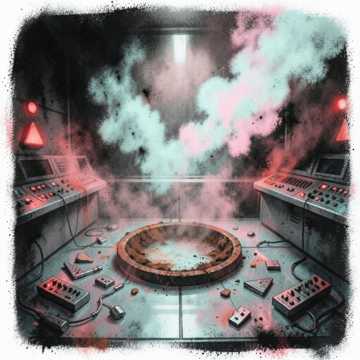
Armagedon, über uns
Ein Paar klammert sich während des globalen Untergangs aneinander. Zwischen Asche, Sirenen und zerstörter Zivilisation wird ihre Nähe zum letzten Zeichen von Menschlichkeit, Hoffnung und Widerstand gegen das endgültige Schweigen.
06:53
2026-09-23
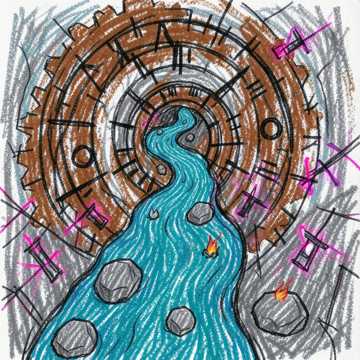
The World Just Keeps Turning
A bleak, hypnotic darkwave meditation on life trapped in perpetual motion. Against an industrial cityscape of traffic, neon, rust, and rain, the song captures emotional exhaustion, unfinished dreams, and the indifferent momentum of time through a relentless groove and mournful vocals.
03:56
2026-09-23
Armagedon, Open Wide
A couple faces the final collapse of civilization inside an ordinary home. Through ash, failing power, and vanishing monuments, the song transforms apocalypse into an intimate meditation on love, fear, guilt, political power, and the fragile possibility of beginning again.
05:03
2026-09-23
Zehn Stimmen im schwarzen
Das Lied verwandelt die zehn Gebote in eine düstere Prüfung zwischen Gehorsam und Selbstbestimmung. Aus religiösen Verboten entsteht eine zeitlose Ethik: Nicht Furcht, sondern Mitgefühl, Erinnerung und gegenseitige Verantwortung sollen bleiben, wenn alte Autoritäten und Altäre zerfallen.
06:00
2026-09-23

Ten Laws in the Dark
A bleak, nocturnal anthem about laws that bind the body and silence dissent. Set against cold analog synths, pounding electronic rhythms, and chorus-soaked guitar, the song moves from oppressive obedience toward stark liberation as its sacred rules dissolve into dust and ash.
04:09
2026-09-23
Your Coat Is Still There
A deserted home becomes a map of grief as the narrator clings to a forgotten coat, fading sounds, and unfinished memories. Dark shoegaze textures, motorik rhythm, and restrained baritone vocals build toward an urgent yet hopeless plea for someone who chose silence over return.
04:00
2026-09-23

Breathing What They Buried
A suffocating post-punk indictment of environmental pollution, decaying housing, exploitative industry, and institutional indifference. Through stark imagery and a coughing outro, the song turns contaminated air, mould, dust, and illness into a bitter portrait of communities forced to inhale the consequences of buried wrongdoing.
02:56
2026-09-22
Boots on the Concrete
A bitter, repetitive portrait of factory life in Nottingham, where endless shifts, financial pressure, and physical exhaustion reduce existence to clocking in and out. Sparse post-punk production reinforces the song’s bleak critique of labor exploitation, economic stagnation, and lost youth.
02:32
2026-09-22

Rich Get The Keys
A bitter post-punk indictment of gentrification and class division, contrasting affluent ownership with working-class insecurity. Its restrained verses build toward a collective uprising, where repeated slogans, stark imagery, and an abrupt ending transform frustration into direct resistance.
02:49
2026-09-22
Who Belongs?
A tense post-punk song set around a fading football ground, where loyalty, class, memory, and exclusion collide. Its bitter verses question inherited identity, while the final communal chant transforms uncertainty into collective defiance as the old ground and its traditions begin to disappear.
02:50
2026-09-22
No Future, Just Updates
A bitter post-punk portrait of modern precarity, where rising rent, insecure work, digital dependence, and shrinking possibilities turn survival into routine. Its sparse, anxious production mirrors emotional numbness, while the repeated chorus rejects false optimism and exposes a life permanently delayed.
02:10
2026-09-22
High Street, Dead Street
A stark post-punk elegy for a dying town centre, the song observes shuttered shops, tired commuters, abandoned amusements, and traffic lights changing for no one. Its restrained pulse and hollow textures turn economic decline into a detached, rain-soaked meditation on absence, memory, and civic erasure.
03:09
2026-09-22
Abandonment by Objects
A restrained post-punk lament about abandonment experienced through everyday objects: a forgotten coat, an unanswered phone, a waiting-list letter, and crumbling plaster. Its sparse arrangement and bitter Nottingham vocal delivery turn bureaucratic delay and domestic stillness into an intimate study of grief, helplessness, and endurance.
02:30
2026-09-22
Who Watches the Watchers
A furious post-punk indictment of unchecked authority, the song follows erased evidence, damaged communities, and grieving families beneath the machinery of impunity. Its repetitive bass, clipped guitars, shouted vocals, and rising siren chant create a tense atmosphere of protest, surveillance, and unresolved public anger.
02:27
2026-09-22
The Queue Bends
A slow, intimate post-punk lament about poverty becoming routine. Queues, spoiled food, damp housing, and shrinking cupboards reveal a family trapped between dignity and hunger, while the repeated image of the bending queue turns hardship into an endless social landscape.
03:50
2026-09-22
Scroll On
A bitter post-punk meditation on social media alienation, Scroll On portrays daily life as a stream of proof, performance, and disappearance. Sparse electronics, repetitive bass, and a hollow spoken-sung vocal create a detached atmosphere where connection fades into endless scrolling and emotional emptiness.
02:52
2026-09-22
We Call It Theft
A confrontational post-punk indictment of museums and empire, the song gives stolen relics and silenced histories a collective voice. Its sparse, abrasive sound intensifies the lyrics’ anger, while the repeated chorus and awakening outro demand accountability, remembrance, and the return of what was taken.
03:16
2026-09-22
Introduction to Post-punk: Definition and History
Post-punk is a genre of music that emerged in the late 1970s as a response to the raw simplicity of punk rock. While maintaining punk's energy and DIY ethos, post-punk explored a broader range of sounds, including experimental, avant-garde, and electronic influences. This genre often incorporates dark, complex lyrics and a more polished, studio-driven production compared to its punk predecessors. The movement began in the UK, with bands like Joy Division, Siouxsie and the Banshees, and Public Image Ltd. leading the way, and it quickly spread internationally, influencing countless artists across various music genres.
Sub-tags and Classifications of Post-punk
Gothic Rock
Gothic rock, often considered a sub-genre of post-punk, emerged in the late 1970s and early 1980s. Characterized by its dark, atmospheric sound, gothic rock often features deep, melancholic vocals, haunting melodies, and themes of existential despair and romanticism. Key bands include Bauhaus, The Cure, and Sisters of Mercy, whose music laid the groundwork for the goth subculture.
No Wave
No Wave was an avant-garde movement that took root in New York City in the late 1970s. It was a short-lived but highly influential sub-genre of post-punk, known for its dissonant, abrasive sound, and rejection of traditional rock structures. Artists like DNA, Lydia Lunch, and Glenn Branca pushed the boundaries of noise, incorporating elements of jazz, experimental music, and performance art.
Dance-punk
Dance-punk combines the energetic, raw elements of post-punk with danceable beats and electronic rhythms. This sub-genre gained popularity in the early 1980s, with bands like Talking Heads, Gang of Four, and later, LCD Soundsystem. The music often features funky bass lines, sharp guitar riffs, and a focus on rhythm and groove, making it a favorite for clubs and dance floors.
Cold Wave
Cold Wave is a sub-genre of post-punk that originated in Europe, particularly in France, during the late 1970s and early 1980s. It is characterized by its minimalist sound, use of synthesizers, and a cold, detached vocal style. Bands like KaS Product, Trisomie 21, and Clan of Xymox are key representatives of this movement, which shares similarities with both gothic rock and early electronic music.
Famous Artists and Classic Works in Post-punk
Joy Division
Joy Division is one of the most iconic bands in the post-punk genre. Their music, characterized by Ian Curtis's deep, haunting vocals and the band's stark, minimalist instrumentation, has left a lasting impact on the genre. Their 1979 album 'Unknown Pleasures' is a landmark in post-punk, influencing countless artists with its dark, atmospheric sound.
Unknown Pleasures by Joy Division
Released in 1979, 'Unknown Pleasures' is a seminal post-punk album that helped define the genre. The record features a stark, minimalist sound, with driving bass lines, angular guitar work, and Ian Curtis's haunting vocals. Tracks like 'Disorder' and 'She's Lost Control' exemplify the band's ability to create a sense of emotional depth and intensity, making 'Unknown Pleasures' a timeless classic.
Siouxsie and the Banshees
Siouxsie and the Banshees were pioneers in the post-punk and gothic rock scenes. Fronted by the charismatic Siouxsie Sioux, the band combined experimental soundscapes with dark, poetic lyrics. Their album 'Juju' (1981) is a quintessential post-punk record, showcasing their ability to blend punk energy with gothic aesthetics.
Remain in Light by Talking Heads
Talking Heads' 1980 album 'Remain in Light' is a landmark in the evolution of post-punk. The album blends post-punk with funk, African rhythms, and electronic music, creating a unique sound that was ahead of its time. Songs like 'Once in a Lifetime' and 'Crosseyed and Painless' feature complex, interlocking rhythms and cryptic lyrics, showcasing the band's innovative approach to music.
Talking Heads
Talking Heads are known for their innovative fusion of post-punk with elements of funk, world music, and avant-garde. Their 1980 album 'Remain in Light' is a masterclass in dance-punk, blending complex rhythms with David Byrne's distinctive vocal delivery and thought-provoking lyrics. The album is celebrated for its creativity and influence on subsequent genres.
Juju by Siouxsie and the Banshees
Released in 1981, 'Juju' by Siouxsie and the Banshees is a cornerstone of gothic rock and post-punk. The album combines dark, atmospheric soundscapes with Siouxsie Sioux's powerful vocals and intricate guitar work by John McGeoch. Tracks like 'Spellbound' and 'Arabian Knights' are quintessential examples of the band's ability to blend haunting melodies with punk energy.
The Cure
The Cure, led by Robert Smith, became synonymous with the darker side of post-punk and gothic rock. Their 1989 album 'Disintegration' is considered one of their greatest works, featuring lush, atmospheric production and deeply emotional lyrics. The band's music has been influential in shaping both the post-punk and goth genres.
Disintegration by The Cure
The Cure's 1989 album 'Disintegration' is widely regarded as a masterpiece of post-punk and gothic rock. The album features lush, layered production and emotionally charged lyrics, with standout tracks like 'Lovesong,' 'Pictures of You,' and 'Plainsong.' 'Disintegration' captures the band's signature melancholic sound and has influenced countless artists in the years since its release.
Application Scenarios for Post-punk Music
Post-punk music is frequently used in movie soundtracks to evoke a sense of tension, melancholy, or rebellious energy. Films like 'Donnie Darko' and 'Control' have effectively utilized post-punk tracks to enhance their dark, introspective atmospheres.
Movie Soundtracks
The edgy, unconventional sound of post-punk has been employed in advertising campaigns to appeal to younger, alternative audiences. Brands looking to convey a sense of authenticity and rebellion often choose post-punk tracks for their ads.
Advertising Music
Post-punk's atmospheric and sometimes eerie qualities make it a perfect fit for video game soundtracks, particularly in genres like horror and dystopian narratives. Games like 'Cyberpunk 2077' and 'Control' have used post-punk-inspired music to create immersive and intense gaming experiences.
Game Background Music