Free Reunion Island Music Generator Powered by AI
Turn text into high-quality Reunion Island music effortlessly – no login required!

music.toolTips
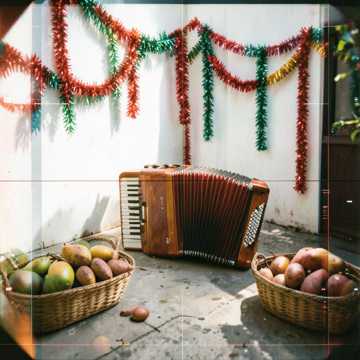
Kl@m
Une chanson de Noël réunionnaise pleine de tendresse, où les souvenirs d'enfance, les douceurs péi et les traditions familiales reviennent au son d'un séga entraînant. La nostalgie y devient une joie partagée, transmise de décembre en décembre.
03:30
16 hours ago
Kl@m
Chanson de séga péi festive et nostalgique, Kl@m célèbre Noël à La Réunion. Entre souvenirs d'enfance, pétards, gâteaux patate, letchis et traditions familiales, le morceau affirme que la lumière de Noël reste vivante dans nout cœur malgré les années.
03:28
16 hours ago

Kayamb Sega
A tightly repeating Réunionese sega groove led by dry kayamb shaker rhythms, warm rounded bass, light maloya percussion, and sparse guitar flashes. Its natural, danceable pulse feels rooted in island tradition while the clean8-bar ending suits seamless looping and contemporary audiovisual use.
00:20
Invalid date
Kayamb Boucle
Cette pièce instrumentale repose entièrement sur le kayamb, dont les graines produisent une pulsation cyclique, granuleuse et chaleureuse. Le balancement ternaire, les accents syncopés et les légères irrégularités humaines créent un groove continu, hypnotique et profondément enraciné dans la tradition du maloya réunionnais.
00:30
Invalid date
caca poulle
Caca Poule i rakont in souvenir marmay komik: Yéya i confond in zader marron ek chocolat. Dan ri ek grimace, chanson-la i gard la tendresse, la malis ek la mémoire d'infance, malgré le temps ek bann dimoun parti.
03:00
2026-09-27
974 Feat 976
Un hymne afro-trap énergique qui unit La Réunion et Mayotte à travers le maloya, le shigoma, les langues créoles et comoriennes, les saveurs locales et une identité commune. Les voix, percussions et basses808 transforment la diversité insulaire en célébration fraternelle.
05:02
2026-09-23
974 Feat 976
Un hymne insulaire et fédérateur où La Réunion et Mayotte unissent créole, français, shimaoré et swahili. Porté par le shatta, le dancehall, le m’godro et les percussions traditionnelles, le morceau célèbre la fraternité, le métissage et l’identité de l’océan Indien.
04:47
2026-09-23

Ô mon île !
Cette ode à La Réunion célèbre ses paysages volcaniques, sa mémoire, ses traditions, sa cuisine et son peuple métissé. Entre maloya, séga, gospel et sonorités créoles, la chanson devient un hymne chaleureux à l’unité, à la transmission et à la beauté insulaire.
07:11
2026-09-11
Pli for k’in rèv,
Une déclaration d’amour à distance où chaque minute rapproche deux cœurs séparés. Entre manque, espoir et désir de vivre enfin les jours ordinaires ensemble, le narrateur transforme l’attente en force, porté par un maloya réunionnais profondément humain.
04:15
2026-08-30
Oh Kafrine !!!!
Cette chanson célèbre une nuit d’amour, de danse et de complicité entre deux amoureux. Le créole réunionnais, les refrains répétitifs et les appels de foule créent une ambiance festive, sensuelle et collective, idéale pour faire vibrer une scène, une fête ou une soirée tropicale.
05:07
2026-08-24

Oh Kafrine !!!!
Cette chanson célèbre une nuit d’amour, de danse et de liberté entre deux personnes attirées par la musique et la chaleur des corps. Le créole réunionnais, le shatta et les répétitions entraînantes créent une ambiance festive, sensuelle et collective.
04:03
2026-08-24

Oh Kafrine !!!!
Une déclaration d’amour créole, sensuelle et festive, où deux amoureux dansent toute la nuit sous la lune. Le riddim shatta maloya, les refrains répétitifs et les chœurs ouh na na créent une ambiance de fête populaire, chaleureuse et profondément réunionnaise.
04:56
2026-08-24
Oh Kafrine !!!!
Une déclaration d’amour créole, chaleureuse et dansante, où deux amoureux se retrouvent sous la lune. Entre shatta, maloya et dancehall, le morceau célèbre le désir, la complicité, la fête et la promesse d’un avenir partagé.
03:20
2026-08-24
Oh Kafrine !!!!
Cette chanson célèbre une passion tendre et physique pour une Kafrine, dans une ambiance nocturne, solaire et festive. Le créole réunionnais, les refrains répétitifs et les vocalises invitent à danser, tandis que le shatta maloya à103 BPM crée une énergie chaleureuse, romantique et populaire.
02:56
2026-08-24
Oh Kafrine !!!!
Cette chanson célèbre un amour passionné et complice entre deux kafrines, dans une ambiance nocturne, sensuelle et festive. Le créole réunionnais, les refrains répétitifs et les appels à danser s’unissent à un riddim shatta énergique pour créer une romance tropicale irrésistible.
03:06
2026-08-24

Un nouveau jour
Un homme épuisé par les épreuves retrouve peu à peu la force de vivre grâce à l’amour de ses proches. Entre culpabilité, identité et reconstruction, la chanson devient un appel à se relever, à refuser les masques imposés et à choisir son propre chemin.
05:39
2026-08-22

KOULER REUNION
Un séga familial et festif qui célèbre La Réunion à travers les repas, les histoires lontan, la guitare, le kayamb et les danses partagées. Sous le soleil ou la lune, la famille transmet l’amour, la mémoire et la joie au rythme du maloya et du séga.
03:28
2026-08-21
Reunion Island: A Melting Pot of Cultures and Rhythms
Reunion Island, a French overseas department located in the Indian Ocean, is known not only for its stunning landscapes but also for its rich and diverse music culture. The island's music is a fusion of various influences, reflecting its history of colonization, slavery, and immigration. From the indigenous Maloya and Séga to modern interpretations blending African, Indian, European, and Malagasy rhythms, Reunion Island’s music is a vibrant expression of its cultural mosaic. The origins of these musical forms can be traced back to the arrival of slaves from Africa and Madagascar, as well as indentured laborers from India, who brought their musical traditions to the island. Over time, these styles evolved, incorporating elements from European settlers and other immigrant groups, creating a unique sound that is distinctly Reunionese.
Exploring the Diverse Sub-genres of Reunion Island Music
Maloya
Maloya is one of the most significant musical genres of Reunion Island, often considered the heart and soul of the island’s cultural identity. Originating from the African slaves and Malagasy communities, Maloya is characterized by its rhythmic drumming, call-and-response vocals, and the use of traditional instruments like the kayanm, a type of shaker made from sugar cane flower stems. Initially a form of protest music during the colonial period, Maloya has evolved into a symbol of resistance and pride for the people of Reunion Island. In 2009, Maloya was inscribed on UNESCO's Representative List of the Intangible Cultural Heritage of Humanity.
Séga
Séga is another core musical genre of Reunion Island, with origins rooted in the African and Malagasy slave communities. Unlike the more politically charged Maloya, Séga is known for its lively, upbeat rhythms and is often associated with celebrations and festive occasions. It combines traditional percussion with European instruments like the accordion and guitar, creating a sound that is both joyful and deeply rooted in the island’s history. Over time, Séga has evolved, incorporating modern influences, leading to variations like Séga Funk and Séga Pop, which blend traditional sounds with contemporary music styles.
Modern Fusion
In recent years, Reunion Island has seen the emergence of modern fusion genres that blend traditional Maloya and Séga with contemporary music styles like reggae, jazz, and electronic music. This fusion reflects the island’s ongoing cultural evolution and its openness to global influences. Artists experimenting with these fusion genres are pushing the boundaries of what is traditionally considered Reunionese music, creating innovative sounds that appeal to both local and international audiences.
Celebrated Artists and Iconic Works of Reunion Island Music
Danyèl Waro
Danyèl Waro is one of the most prominent figures in Reunion Island music, particularly known for his work in preserving and popularizing Maloya. His music is deeply rooted in the traditional sounds of the island, and he is celebrated for his powerful vocals and mastery of traditional instruments. Waro’s contribution to the revival of Maloya has earned him international recognition, and he continues to be a strong advocate for the cultural heritage of Reunion Island.
Batarsité by Danyèl Waro
Batarsité is one of Danyèl Waro’s most celebrated albums, showcasing his deep connection to the traditional sounds of Maloya. The album features powerful drumming, soulful vocals, and lyrics that speak to the struggles and resilience of the people of Reunion Island. Waro’s use of traditional instruments like the kayanm and the bob is particularly notable, as it emphasizes his commitment to preserving the island’s cultural heritage.
Alain Péters
Alain Péters is a legendary figure in Reunion Island's music scene, known for his innovative approach to blending Maloya and Séga with other genres like rock, blues, and jazz. His work has had a profound influence on the development of modern Reunionese music, and his songs often explore themes of identity, exile, and cultural fusion. Péters' music continues to inspire new generations of artists on the island.
Mangaye by Alain Péters
Mangaye is a classic album by Alain Péters that exemplifies his innovative approach to music. The album blends traditional Maloya rhythms with elements of blues, rock, and jazz, creating a sound that is both familiar and new. Péters’ lyrics, often reflective and introspective, explore themes of identity, longing, and cultural fusion, making Mangaye a timeless work that continues to resonate with listeners today.
Ziskakan
Ziskakan is a pioneering music group from Reunion Island that has played a crucial role in the evolution of the island’s music. Founded in the late 1970s, the band is known for its unique fusion of traditional Maloya and Séga with contemporary genres like reggae and world music. Ziskakan’s music often addresses social and political issues, making them an important voice in the cultural landscape of Reunion Island.
Ziskakan by Ziskakan
The self-titled album Ziskakan by the band Ziskakan is a landmark in Reunion Island’s music history. The album features a dynamic mix of Maloya, Séga, and reggae, with lyrics that address social justice and cultural pride. Ziskakan’s innovative fusion of traditional and modern sounds has made this album a cornerstone of the island’s contemporary music scene.
Diverse Applications of Reunion Island Music in Modern Media
Reunion Island music, with its rich and diverse rhythms, is often used in movie soundtracks to evoke a sense of place, culture, and emotion. The traditional sounds of Maloya and Séga can add depth and authenticity to films set in or inspired by the Indian Ocean region. For example, the rhythmic drumming and call-and-response vocals of Maloya can be used to underscore scenes of struggle, resilience, or cultural celebration.
Movie Soundtracks
The lively and upbeat nature of Séga makes it an excellent choice for advertising music, particularly in campaigns that aim to convey joy, celebration, or a sense of exoticism. The vibrant sounds of Séga can help brands create an emotional connection with audiences, particularly in markets where the cultural heritage of Reunion Island is valued.
Advertising Music
In the world of video games, Reunion Island music can be used to create immersive environments, particularly in games that explore themes of exploration, cultural diversity, or historical narratives. The traditional instruments and rhythms of Maloya and Séga can add an authentic touch to games set in tropical or historical settings, enhancing the player’s experience and connection to the game world.
Game Background Music