Free Spoken-chant Music Generator Powered by AI
Turn text into high-quality Spoken-chant music effortlessly – no login required!
music.toolTips
Mindless satanic Matt 559 367 4820
A deliberately abrasive theatrical rant built from obsessive repetition, profanity, satanic imagery, accusations, disease references, and alleged criminal clues. Its slow operetta pacing contrasts with brass fanfare, marching drums, comic trombone colors, and bass drops, creating a grotesque, confrontational performance piece.
06:54
2 days ago
Tick Tock
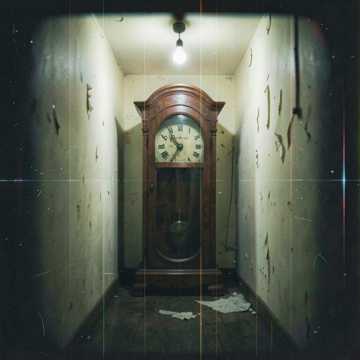
Tick Tock transforms a simple clock rhythm into a claustrophobic horror ritual. Repeated phrases, narrowing spaces, frozen footsteps, and dark ambient textures create mounting psychological tension, while the abrupt gunshot and hard cut deliver a stark, cinematic ending.
01:00
5 days ago
Spoken Chant: Definition, History, and Musical Evolution
Spoken Chant is a vocal music style that blends rhythmic speech with repetitive melodic or tonal patterns. Unlike conventional singing, Spoken Chant emphasizes the natural cadence of the spoken voice while incorporating structured repetition, vocal phrasing, andSpoken Chant Content Guide ceremonial or musical rhythm. The Spoken Chant music style has roots in ancient religious, cultural, and tribal traditions across the world, including Gregorian chant in medieval Europe, Vedic chanting in India, Buddhist sutra recitations, Indigenous ceremonial chants, and African oral storytelling traditions. Over time, Spoken Chant expanded beyond spiritual contexts into contemporary music, spoken word poetry, theatrical performances, experimental compositions, meditation recordings, film scores, and modern electronic music. Today, Spoken Chant continues to evolve by combining traditional vocal techniques with ambient soundscapes, cinematic production, world music influences, and digital audio technology, making it a versatile music tag used across numerous creative industries.
Major Spoken Chant Sub-tags and Classifications
Religious Spoken Chant
Religious Spoken Chant features sacred texts, prayers, scriptures, or liturgical recitationsSpoken Chant Overview delivered in rhythmic vocal patterns. Common examples include Gregorian chant, Buddhist chanting, Islamic devotional recitations, Hindu Vedic chanting, and Christian liturgical traditions. These chants emphasize devotion, contemplation, and spiritual atmosphere.
Meditation Spoken Chant
Meditation Spoken Chant combines slow-paced spoken affirmations, mantras, and repetitive vocal phrases with calming ambient music. This Spoken Chant sub-tag is widely used in mindfulness practices, yoga sessions, wellness applications, sleep therapy, and relaxation recordings.
Ceremonial Spoken Chant
Ceremonial Spoken Chant originates from traditional rituals, tribal gatherings, healing ceremonies, and cultural celebrations. Rhythmic vocal repetition, call-and-response structures, and percussion accompaniment are common characteristics that reinforce community participation and symbolic meaning.
Poetic Spoken Chant
Poetic Spoken Chant merges spoken word poetry with rhythmic chanting techniques. Artists often emphasize expressive narration, emotional storytelling, and carefully controlled vocal pacing while maintaining musical structure. This style frequently appears in contemporary performance art and literary festivals.
Experimental Spoken Chant
Experimental Spoken Chant explores unconventional vocal techniques, layered speech, electronic processing, looping, minimalism, and avant-garde composition. This classification is common in contemporary classical music, sound art, multimedia installations, and experimental electronic productions.
Cinematic Spoken Chant
Cinematic Spoken Chant combines dramatic spoken vocals with orchestral, ambient, or hybrid film score elements. It is frequently used in movie trailers, fantasy films, documentaries, historical dramas, and epic storytelling to create mystery, tension, and emotional depth.
Electronic Spoken Chant
Electronic Spoken Chant integrates rhythmic spoken vocals into electronic genres such as ambient, downtempo, techno, trance, and experimental EDM. Producers often use vocal effects, delays, reverbs, and layered textures to create immersive soundscapes.
Famous Spoken Chant Artists and Classic Works
The Benedictine Monks of Santo Domingo de Silos
These monks helped popularize Gregorian chant worldwide through recordings that introduced millions of listeners to traditional sacred Spoken Chant. Their performances preserve centuries-old liturgical vocal traditions.
Chant
Performed by the Benedictine Monks of Santo Domingo de Silos, this internationally successful album introduced Gregorian Spoken Chant to mainstream audiences. Its minimalist vocal textures, reverberant acoustics, and meditative pacing helped revive global interest in sacred chant traditions.
Meredith Monk
Meredith Monk is a pioneering composer and vocalist whose experimental vocal techniques blur the boundaries between Spoken Chant, minimalism, contemporary classical music, and performance art. Works such as 'Dolmen Music' demonstrate innovative uses of repetitive vocal expression.
Dolmen Music
Meredith Monk's 'Dolmen Music' is a landmark experimental vocal composition featuring repetitive spoken phrases, abstract vocalizations, and innovative ensemble techniques. The work expanded the artistic possibilities of Spoken Chant within contemporary classical music.
Allen Ginsberg
Known for blending poetry with Buddhist chanting traditions, Allen Ginsberg incorporated rhythmic spoken delivery and mantra-inspired vocal performance into literary readings and musical collaborations.
Songs of Awakening
Lama Gyurme's recordings combine Tibetan Buddhist chanting with ambient instrumentation to create deeply meditative soundscapes. The work demonstrates how traditional Spoken Chant can successfully merge with modern world music production.
David Hykes
David Hykes expanded modern vocal performance through harmonic overtone singing and meditative chant traditions, influencing contemporary Spoken Chant and sacred vocal music.
Ofnir
Heilung's album 'Ofnir' blends ritual Spoken Chant with tribal percussion, reconstructed ancient languages, and cinematic production, creating a powerful fusion of historical inspiration and contemporary musical storytelling.
Lama Gyurme
Lama Gyurme introduced Tibetan Buddhist chant to international audiences through recordings that combine traditional sacred recitation with contemporary ambient production.
Heilung
Heilung incorporates ritualistic Spoken Chant, historical languages, tribal percussion, and ceremonial performance into immersive neo-folk compositions inspired by ancient Northern European traditions.
Popular Application Scenarios for Spoken Chant Music
Spoken Chant is frequently used in fantasy films, historical dramas, documentaries, and psychological thrillers to create spiritual depth, mystery, ancient atmosphere, and emotional intensity.
Film Soundtracks
Game composers use Spoken Chant to enhance immersive environments in role-playing games, mythology-inspired adventures, horror games, strategy titles, and cinematic boss encounters.
Video Game Background Music
Meditation applications, yoga classes, breathing exercises, mindfulness programs, and therapeutic relaxation recordings commonly incorporate Spoken Chant to promote focus, calmness, and emotional balance.
Meditation and Wellness
Spoken Chant remains central to worship services, temple ceremonies, church liturgies, monastery rituals, retreats, and community spiritual gatherings across numerous cultures and faith traditions.
Religious and Spiritual Events
Directors use Spoken Chant in stage productions to emphasize dramatic narration, ritual scenes, symbolic storytelling, and emotionally powerful transitions between acts.
Theatrical Performances
Luxury brands, cultural campaigns, wellness companies, and documentary-style advertisements use Spoken Chant to communicate authenticity, heritage, mindfulness, and emotional resonance.
Advertising and Brand Storytelling
Interactive museums, historical exhibitions, and immersive multimedia installations employ Spoken Chant to recreate cultural traditions, historical environments, and spiritual experiences for visitors.
Museum and Exhibition Installations
Narrative podcasts, historical storytelling, guided meditations, and audio dramas use Spoken Chant elements to enhance atmosphere, improve listener engagement, and reinforce thematic continuity.
Podcast and Audio Productions