Free Tea Ceremony Music Generator Powered by AI
Turn text into high-quality Tea Ceremony music effortlessly – no login required!

music.toolTips
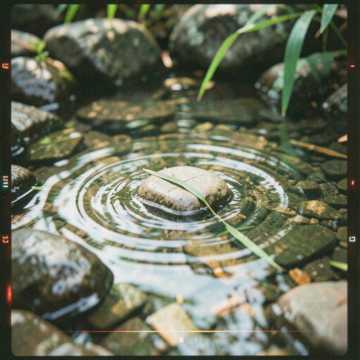
Jade Stream Circle
作品以70 BPM的舒缓节奏展开,笛子围绕中心音轻柔回旋,古筝随后铺陈水波般的空间感,二胡增添温润情绪。清澈、稳定而循环流动的编曲,营造宁静、通透且向上的禅境。
03:13
2026-09-28
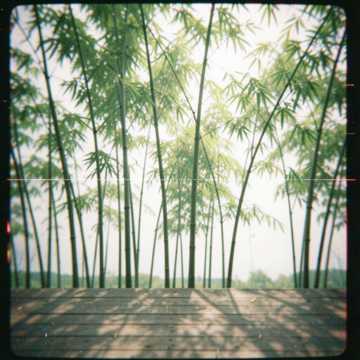
竹影清风
作品以笛子的清润气息开篇,古筝的疏朗拨弦随后回应,二胡以温柔长音铺陈情绪,在70 BPM的舒缓节奏中展现竹影与清风般的雅致、宁静和含蓄喜悦。
03:05
2026-09-28
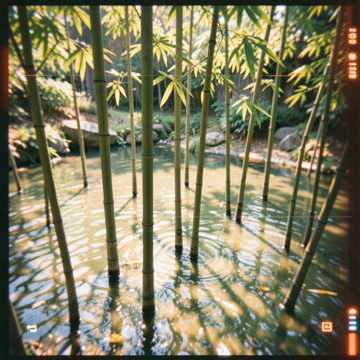
竹影回环
作品以70 BPM的舒缓节奏展开,笛声先行,呈现由上行至下行的呼吸式旋律;古筝随后轻触,二胡以内敛长音回应。整体温暖、清雅、宁静而微带喜悦,并以无明显终止的循环结构延续禅意。
03:05
2026-09-28
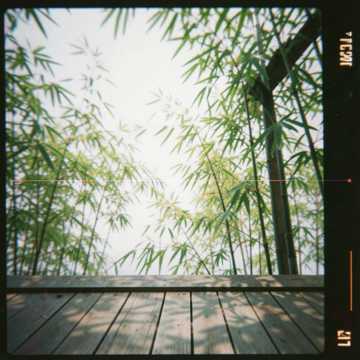
Bamboo Moon Drift
作品以65至75 BPM的柔和五声音阶展开,笛子引领,古筝应答,二胡后段加入温暖深度。留白充足、循环自然,营造竹林月夜般清澈、宁静而含蓄的东方意境。
03:10
2026-09-28
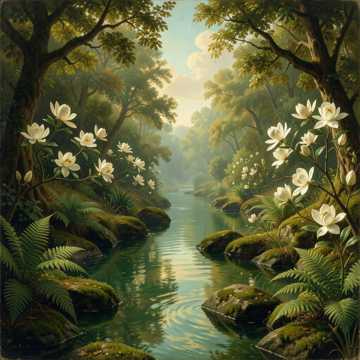
Jade River Lilt
作品以70 BPM的舒缓速度展开,笛子率先奏出清新优雅的旋律,古筝与二胡随后温柔交融。无鼓无低音的留白营造出晶莹、宁静而喜悦的水墨禅境,并适合无缝循环播放。
00:55
2026-09-28
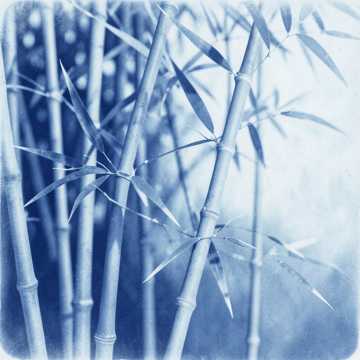
竹影回环
作品以舒缓呼吸般的节奏展开,笛声先行,古筝回应,二胡轻柔相伴,在留白与交织中营造温暖、宁静而富有东方诗意的禅意声景。
03:24
2026-09-28
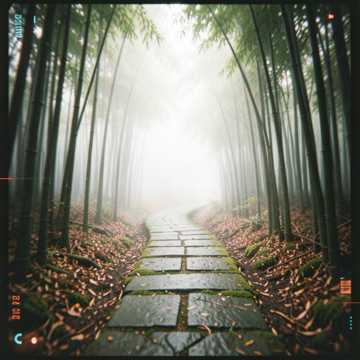
Bamboo Mist Path
A graceful Zen instrumental that evokes a mist-covered bamboo trail. Airy dizi, shimmering guzheng, and warm erhu unfold slowly within a spacious acoustic mix, creating a peaceful atmosphere suited to meditation, tea ceremonies, nature films, and seamless ambient listening.
02:00
2026-09-28
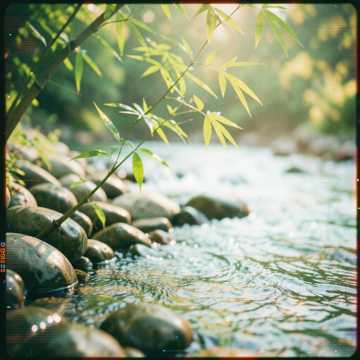
Jade River Loop
作品以70 BPM的悠缓节奏展开,笛子先奏下行流水句,古筝与二胡随后轻柔加入,营造清雅、温暖而澄明的禅意空间,并以自然循环的结尾回到开端。
02:58
2026-09-28
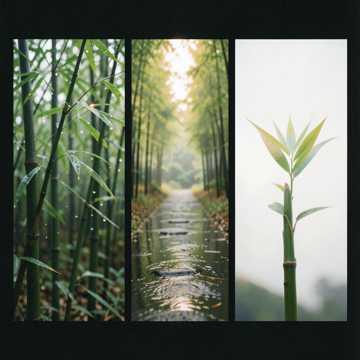
竹影初晴
作品以笛子清亮的第一声展开,在65至75 BPM的漂浮脉动中,古筝与二胡依次加入。疏朗旋律、温暖音色和极轻动态营造雨后竹影初晴的宁静、明澈与淡淡喜悦。
03:28
2026-09-28
流水禅意
作品以古琴与竹笛为核心,配合柔和锣声和缓慢流动的氛围合成器,营造如流水般澄澈、留白充盈的禅意空间,引导听者在宁静呼吸中沉淀心绪。
04:07
2026-09-22
静かな庭
作品以克制的五声音阶和渐进式呼吸编排,营造温暖、内省的神社庭院氛围。稀疏尺八、琴与琵琶拨弦交织寺铃和木质空间回响,仿佛晨雾中的静庭,适合沉思、冥想与文化场景使用。
03:38
2026-09-12
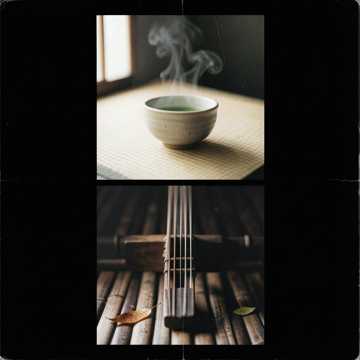
Thé sur le tatami
Cette pièce instrumentale évoque une cérémonie du thé dans un espace zen, entre bruissements de bambou, souffles de shakuhachi, pincements de koto et pulsations de taiko. Son mouvement lent et sa texture chaleureuse invitent au calme, à la contemplation et à une écoute profondément immersive.
04:04
2026-08-23
Introduction to Tea Ceremony Music
Tea Ceremony music is a form of traditional Japanese music often used to accompany the Japanese tea ceremony, known as 'Chanoyu' or 'Sado'. This ritual, which emphasizes harmony, respect, purity, and tranquility, has been practiced for centuries, with its roots tracing back to the 9th century when tea was introduced to Japan from China. Over time, the tea ceremony evolved into an art form, and so did the music that accompanies it. This music, known as 'chaji music,' plays a significant role in creating a serene atmosphere that complements the ritual's meditative and reflective nature. The soundscape is often characterized by the use of traditional Japanese instruments such as the koto, shamisen, shakuhachi, and biwa, with compositions that emphasize slow, deliberate pacing to match the ceremony's movements.
Sub-tags and Classifications of Tea Ceremony Music
Traditional Tea Ceremony Music
This sub-tag refers to the classical and most authentic form of tea ceremony music, performed using traditional instruments like the koto, shakuhachi, and shamisen. It often includes ancient compositions that have been passed down through generations. The music is slow, with an emphasis on creating a peaceful and contemplative ambiance, aligning with the tea ceremony's core principles.
Modern Tea Ceremony Fusion
Modern Tea Ceremony Fusion blends traditional tea ceremony music with contemporary elements, such as Western classical instruments, digital synthesizers, or even ambient electronic beats. This style aims to retain the essence of the tea ceremony's tranquility while introducing modern influences, making it more appealing to a wider audience.
Zen-inspired Tea Ceremony Music
Zen-inspired Tea Ceremony Music focuses on deep meditation and mindfulness. It often incorporates sounds from nature, such as flowing water, birdsong, and wind, combined with minimalist instrumental arrangements. This sub-tag is particularly popular in settings where the tea ceremony is practiced as a form of relaxation or spiritual mindfulness.
Seasonal Tea Ceremony Music
Seasonal Tea Ceremony Music changes according to the different seasons, reflecting the beauty of nature's cycles. Spring might feature light, airy tunes symbolizing blooming flowers, while autumn might include more somber, reflective melodies. This classification highlights how tea ceremony music adapts to enhance the seasonal experience.
Famous Artists and Works Related to Tea Ceremony Music
Yatsuhashi Kengyō
Known as the father of koto music, Yatsuhashi Kengyō (1614–1685) greatly influenced the development of tea ceremony music. His compositions, which often feature the koto, have been used in tea ceremonies for centuries, blending seamlessly with the ceremony's tranquil atmosphere.
Rokudan no Shirabe
A classic koto piece attributed to Yatsuhashi Kengyō, 'Rokudan no Shirabe' is one of the most iconic works performed during tea ceremonies. The piece is structured in six sections, with a serene and flowing melody that embodies the calmness and grace of the tea ceremony.
Hozan Yamamoto
A renowned shakuhachi player, Hozan Yamamoto (1937–2014) was known for his ability to infuse traditional Japanese music with contemporary styles. His works, which include compositions specifically designed for tea ceremonies, are praised for their ability to evoke deep emotions and a sense of peace.
Shika no Tone
This duet for shakuhachi and koto, meaning 'The Distant Cry of Deer,' is a classic work often associated with the tea ceremony. It beautifully captures the essence of nature's tranquility, blending the deep, breathy sounds of the shakuhachi with the gentle plucking of the koto strings.
Miyagi Michio
Miyagi Michio (1894–1956) was a blind koto virtuoso who modernized the instrument and expanded its repertoire. His works, such as 'Haru no Umi' (The Sea in Spring), have become staples in tea ceremony music, showcasing his mastery of blending traditional sounds with innovative compositions.
Sakura Variations
Miyagi Michio's 'Sakura Variations' is a contemporary piece that incorporates the traditional Japanese folk song 'Sakura' (Cherry Blossoms). The composition features variations that evoke different moods, from light and playful to more solemn and meditative, making it a versatile work for tea ceremony settings.
Application Scenarios of Tea Ceremony Music
Tea ceremony music is often used in film soundtracks to create an atmosphere of tranquility, introspection, or to depict traditional Japanese culture. Its calming and meditative qualities make it ideal for scenes that require a sense of harmony and peacefulness.
Film Soundtracks
Outside the context of the tea ceremony, this genre is frequently used in meditation and relaxation playlists. The slow, deliberate pacing and serene melodies help listeners achieve a state of calm, making it perfect for yoga, mindfulness, and relaxation practices.
Meditation and Relaxation
Tea ceremony music is commonly played in spas and wellness centers to create a serene environment for clients. The soothing sounds contribute to a sense of tranquility, helping individuals unwind and relax during treatments.
Spa and Wellness Centers
The gentle, unobtrusive nature of tea ceremony music makes it an excellent choice for background music at events such as art exhibitions, cultural gatherings, or formal dinners. It provides a subtle ambiance that enhances the setting without overpowering the main event.
Background Music for Events