Free Techno Music Generator Powered by AI
Turn text into high-quality Techno music effortlessly – no login required!

music.toolTips
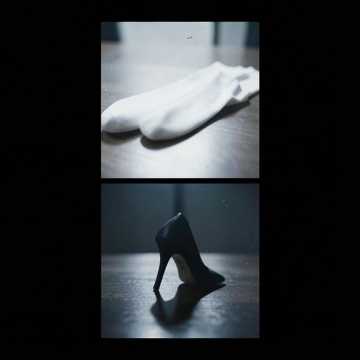
Белые колготки
Лирический герой погружается в чарующую сцену взаимного притяжения, где белые колготки становятся символом тайны, нежности и пробуждающегося чувства. Танцевальная мрачная электроника подчёркивает смесь романтики, мечтательности и лёгкой интриги.
02:35
2026-09-28
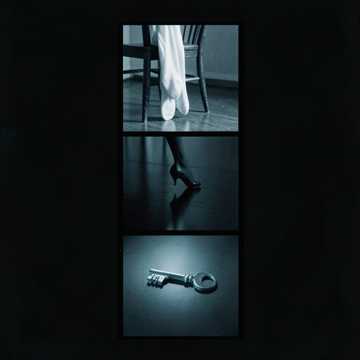
Белые колготки
Песня передаёт смущённое влечение героя к женщине, превращая белые колготки в символ тайны, нежности и романтической фантазии. Тёмная танцевальная аранжировка подчёркивает контраст между интимными образами, внутренним волнением и ярким, запоминающимся припевом.
02:29
2026-09-28
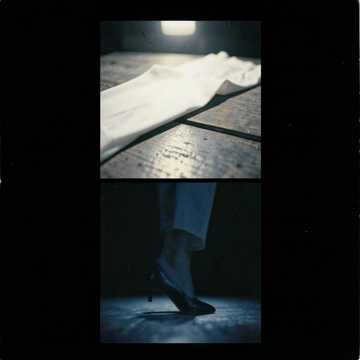
Белые колготки
Песня рассказывает о смущённом влечении мужчины к загадочной женщине. Белые колготки становятся символом тайной мечты, чувственности и хрупкой романтики, а тёмный евродэнс превращает интимную сцену в гипнотический ночной танец.
02:45
2026-09-28

Alles ist labil
Der Song beschreibt den schmerzhaften Wandel einer Bank von menschlicher Nähe zu kalter Effizienz. Der Wechsel von Katja zu Andrej wird zum Symbol für strukturelle Veränderung, Entfremdung und die Frage, wer den emotionalen Verfall einer Arbeitswelt zu verantworten hat.
02:55
2026-09-28

Alles ist labil
Der Song schildert den schmerzhaften Wandel eines vertrauten Arbeitsplatzes: Auf menschliche Wärme und Katjas Nähe folgen unter Andrej Kontrolle, Tabellen und algorithmische Kälte. Dunkler Eurodance verwandelt Entfremdung, Erschöpfung und Schuldfragen in einen eindringlichen, tanzbaren Abgesang auf eine vergangene Arbeitswelt.
03:07
2026-09-28

Hermano
Canción épica y motivacional que celebra una amistad convertida en hermandad. Sus versos evocan apoyo mutuo, lealtad y resistencia ante la distancia, mientras los drops electrónicos elevan el mensaje con energía, emoción y espíritu de celebración.
05:07
2026-09-28

Phantom
Phantom turns a lonely night, missing snacks, and a silent intruder into a surreal dance-pop confrontation with the self. Its playful surface hides themes of isolation, addiction, guilt, and conscience, building from humorous unease toward an ominous psychological revelation.
04:22
2026-09-27
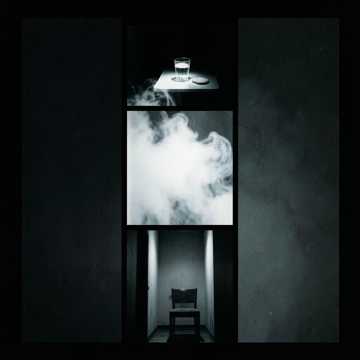
Phantom
A lonely narrator faces a silent phantom who consumes his food and invades his home. What begins as absurd dark comedy gradually becomes psychological horror, suggesting the visitor may be his own conscience, shadow, or unresolved despair.
04:18
2026-09-27
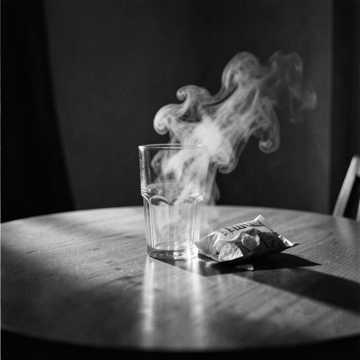
Phantom
Phantom blends dark Eurodance energy with absurd supernatural imagery. A lonely narrator confronts a silent visitor who consumes his food and possibly represents his own conscience. The driving beat, shadowy synths, and escalating vocals transform isolation, guilt, and unanswered questions into theatrical dance-pop tension.
04:02
2026-09-27
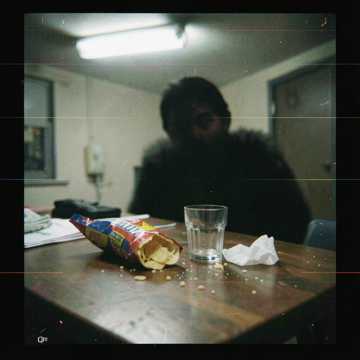
Schweigen pur
Ein einsamer, betrunkener Mann wird von einem stummen Phantom heimgesucht, das seinen Snack verschlingt und jede Antwort verweigert. Zwischen schwarzem Humor, wachsender Verzweiflung und Selbstzweifel verwandelt sich das Phantom schließlich in ein mögliches Spiegelbild seines eigenen Gewissens.
04:22
2026-09-27
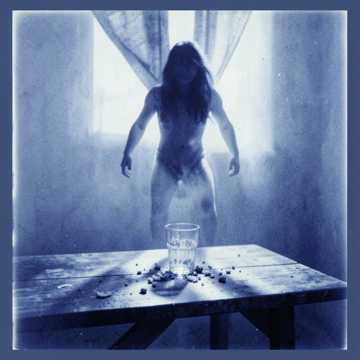
Фантом
Ein einsamer, betrunkener Erzähler wird von einem schweigenden Phantom heimgesucht, das seinen letzten Snack verschlingt. Zwischen schwarzem Humor, wachsender Verzweiflung und psychologischem Schrecken verwandelt sich der unheimliche Besucher schließlich in einen möglichen Schatten des eigenen Gewissens.
04:05
2026-09-27
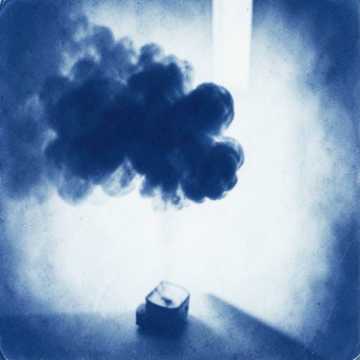
Фантом
Мрачный герой сталкивается с безмолвным фантомом, который поедает его закуску и нарушает привычный порядок ночи. Постепенно призрак превращается в символ одиночества, вины и совести, заставляя героя усомниться, не является ли незваный гость его собственной тенью.
04:07
2026-09-27
Фантом
Герой, одинокий и, вероятно, пьяный, сталкивается с молчаливым фантомом, который поедает его закуску и мучает взглядом. Постепенно призрак превращается в символ совести, тени и внутренней пустоты, доводя героя до эмоционального срыва.
04:01
2026-09-27
Что происходит
Песня передаёт острый приступ тревоги: герой теряет контроль, тонет в панике, обвиняет близких и ощущает себя чужим. Мрачный танцевальный саунд усиливает внутренний конфликт, превращая страх, вину и отчаяние в пульсирующую исповедь с эмоциональным финальным вопросом.
03:36
2026-09-27

Белые колготки
Песня рассказывает о мгновении тайного притяжения, где взгляды, замок, каблуки и белые колготки становятся символами желания, мечты и эмоциональной игры. Мрачная танцевальная аранжировка контрастирует с нежными образами и повторяющимся, запоминающимся припевом.
02:36
2026-09-27

Белые колготки
Песня изображает напряжённый момент взаимного притяжения, где бытовая сцена превращается в чувственную фантазию. Белые колготки становятся символом тайного желания, нежности и романтической игры, подчёркнутой мрачной танцевальной эстетикой.
02:46
2026-09-27
Don't think about it
A playful yet atmospheric Eurodance travelogue set in Egypt, blending Nile imagery, Cairo landmarks, ancient history, and surreal humor. Beneath the upbeat rhythm, the recurring message encourages listeners to release fear, anxiety, and evil thoughts.
04:33
2026-09-27

Don't think about it
A surreal Egyptian travelogue blends Nile imagery, ancient mysteries, tourist observations, and playful absurdity with a recurring message of release. Dark Eurodance production contrasts the song's sunny setting, while deep vocals, pulsing rhythms, and shadowy synths transform anxious thoughts into movement and emotional escape.
04:42
2026-09-27
Falling again
A dark dance-pop anthem about anxiety returning with overwhelming force. The narrator loses control, lashes out at loved ones, and confronts familiar pain through tense verses, explosive choruses, and a vulnerable bridge before fading into resignation.
03:52
2026-09-27
Falling again
Das Werk verbindet einen intensiven englischen Song über wiederkehrende Angst, Entfremdung und innere Wut mit einem deutschsprachigen, grotesk-humorvollen Industrial-Metal-Reisebericht aus Ägypten. Der starke Stilbruch erzeugt eine surreal wirkende Dramaturgie zwischen psychischer Überforderung, schwarzem Humor und aggressiver Energie.
05:59
2026-09-27
Introduction to Techno: The Evolution of an Electronic Genre
Techno is a genre of electronic dance music that emerged in the mid-to-late 1980s in Detroit, Michigan. It is characterized by a repetitive, hypnotic sound that blends synthetic sounds with rhythmic patterns, often produced using drum machines, synthesizers, and digital audio workstations. The origins of Techno can be traced back to the innovations of African American artists like Juan Atkins, Derrick May, and Kevin Saunderson, who are often referred to as the 'Belleville Three.' Their experimentation with electronic sounds, combined with influences from Chicago house, funk, electro, and synth-pop, gave birth to what we now know as Techno. Over the decades, Techno has evolved, diversifying into various sub-genres while maintaining its core focus on rhythm and synthetic soundscapes.
Exploring Sub-genres and Classifications of Techno Music
Detroit Techno
Detroit Techno is the original form of Techno music, pioneered by the 'Belleville Three.' It combines the futuristic sounds of synths with the rhythmic influences of funk, electro, and Chicago house. Detroit Techno is known for its soulful melodies, complex arrangements, and emphasis on innovation.
Minimal Techno
Minimal Techno emerged in the early 1990s as a response to the increasingly complex productions in other electronic music genres. This sub-genre focuses on simplicity, using sparse arrangements and repetitive beats to create a hypnotic and meditative atmosphere. Key artists include Robert Hood and Richie Hawtin.
Acid Techno
Acid Techno is a sub-genre that developed from the Acid House movement of the late 1980s. It is characterized by the use of the Roland TB-303 bass synthesizer, which produces the distinctive 'acid' sound—a squelchy, resonant, and often distorted tone. Artists like Hardfloor and Chris Liberator have been influential in this sub-genre.
Tech House
Tech House blends elements of Techno and House music, combining the four-on-the-floor beats and soulful melodies of House with the synthetic textures and rhythm-focused structure of Techno. It emerged in the 1990s and has become a staple in clubs around the world. Notable artists include Carl Cox and Laurent Garnier.
Industrial Techno
Industrial Techno is a darker, harder variant of Techno that incorporates the harsh sounds and aggressive aesthetics of Industrial music. It often features distorted kicks, metallic percussion, and a raw, abrasive sound palette. Artists such as Surgeon and Ancient Methods are key figures in this sub-genre.
Famous Artists and Iconic Works in Techno Music
Juan Atkins
Known as the 'Originator' of Techno, Juan Atkins was instrumental in the creation of the genre. His work with Cybotron and as Model 500 laid the foundation for Techno music. Tracks like 'Clear' and 'No UFOs' are seminal works that influenced countless artists.
Strings of Life - Derrick May
Released in 1987, 'Strings of Life' by Derrick May is a landmark in Techno history. The track's soaring string melodies and powerful rhythms encapsulate the emotional depth and energy that Techno can convey. It is widely regarded as a quintessential Techno anthem, representing the genre's ability to merge synthetic and organic elements.
Derrick May
Derrick May, also known as Mayday, is a pioneering figure in Techno, responsible for creating some of the genre's most iconic tracks. His 1987 hit 'Strings of Life' is often hailed as a masterpiece, blending emotive strings with driving rhythms to create an unforgettable dancefloor experience.
Clear - Cybotron (Juan Atkins)
'Clear,' released in 1983 by Cybotron, is a seminal track in the development of Techno. The track's futuristic sound, driven by the pulsating bassline and robotic beats, set the stage for the Techno movement. It is a prime example of how early Techno artists fused electro, funk, and electronic experimentation to create a new sound.
Richie Hawtin
Richie Hawtin, a key figure in the Minimal Techno movement, has been a driving force in the evolution of Techno. Under his Plastikman alias, he released groundbreaking albums like 'Sheet One' and 'Musik,' which explored the boundaries of minimalism and sound design.
Spastik - Plastikman (Richie Hawtin)
Released in 1993, 'Spastik' by Plastikman (Richie Hawtin) is a minimal Techno classic. The track is built around a relentless snare roll, creating a hypnotic and driving rhythm that exemplifies the minimalistic approach. 'Spastik' has become a defining track in Hawtin's career and a staple in Techno DJ sets.
Jeff Mills
Jeff Mills, often referred to as 'The Wizard,' is a legendary DJ and producer known for his fast-paced, intense Techno sets and productions. As a founding member of Underground Resistance, he has played a pivotal role in pushing the boundaries of Techno. Tracks like 'The Bells' are iconic within the genre.
Application Scenarios for Techno Music
Techno music's rhythmic intensity and futuristic soundscapes make it an ideal choice for movie soundtracks, especially in genres like science fiction and thrillers. The driving beats and synthetic textures can heighten tension and energy in action scenes or provide a dystopian atmosphere.
Movie Soundtracks
The energetic and modern sound of Techno is often used in advertising, particularly in commercials targeting younger audiences or promoting technology and lifestyle products. Its repetitive, catchy beats can make a strong impression and align well with innovative or cutting-edge branding.
Advertising Music
Techno's pulsating rhythms and dynamic sound design are frequently used in video games, especially in racing, cyberpunk, and futuristic genres. The music's ability to create an immersive, high-energy environment enhances the gaming experience, keeping players engaged and focused.
Game Background Music
Techno remains a staple in the global clubbing scene, with its powerful beats driving dance floors in clubs and at rave events. The genre's focus on rhythm and groove makes it perfect for long DJ sets, where the music's energy can be sustained over several hours, creating a euphoric atmosphere for dancers.
Clubbing and Rave Events