Free Theorbo Music Generator Powered by AI
Turn text into high-quality Theorbo music effortlessly – no login required!

music.toolTips
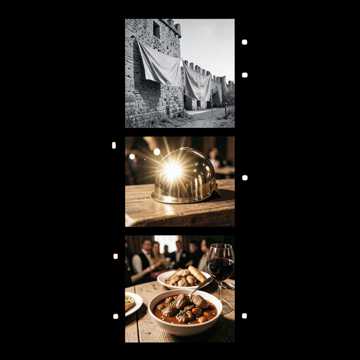
04b_Il Trionfo del Bellina, per il Pontifex
Un cavaliere sconfigge l'arroganza e conquista l'ammirazione di Isabella, del Conte e del Papa. Tra acclamazioni, simboli d'acciaio, cappelletti e vino, la vera gloria diventa la pace condivisa, celebrata come ponte tra rigore romano e anima romagnola.
01:43
41 minutes ago
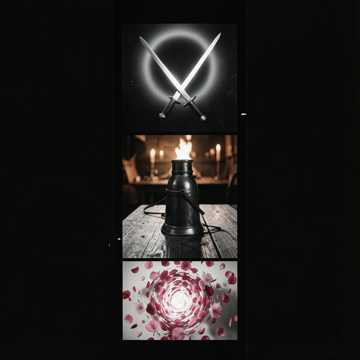
02b_L'Eco della Ghirlandosa
Dommènicus d’Ammìra Bellìna affronta il gigantesco Fiaccolìno per sanare una frattura politica in Romagna. Guidato dal giudizio di Antoniàrdo, trasforma la Ghirlandòsa in un turbine elegante e letale, dando inizio a una sfida cavalleresca carica di tensione, nobiltà e destino.
03:49
1 days ago
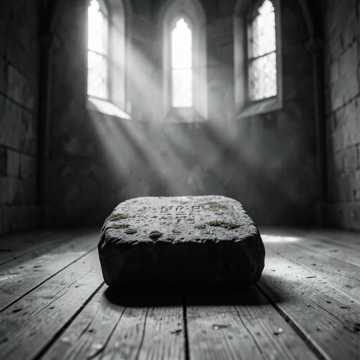
Cripta de 1677
Evoca una ceremonia íntima en un monasterio español del siglo XVII. Su pulso lento en3/2, modo dórico, cuerdas apagadas, instrumentos pulsados y resonancia pétrea construyen una atmósfera austera, histórica y contemplativa, sin voces ni coro.
03:54
2 days ago
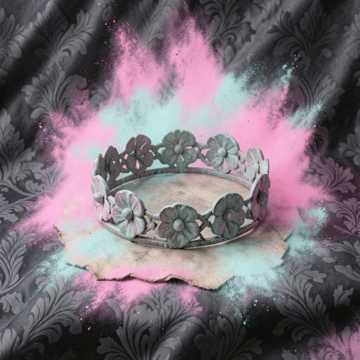
01b_La Ghirlandosa in Romagna
Nella Romagna rinascimentale, il cavaliere Dommènicus e Antoniàrdo accettano dal Conte Valeriàni la missione di affrontare il temibile Raimòndo Squàrcia-lalància senza spargere sangue. Tra ironia, orgoglio e politica, la Ghirlandòsa diventa simbolo di grazia, autorità e imminente conflitto.
06:25
2 days ago
Theorbo: Definition, History, and Musical Heritage
Theorbo is a largeTheorbo Music Content, long-necked plucked string instrument belonging to the lute family, distinguished by its extended neck and additional bass strings. Developed in late 16th-century Italy during the transition from the Renaissance to the Baroque era, the Theorbo was originally designed to provide a deeper bass range for basso continuo accompaniment in opera, sacred music, and chamber ensembles. Its powerful resonance and warm, rich timbre made it an essential instrument in early Baroque music. Theorbo performers played a vital role in accompanying singers and instrumentalists while also performing expressive solo repertoire. Throughout the 17th and early 18th centuries, the Theorbo spread across Europe, particularly flourishing in Italy, France, England, and Germany. Although its popularity declined with the rise of the Classical period, the historical performance movement of the 20th century revived interest in the Theorbo, making it a respected instrument in early music ensembles, recordings, concerts, and educational institutions. Today, Theorbo music continues to captivate audiencesTheorbo History and Application with its elegant sound, historical authenticity, and intimate expressive qualities.
Theorbo Sub-tags and Classifications
Italian Theorbo
The Italian Theorbo represents the earliest and most influential style of the instrument. It is commonly associated with early Baroque opera, sacred vocal works, and continuo accompaniment. Italian Theorbo performance emphasizes expressive ornamentation, harmonic richness, and rhythmic flexibility, making it central to the music of composers such as Claudio Monteverdi.
French Theorbo
French Theorbo developed its own refined performance tradition during the 17th century. Often featured in the French royal court, this style favors elegant dance rhythms, subtle ornamentation, and highly sophisticated continuo playing. French Theorbo repertoire includes solo preludes, dance suites, and chamber music that showcase the instrument's lyrical qualities.
Theorbo Continuo
Theorbo Continuo focuses on basso continuo accompaniment, one of the instrument's primary historical roles. The performer realizes harmonic progressions from figured bass notation while supporting singers, choirs, and instrumental ensembles. This classification highlights the Theorbo's importance in Baroque opera, cantatas, oratorios, and chamber music.
Solo Theorbo
Solo Theorbo repertoire explores the expressive and technical capabilities of the instrument. These works often include preludes, fantasias, toccatas, and dance movements that emphasize delicate fingerstyle techniques, resonant bass strings, and intricate melodic ornamentation.
Historical Performance Theorbo
This category emphasizes historically informed performance practices using period instruments or faithful reproductions. Performers study historical treatises, authentic tunings, and Baroque ornamentation techniques to recreate the original sound world of Theorbo music.
Contemporary Theorbo
Modern composers increasingly incorporate the Theorbo into contemporary classical works, film scores, crossover projects, and experimental music. Contemporary Theorbo performances blend historical traditions with innovative harmonic language and modern production techniques.
Famous Theorbo Artists and Classic Theorbo Works
Kapsberger (Johannes Hieronymus Kapsberger)
Kapsberger was one of the greatest virtuosos and composers for the Theorbo. His collections of toccatas, dances, and variations significantly expanded the instrument's solo repertoire while introducing bold harmonic ideas and technical innovations that influenced later Baroque musicians.
Libro Primo d'Intavolatura di Chitarrone by Johannes Hieronymus Kapsberger
This landmark publication contains some of the earliest surviving solo Theorbo compositions. The music features virtuosic toccatas, expressive improvisatory passages, and innovative harmonic exploration that demonstrate the full expressive range of the instrument.
Robert de Visée
Robert de Visée served at the French royal court under Louis XIV and composed elegant works for Theorbo, lute, and guitar. His suites combine refined French dance forms with expressive melodic writing, making them cornerstones of French Theorbo literature.
Pièces de Théorbe by Robert de Visée
These elegant French suites showcase graceful dance movements, refined ornamentation, and balanced phrasing. The collection remains one of the defining examples of French Theorbo repertoire and highlights the instrument's lyrical beauty.
Thomas Dunford
Thomas Dunford is one of today's leading Theorbo performers, celebrated for bringing the instrument to international audiences through solo recordings, chamber music, and collaborations that blend historical authenticity with modern artistry.
L'Orfeo by Claudio Monteverdi
Although primarily an opera, L'Orfeo prominently employs the Theorbo as part of the basso continuo ensemble. The instrument contributes warmth, harmonic support, and dramatic depth, illustrating its essential role in early Baroque opera.
Christina Pluhar
Christina Pluhar is an internationally acclaimed Theorbo player and conductor whose ensemble performances have revitalized Baroque repertoire. She is known for imaginative interpretations that combine scholarly research with expressive improvisation.
Baroque Continuo Repertoire
Numerous cantatas, sacred works, chamber sonatas, and operas from the Baroque period feature Theorbo continuo. These works demonstrate the instrument's versatility in supporting vocal and instrumental textures while enriching harmonic foundations.
Nigel North
Nigel North has made major contributions as both a performer and educator. His recordings and instructional publications have helped establish modern standards for historical Theorbo performance practice.
Application Scenarios for Theorbo Music
Theorbo music is frequently used in historical dramas, Renaissance films, medieval fantasy productions, and period documentaries to create an authentic atmosphere with its warm, resonant Baroque sound.
Movie Soundtracks
Historical television series often incorporate Theorbo accompaniment to enhance scenes set in the Renaissance and Baroque eras, providing historical authenticity and emotional depth.
Television and Streaming Series
Fantasy role-playing games, historical strategy games, and medieval adventure titles use Theorbo music to enrich immersive environments, castle settings, royal courts, and exploration sequences.
Video Game Background Music
Museums, historical exhibitions, and living history demonstrations feature Theorbo performances to recreate authentic musical experiences from the Renaissance and Baroque periods.
Museum Exhibitions and Cultural Events
Theorbo remains an essential instrument in historically informed performances, chamber concerts, opera productions, and Baroque music festivals around the world.
Classical Concerts and Early Music Festivals
The elegant and sophisticated sound of the Theorbo is occasionally used in premium advertising campaigns for luxury goods, heritage brands, fine arts, and cultural tourism to evoke refinement and timeless elegance.
Advertising and Luxury Brand Campaigns
The gentle resonance and natural acoustic character of solo Theorbo recordings make them suitable for mindfulness sessions, relaxation playlists, reading environments, and contemplative listening.
Meditation and Relaxation Playlists
Universities, conservatories, and online educational platforms use Theorbo performances to teach Baroque performance practice, historical musicology, basso continuo realization, and early instrumental techniques.
Music Education and Historical Research