Free Ticking percussion Music Generator Powered by AI
Turn text into high-quality Ticking percussion music effortlessly – no login required!

music.toolTips
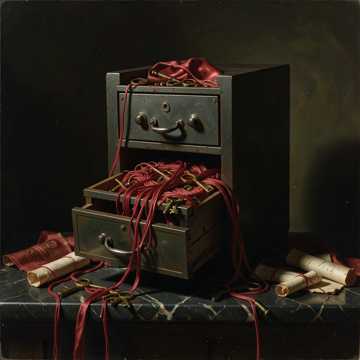
Red Thread Files
A fast, pulse-driven instrumental that evokes surveillance rooms, hidden evidence, and converging clues. Staccato violins and muted ticking percussion create relentless urgency, while deep electronic bass sustains the tension. Its final expansion adds cinematic scale, making it effective for investigative, thriller, and broadcast storytelling.
03:58
2026-08-10
Ticking Percussion: Definition, Evolution, and Role in Modern Music
Ticking PercussionTicking Percussion Content refers to a rhythmic percussion style characterized by precise, repetitive, clock-like pulses, sharp transient sounds, and carefully controlled rhythmic patterns. The technique often uses instruments such as muted hi-hats, woodblocks, claves, clickers, electronic sequencers, mechanical samples, and processed percussive textures to create a sense of movement, tension, precision, or anticipation. The origins of Ticking Percussion can be traced to early experimental percussion music and minimalist composition, where composers explored repetition, phase patterns, and rhythmic structures. In the 20th century, artists in avant-garde, electronic, and cinematic music expanded these ideas by incorporating mechanical sounds, synthesizers, and digital production techniques. Today, Ticking Percussion has become an important production element in electronic music, film scoring, game soundtracks, and atmospheric compositions, valued for its ability to establish momentum and create immersive rhythmic environments.
Ticking Percussion Sub-tags and Classifications: Exploring Different Rhythmic Styles
Mechanical Ticking Percussion
Ticking Percussion OverviewMechanical Ticking Percussion focuses on industrial and machine-like rhythmic sounds, often resembling clocks, gears, switches, or automated systems. This classification is commonly used in cinematic suspense music, science-fiction soundtracks, and experimental electronic compositions to create futuristic or technological atmospheres.
Minimal Ticking Percussion
Minimal Ticking Percussion uses sparse, repetitive rhythmic patterns with subtle variations. Inspired by minimalist composers, this style emphasizes gradual development, hypnotic repetition, and small rhythmic changes that create emotional depth without overwhelming other musical elements.
Electronic Ticking Percussion
Electronic Ticking Percussion combines digital drum machines, synthesizers, sequencers, and processed samples to create highly precise rhythmic textures. It is widely used in techno, ambient, synthwave, and modern electronic production.
Cinematic Ticking Percussion
Cinematic Ticking Percussion is designed for storytelling and dramatic impact. It often features escalating pulses, layered clicks, and rhythmic tension-building patterns used in trailers, action scenes, and emotional film sequences.
Organic Ticking Percussion
Organic Ticking Percussion uses acoustic instruments such as woodblocks, claves, muted drums, and hand percussion to create natural ticking rhythms. This approach brings warmth and human performance characteristics to repetitive rhythmic structures.
Ambient Ticking Percussion
Ambient Ticking Percussion blends subtle rhythmic clicks with atmospheric textures, pads, and soundscapes. It is frequently used in relaxation music, immersive audio experiences, and experimental sound design.
Famous Artists and Works Related to Ticking Percussion Music
Steve Reich
Steve Reich is one of the most influential minimalist composers associated with repetitive rhythmic structures. Works such as 'Music for Pieces of Wood' and 'Clapping Music' demonstrate how simple percussive patterns can evolve into complex musical experiences, influencing modern Ticking Percussion techniques.
Steve Reich - Music for Pieces of Wood
This minimalist percussion composition demonstrates the power of repetitive wooden percussion patterns. The work uses interlocking rhythms and gradual rhythmic shifts, creating a hypnotic ticking effect that highlights precision and subtle transformation.
Brian Eno
Brian Eno contributed to ambient and experimental music by exploring subtle repetition, texture, and electronic sound design. His approach influenced Ambient Ticking Percussion by showing how small rhythmic details can create immersive musical landscapes.
Hans Zimmer - Inception Soundtrack
The soundtrack of Inception features powerful rhythmic pulses and repeating motifs that function similarly to cinematic Ticking Percussion. The precise rhythmic structures create psychological tension and reinforce the film's themes of time and perception.
Hans Zimmer
Hans Zimmer frequently uses pulse-based percussion and rhythmic ostinatos in cinematic scores. His work demonstrates how ticking-like rhythmic elements can generate suspense, urgency, and emotional intensity in film music.
Brian Eno - Music for Airports
Although primarily ambient, this work influenced Ticking Percussion through its use of slow-moving patterns, repetition, and carefully placed sonic details. It demonstrates how minimal rhythmic elements can create emotional and spatial experiences.
Trent Reznor and Atticus Ross
Through their electronic film scores and industrial-inspired production, Trent Reznor and Atticus Ross expanded the use of mechanical percussion, distorted rhythms, and digital ticking textures in modern cinematic music.
Aphex Twin - Selected Ambient Works
Aphex Twin's electronic compositions showcase intricate programmed rhythms and detailed sound processing. The precise clicks, pulses, and fragmented percussion techniques became influential in electronic Ticking Percussion production.
Aphex Twin
Aphex Twin explored complex electronic rhythms and unconventional percussion programming. His experimental approach helped shape electronic interpretations of precise, fragmented, and synthetic Ticking Percussion.
Application Scenarios of Ticking Percussion Music
Ticking Percussion is widely used in movie soundtracks to create suspense, countdown effects, emotional tension, and futuristic atmospheres. A repeating ticking rhythm can represent time pressure, psychological conflict, or an approaching event.
Movie Soundtracks
Brands use Ticking Percussion in advertising music to create memorable rhythmic identities. Its precise and energetic patterns can communicate innovation, technology, reliability, and modern design.
Advertising Music
Game composers use Ticking Percussion to enhance gameplay tension, especially in strategy games, puzzle games, sci-fi adventures, and action sequences where rhythm supports player immersion.
Video Game Background Music
Cinematic Ticking Percussion is frequently used in trailers to build anticipation. Gradually intensifying ticking sounds can lead into dramatic drops, orchestral impacts, and emotional climaxes.
Film Trailers
Producers incorporate Ticking Percussion into techno, ambient, synthwave, and experimental electronic genres to create rhythmic movement and unique sonic textures.
Electronic Music Production
Soft Ambient Ticking Percussion can provide gentle rhythmic grounding in relaxation music, sound therapy environments, and immersive background audio experiences.
Meditation and Ambient Audio
Ticking Percussion works well in technology demonstrations, documentaries, and science presentations because its mechanical qualities suggest precision, innovation, and futuristic concepts.
Technology and Science Presentations