Free Urdu Influence Music Generator Powered by AI
Turn text into high-quality Urdu Influence music effortlessly – no login required!

music.toolTips
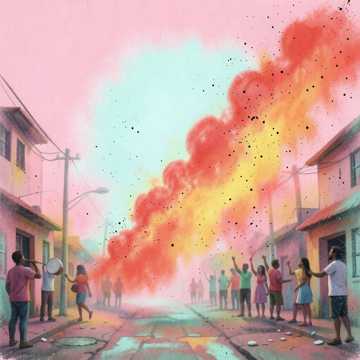
Hasan Aaye Scene
Yeh gaana Hasan ki karishmaayi aamad aur uske asar ka jashn hai. Uski muskurahat, junoon aur roshan andaaz se rukta hua waqt phir chal padta hai, logon ke dil judte hain aur poora mahaul ek bade, yaadgaar celebration mein badal jaata hai.
03:09
Invalid date

जाविया ए नज़र
यह ग़ज़ल दृष्टिकोण, प्रेम, धैर्य और इंसानियत के मूल्यों पर केंद्रित है। रसूल की शिक्षाओं से प्रेरित होकर गीत आत्मसंयम, निष्कपट करुणा और बेहतर कर्मों के माध्यम से सोई हुई चेतना को जगाने का संदेश देता है।
03:31
Invalid date
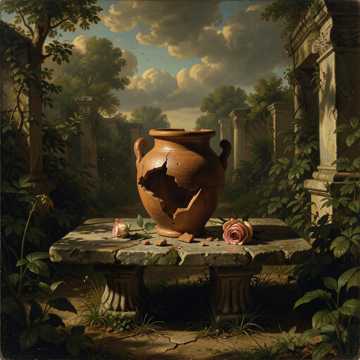
Teri Yaad Ka Vaada
यह गीत प्रेम-विरह और अटूट भरोसे की कहानी कहता है। प्रिय से दूरी के बावजूद गायक उसकी यादों में जीता है और पुनर्मिलन की आशा थामे रखता है। कोमल अंतरे, उठती हुई धुन और भावुक कोरस गीत को सिनेमाई गहराई देते हैं।
03:10
Invalid date
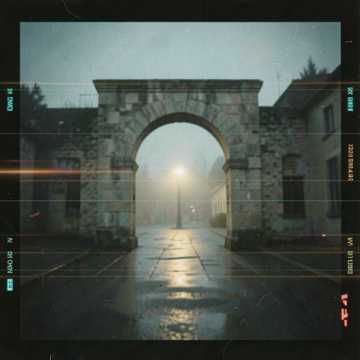
Maana
Maana ek aise shakhs ki kahani hai jo gham, kismat aur Khuda ki khamoshi ke beech apne wajood ko samajhne ki koshish karta hai. Ishq uske liye ek tohfa bhi hai aur doori, intezaar aur bechaini ka sabab bhi.
03:50
2 days ago

Rhythm
यह रचना तबले की चंचल और दोहरावदार लय पर आधारित एक सम्मोहक काव्यात्मक प्रयोग है। निरर्थक ध्वनि-सिलेबल्स के बीच नरगिस, मस्ती, प्रेम और आश्चर्य की छवियां उभरती हैं, जिससे गीत लोक-लय, सूफियाना आकर्षण और रहस्यमय भाव का अनुभव कराता है।
00:44
Invalid date

Khwaab Tere
यह गीत टूटे हुए प्रेमी की उस भावनात्मक यात्रा को व्यक्त करता है, जिसमें यादों से बचने की कोशिश, जीवन की निरर्थकता और भीतर बचा हुआ प्रेम धीरे-धीरे लौटने की उम्मीद में बदल जाता है।
03:14
5 days ago

आआआआ
यह गीत प्रेम में पूरी तरह खो जाने, प्रिय की यादों में जीने और उसके साथ जीवन बिताने की गहरी इच्छा व्यक्त करता है। पुरुष स्वर, बॉलीवुड की भावुक धुन और उर्दू-अरबी रंगत मिलकर इसे समर्पित प्रेम का मधुर एहसास बनाते हैं।
03:14
5 days ago
Urdu Influence: Language, Poetry, and Musical Expression
Urdu Influence in music refers to the use of Urdu language, poetic traditions, vocal aesthetics, literary imagery, and South Asian musical conventions within a song or composition. Rather than describing one fixed musical genre, Urdu Influence is a broad cultural and stylistic tag that can appear in ghazal, qawwali, film music, pop, folk, classical, semi-classical, indie, rock, electronic, and contemporary fusion. A defining characteristic is the close relationship between words and melody: Urdu poetry is known for sophisticated metaphors involving love, longing, separation, memory, beauty, spirituality, and philosophical reflection, giving Urdu-influenced music a particularly lyrical character. The historical foundations of Urdu Influence developed through centuries of cultural exchange in the Indian subcontinent, where Persian, Arabic, Turkic, and local South Asian linguistic and musical traditions interacted. Urdu poetry became especially important in literary and courtly culture during the Mughal and post-Mughal periods, while poetic forms such as the ghazal found natural musical expression. Qawwali and other Sufi traditions also contributedUrdu Influence Content Generation devotional vocabulary, poetic symbolism, improvisational singing, and emotionally escalating performance techniques. During the twentieth century, radio, recording technology, cinema, and television carried Urdu poetry and Urdu-language songs to much larger audiences across South Asia and its diaspora. Film composers and playback singers combined Urdu lyricism with Hindustani classical music, folk melodies, orchestral arrangements, jazz, rock, and later electronic production. Today, Urdu Influence continues to evolve through Pakistani pop, Coke Studio-style fusion, independent music, hip-hop, electronic production, global collaborations, and reinterpretations of ghazal and qawwali traditions.
Urdu Influence Sub-tags and Musical Classifications
Urdu Ghazal
Urdu Ghazal is one of the most recognizable forms associated with Urdu Influence. It places exceptional importance on poetic expression, frequently exploring love, separation, memory, mortality, desire, and philosophical ambiguity. Musically, ghazal performances often favor expressive vocals, restrained tempos, melodic ornamentation, and arrangements featuring instruments such as harmonium, tabla, sitar, sarangi, flute, violin, and guitar. Modern ghazal recordings may also incorporate synthesizers, orchestral strings, and contemporary studio production while preserving the intimate relationship between Urdu verse and melody.
Urdu Qawwali and Sufi Influence
This classification connects Urdu Influence with the broader South Asian qawwali and Sufi musical tradition. Urdu verses may appear alongside Persian, Punjabi, Hindi, Braj, and other languages. Typical musical features include powerful lead vocals, call-and-response passages, harmonium, handclaps, percussion, repetition, improvisation, and gradual increases in intensity. The poetry commonly addresses divine love, spiritual longing, devotion, surrender, and mystical symbolism. Contemporary artists frequently adapt these techniques into rock, pop, orchestral, and electronic arrangements.
Urdu Film Music
Urdu Film Music describes the strong influence of Urdu vocabulary and poetic songwriting on South Asian cinema, particularly the musical traditions of Pakistani cinema and Hindi-Urdu film songwriting. Romantic ballads, tragic songs, philosophical compositions, and elaborate cinematic numbers have frequently drawn on Urdu's literary vocabulary. This form of Urdu Influence is highly adaptable because Urdu lyrics can be combined with Hindustani classical melodies, Western orchestration, jazz harmony, folk rhythms, rock instrumentation, and electronic production.
Urdu Pop
Urdu Pop applies Urdu-language songwriting to accessible contemporary structures such as verse-chorus arrangements, memorable hooks, electric guitars, keyboards, synthesizers, programmed drums, and modern production. The style expanded significantly through Pakistani pop and rock scenes and later through digital platforms. Compared with traditional ghazal, Urdu Pop generally emphasizes concise song structures and immediate melodies, although many performers continue to borrow poetic vocabulary and romantic imagery from older Urdu traditions.
Urdu Rock and Alternative
Urdu Rock and Alternative music combines Urdu lyrics with electric guitars, bass, drums, atmospheric production, and influences ranging from classic rock to progressive and alternative music. Artists have used this combination to address romance, identity, spirituality, social experience, and introspection. The contrast between the literary qualities of Urdu and the physical energy of rock instrumentation gives this branch of Urdu Influence a distinctive emotional range.
Urdu Classical and Semi-Classical Fusion
This form of Urdu Influence connects Urdu poetry with Hindustani classical and semi-classical techniques. Performances can feature raga-based melodic ideas, improvisation, intricate ornamentation, controlled vibrato, extended vocal phrases, tabla patterns, and instruments such as sitar, sarangi, harmonium, and flute. Thumri, dadra, ghazal, and related approaches often overlap in performance practice, producing music that balances formal melodic sophistication with the expressive requirements of Urdu poetry.
Contemporary Urdu Fusion
Contemporary Urdu Fusion combines Urdu lyrics and traditional South Asian musical references with electronic music, ambient textures, indie pop, hip-hop, jazz, rock, funk, and global production techniques. Acoustic instruments such as tabla, dholak, harmonium, rubab, flute, and strings may coexist with synthesizers, electric guitars, samples, and programmed beats. This classification demonstrates how Urdu Influence can function as a cultural and lyrical identity without being restricted to a historical genre.
Urdu Indie and Singer-Songwriter
Urdu Indie emphasizes intimate songwriting, understated arrangements, and contemporary interpretations of Urdu lyricism. Acoustic guitar, piano, ambient electronics, soft percussion, and minimalist production are common. The style often translates themes traditionally associated with Urdu poetry, including longing, distance, nostalgia, vulnerability, and unfulfilled love, into the language of modern independent music.
Famous Artists and Classic Works with Urdu Influence
Mehdi Hassan
Mehdi Hassan is one of the defining voices of modern ghazal singing and an essential reference for understanding Urdu Influence in music. Celebrated for performances such as "Ranjish Hi Sahi" and "Gulon Mein Rang Bhare," he brought extraordinary melodic control, careful diction, classical training, and emotional restraint to Urdu poetry. His recordings helped establish the ghazal as both a sophisticated literary-musical form and a widely appreciated popular listening tradition.
Ranjish Hi Sahi
Famously associated with Mehdi Hassan and based on poetry by Ahmed Faraz, "Ranjish Hi Sahi" is a landmark example of Urdu ghazal singing. Its power comes from the interaction between poetic longing and controlled musical development. Rather than relying on a large or rhythmically aggressive arrangement, the performance gives the words space to unfold. Repeated phrases acquire new emotional weight through changes in vocal emphasis and melodic ornamentation, making the work a strong illustration of the text-centered character of Urdu Influence.
Nusrat Fateh Ali Khan
Nusrat Fateh Ali Khan became internationally renowned for qawwali and helped introduce South Asian Sufi vocal traditions to global audiences. His repertoire crossed linguistic boundaries and included Urdu alongside Punjabi, Persian, and other poetic traditions. Performances such as "Tumhe Dillagi Bhool Jani Padegi" demonstrate his ability to develop a poetic phrase through improvisation, repetition, rhythmic acceleration, and extraordinary vocal intensity. His collaborations and international recordings also helped establish a model for later Urdu Influence fusion.
Gulon Mein Rang Bhare
Mehdi Hassan's celebrated interpretation of Faiz Ahmed Faiz's "Gulon Mein Rang Bhare" demonstrates the close relationship between modern Urdu poetry and ghazal performance. The imagery of spring, memory, absence, and longing is supported by measured melodic phrasing and a restrained arrangement. The song is significant because it shows how sophisticated literary poetry can become musically immediate without sacrificing ambiguity or linguistic elegance.
Jagjit Singh
Jagjit Singh played a major role in making the modern ghazal accessible to broad audiences. His recordings frequently used elegant Urdu poetry with relatively streamlined arrangements, warm vocals, guitar, strings, keyboards, and restrained percussion. Works including "Hothon Se Chhu Lo Tum" and his numerous recorded ghazals helped connect literary songwriting with modern recording aesthetics, influencing generations of listeners and performers.
Chupke Chupke Raat Din
"Chupke Chupke Raat Din," famously performed by Ghulam Ali, is an enduring example of Urdu ghazal aesthetics. The composition allows the poetry to remain central while the singer uses melodic ornamentation and subtle variations to illuminate individual phrases. Its combination of memorable melody, literary language, and classical-influenced vocal technique demonstrates why ghazal is one of the most important classifications within Urdu Influence.
Abida Parveen
Abida Parveen is renowned for powerful interpretations of Sufi poetry across Urdu, Sindhi, Punjabi, Persian, and other linguistic traditions. Her performances emphasize spiritual intensity, melodic improvisation, repetition, and a commanding vocal presence. Her work illustrates how Urdu Influence can interact with Sufi philosophy and regional musical traditions rather than functioning as a narrowly defined language-based genre.
Tumhe Dillagi Bhool Jani Padegi
Nusrat Fateh Ali Khan's celebrated performance of "Tumhe Dillagi Bhool Jani Padegi" illustrates the dramatic architecture associated with qawwali. Musical ideas are repeated, expanded, improvised upon, and intensified rather than simply moving through a conventional pop structure. The expressive delivery transforms poetic ideas about love and emotional experience into a communal and increasingly powerful musical journey. This approach has strongly influenced contemporary Sufi fusion and cinematic music.
Ghulam Ali
Ghulam Ali is a major figure in ghazal performance whose work combines Urdu poetry with sophisticated melodic interpretation and strong grounding in classical music. Songs such as "Chupke Chupke Raat Din" are notable for graceful phrasing, nuanced ornamentation, and the careful presentation of poetic text. His style demonstrates the central role that subtle melodic variation plays in traditional Urdu Influence.
Sayonee
Junoon's "Sayonee" became a major reference point for Pakistani rock and Sufi-rock fusion. Electric guitars and a strong rock rhythm section coexist with South Asian melodic gestures and spiritually suggestive lyrical expression. The track demonstrated that Urdu Influence could function effectively within a modern rock framework, opening space for later artists to combine regional poetic identities with international popular-music formats.
Junoon
Junoon helped popularize a form of South Asian rock often described as Sufi rock, combining electric guitar, rock rhythm sections, regional musical references, and spiritually or poetically oriented lyrics. Songs such as "Sayonee" became influential examples of how Urdu and related South Asian lyrical traditions could coexist with large-scale rock production, helping broaden the possibilities of modern Urdu Influence.
Pasoori
"Pasoori" by Ali Sethi and Shae Gill represents a contemporary approach to Pakistani fusion, mixing South Asian melodic and lyrical sensibilities with modern pop production and globally accessible rhythmic elements. Its multilingual character means it should not be classified as purely Urdu music; instead, it demonstrates the broader environment in which Urdu Influence interacts with Punjabi and other regional linguistic traditions. Its international popularity highlights how South Asian poetic and musical aesthetics can travel through streaming platforms without requiring a strictly traditional arrangement.
Atif Aslam
Atif Aslam represents a contemporary strand of Urdu Influence shaped by pop, rock, film music, and acoustic ballad traditions. His expressive vocal style and extensive repertoire of Urdu and Hindi-Urdu songs have helped bring South Asian romantic songwriting to international audiences. His work illustrates how Urdu lyrical aesthetics remain compatible with polished modern pop production.
Ali Sethi
Ali Sethi has contributed to renewed international interest in Urdu poetry, ghazal aesthetics, and South Asian musical heritage through contemporary arrangements and cross-cultural collaborations. His interpretations of traditional material and modern songs connect poetic phrasing with classical, folk, pop, and electronic influences. "Pasoori," performed with Shae Gill, is an especially prominent example of contemporary Pakistani music reaching a global digital audience while drawing on regional language, melody, and musical identity.
Application Scenarios for Urdu Influence Music
Urdu Influence is especially effective in movie soundtracks involving romance, separation, memory, historical drama, spirituality, or emotional introspection. A ghazal-inspired arrangement can create intimacy during a reflective scene, while qawwali-influenced vocals, percussion, and repetition can support moments of spiritual intensity or dramatic emotional release. Contemporary productions can combine Urdu lyrics with orchestral strings, piano, ambient sound design, and electronic elements for a cinematic but culturally rooted atmosphere.
Movie Soundtracks
Urdu Influence music can serve as an emotionally recognizable theme for television series and streaming dramas. Romantic Urdu vocals can reinforce relationships between characters, while poetic lyrics concerning loss, destiny, and memory can deepen recurring dramatic themes. Instrumental adaptations of the main melody can also function as character motifs or transitional background music.
Television and Streaming Drama
Brands seeking an elegant, emotional, nostalgic, or culturally South Asian identity can use Urdu Influence in advertising music. Soft vocals, acoustic instrumentation, poetic phrasing, tabla, harmonium, flute, and strings can support campaigns centered on family, heritage, festivals, travel, fashion, jewelry, hospitality, or storytelling. Modern electronic production can make the sound more contemporary while retaining recognizable Urdu-inspired lyrical or melodic qualities.
Advertising and Brand Films
Urdu Influence can contribute to game environments inspired by South Asian cities, historical settings, poetic narratives, or mystical themes. Instrumental arrangements featuring harmonium, flute, strings, tabla, and atmospheric textures can create contemplative exploration music. For climactic narrative sequences, qawwali-inspired rhythmic escalation and layered vocals can create intensity, while ghazal-inspired melodies can accompany emotional dialogue or character memories.
Game Background Music
Documentaries about South Asian history, migration, literature, cities, cultural identity, and artistic traditions can use Urdu Influence to establish a meaningful sonic context. Sparse instrumental arrangements are particularly useful when narration must remain clear. Ghazal-inspired melodic fragments can suggest literary heritage, while Sufi-influenced textures can complement discussions of devotional culture and historical exchange.
Documentaries and Cultural Media
Because love and longing occupy such important places in Urdu poetic traditions, Urdu Influence works naturally in wedding films, romantic montages, proposals, and ceremonial content. Contemporary Urdu pop can provide an uplifting atmosphere, while ghazal-inspired songs can create intimate and reflective moments. Instrumental versions are useful when creators want emotional warmth without competing with dialogue.
Wedding and Romantic Content
Urdu Influence can complement fashion films, jewelry campaigns, perfume advertising, and luxury visual storytelling. Refined vocals, strings, subtle percussion, and classical ornamentation can suggest elegance and heritage. Producers can also combine traditional melodic gestures with ambient or electronic beats to create a modern South Asian luxury aesthetic suitable for runway videos and editorial campaigns.
Fashion and Luxury Visuals
Urdu Influence is particularly suitable for poetry readings, literary podcasts, audiobooks, and spoken-word projects because of its historical connection with Urdu verse. Minimal harmonium, piano, flute, strings, or ambient textures can provide an expressive background without overwhelming spoken language. Ghazal-inspired instrumental motifs are especially effective for content dealing with love, memory, exile, identity, and nostalgia.
Podcasts, Poetry, and Literary Projects
Travel films and cultural videos focusing on Pakistan, North India, historic architecture, old-city environments, cuisine, crafts, or South Asian heritage can use Urdu Influence as part of their musical storytelling. Folk and classical instruments can emphasize tradition, while modern fusion arrangements can better suit fast-paced urban travel videos and contemporary destination campaigns.
Travel and Heritage Content
Short films, online videos, social media campaigns, and experimental multimedia projects can reinterpret Urdu Influence through lo-fi beats, electronic textures, hip-hop rhythms, indie arrangements, or sampled acoustic instruments. This approach is useful when creators want the emotional and poetic identity associated with Urdu music while maintaining a contemporary sound. The flexibility of Urdu Influence allows producers to move between intimate ghazal-inspired moods, energetic pop, atmospheric electronic music, and powerful Sufi-inspired climaxes.
Modern Fusion and Digital Content