Free Viola da Gamba Music Generator Powered by AI
Turn text into high-quality Viola da Gamba music effortlessly – no login required!

music.toolTips
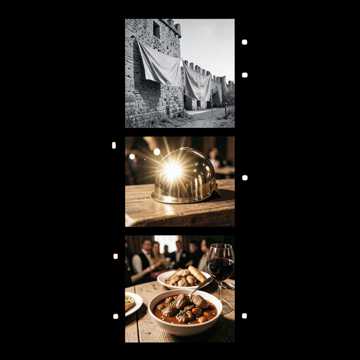
04b_Il Trionfo del Bellina, per il Pontifex
Un cavaliere sconfigge l'arroganza e conquista l'ammirazione di Isabella, del Conte e del Papa. Tra acclamazioni, simboli d'acciaio, cappelletti e vino, la vera gloria diventa la pace condivisa, celebrata come ponte tra rigore romano e anima romagnola.
01:43
42 minutes ago
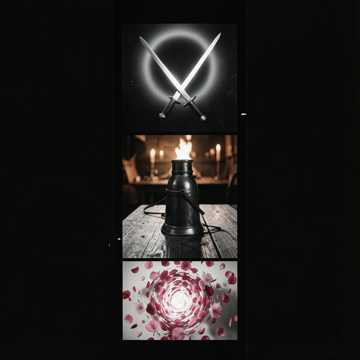
02b_L'Eco della Ghirlandosa
Dommènicus d’Ammìra Bellìna affronta il gigantesco Fiaccolìno per sanare una frattura politica in Romagna. Guidato dal giudizio di Antoniàrdo, trasforma la Ghirlandòsa in un turbine elegante e letale, dando inizio a una sfida cavalleresca carica di tensione, nobiltà e destino.
03:49
1 days ago
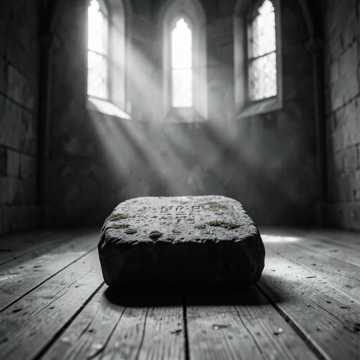
Cripta de 1677
Evoca una ceremonia íntima en un monasterio español del siglo XVII. Su pulso lento en3/2, modo dórico, cuerdas apagadas, instrumentos pulsados y resonancia pétrea construyen una atmósfera austera, histórica y contemplativa, sin voces ni coro.
03:54
2 days ago
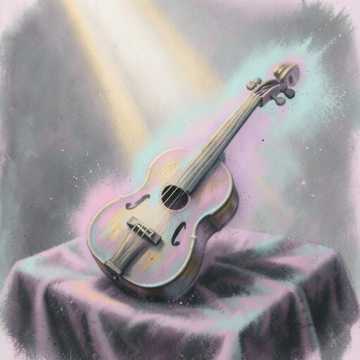
Leyenda de 1677
Una danza cortesana de aire barroco que revive el esplendor de1677 mediante melodías modales, cuerdas antiguas, vihuela, órgano y percusión sutil. Su viaje sonoro pasa de la solemnidad íntima a una expansión majestuosa, antes de regresar a un cierre contemplativo.
03:00
2 days ago
01b_La Ghirlandosa in Romagna
Nella Romagna rinascimentale, il cavaliere Dommènicus e Antoniàrdo accettano dal Conte Valeriàni la missione di affrontare il temibile Raimòndo Squàrcia-lalància senza spargere sangue. Tra ironia, orgoglio e politica, la Ghirlandòsa diventa simbolo di grazia, autorità e imminente conflitto.
06:25
2 days ago
Rising Shadows
‘Rising Shadows’ blends moody orchestral rock with electric intensity, narrating a journey from darkness to triumph.
03:42
2024-08-25
Introduction to Viola da Gamba: History, Definition, and Origins
The Viola da Gamba, also known as the 'viol', is a bowed string instrument prominent in European music from the Renaissance to the Baroque period. Unlike the modern violin family, it has frets and is held between the legs, producing a warm, resonant, and expressive tone. Originating in Spain and Italy in the late 15th century, the Viola da Gamba evolved through the 16th and 17th centuries, gaining prominence in royal courts and chamber music settings. Its unique timbre and versatility made it a central instrument in both solo and ensemble compositions, influencing the development of classical string instruments and early music traditions.
Viola da Gamba Sub-tags and Classifications
Treble Viola da Gamba
The Treble Viola da Gamba is the smallest member of the viol family, often tuned in fourths with a third in the middle. It is agile, bright in tone, and ideal for intricate melodic passages. Historically, it was used in both solo repertoire and as the upper voice in consort music.
Viola da Gamba SEO ContentTenor Viola da Gamba
The Tenor Viola da Gamba is mid-sized and serves as a bridge between the Treble and Bass viols. It offers a rich, balanced tone suitable for both melodic and harmonic roles. The tenor was a standard instrument in consort ensembles and chamber music.
Bass Viola da Gamba
The Bass Viola da Gamba is the largest and lowest-pitched viol. Its deep, sonorous sound makes it essential for harmonic foundation in ensembles. Bass viols often perform continuo roles in Baroque compositions and were frequently featured in sacred and court music.
Lyra Viol
The Lyra Viol is a specialized form of the bass viol that flourished in 17th-century England. It is played with multiple stopped strings and chords, often in tablature notation, making it ideal for solo expressive repertoire and improvisational music.
Division Viol
The Division Viol refers to bass viols used for playing divisions—ornamented variations—over a ground bass. This style emphasizes virtuosic, improvisatory technique and was popular in Baroque England and continental Europe.
Famous Artists and Works Related to Viola da Gamba
Marin Marais
A French composer and virtuoso of the Bass Viola da Gamba in the 17th century. His works, including the 'Suites for Viola da Gamba', significantly expanded the instrument's technical and expressive possibilities.
Marin Marais – Suites for Viola da Gamba
Marais’ suites demonstrate the expressive range of the Bass Viola da Gamba, combining lyrical melodies, rich harmonies, and virtuosic divisions. His work showcases the instrument’s capacity for both introspective solo performance and ensemble collaboration.
Carl Friedrich Abel
An 18th-century German composer and performer, Abel was renowned for his lyrical compositions for the Viola da Gamba. He bridged the Baroque and Classical styles, creating expressive solo and chamber works.
J.S. Bach – Triple Concerto in G major, BWV 1064
Although originally composed for violins, the Viola da Gamba often features in historically informed performances of this concerto. Its mellow tone blends beautifully with strings and harpsichord, highlighting Baroque contrapuntal textures.
Jordi Savall
A modern Spanish virtuoso, conductor, and musicologist who revived Viola da Gamba performance in contemporary classical music. Savall has performed and recorded numerous Renaissance and Baroque works, bringing historical performance practice to global audiences.
Christopher Simpson – The Division Viol
This foundational work for bass viol provides elaborate instructions on playing divisions and improvisatory techniques. It remains a key reference for performers seeking authentic Baroque ornamentation and expressive execution on the Viola da Gamba.
Christopher Simpson
An English composer and theorist, known for his treatise 'The Division Viol', which provided detailed instruction on ornamentation, improvisation, and performance techniques for the Bass Viola da Gamba.
Application Scenarios for Viola da Gamba Music
The Viola da Gamba is frequently used in historical and fantasy film scores to evoke a sense of antiquity, sophistication, or emotional depth. Its warm, resonant tones are ideal for dramatic or introspective scenes.
Film and TV Soundtracks
In video games, Viola da Gamba music enhances immersive historical settings or fantasy worlds. Its expressive character provides a unique atmosphere for exploration, narrative sequences, and emotional storytelling.
Video Game Music
The Viola da Gamba’s distinctive sound can lend elegance and refinement to advertising campaigns, particularly those featuring luxury, heritage, or artisanal products.
Advertising Music
Viola da Gamba ensembles perform in modern concert halls, early music festivals, and chamber music settings, offering audiences authentic Baroque and Renaissance repertoire with historically informed performance practices.
Concert and Chamber Performances
The instrument’s mellow and soothing tones are ideal for relaxation, meditation, and ambient music projects, creating a contemplative and calming atmosphere.
Meditative and Ambient Music