Free plainchant Music Generator Powered by AI
Turn text into high-quality plainchant music effortlessly – no login required!

music.toolTips
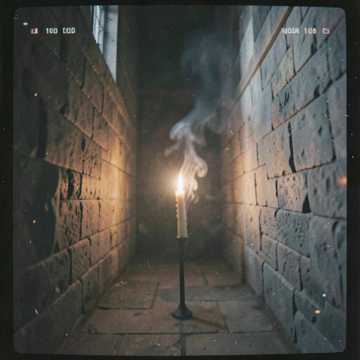
Lumen In Tenebris
A solemn instrumental plainchant-inspired work that moves through slow modal phrases, breath-like pauses, and resonant stone-chamber ambience. Its expanding unison refrain and low drone create a meditative vision of sacred light within darkness.
03:28
3 days ago

Prayer 2
A solemn, meditative chant of prayer, invoking divine mercy and grace through five sacred prayers. The song explores themes of faith, spiritual healing, and intercession, presented with a Gregorian chant style and deep male vocals.
03:05
2024-11-18
Introduction to Plainchant: Definition andPlainchant SEO Content History
Plainchant, also known as Gregorian chant, is a form of unaccompanied, monophonic (single melodic line) sacred music of the Christian Church. It developed in the early Middle Ages, around the 9th and 10th centuries, and was used primarily in liturgical settings, particularly during Mass and the Divine Office. Plainchant has its origins in the chant traditions of the early Christian Church, influenced by Jewish synagogue music and Greco-Roman musical practices. The most notable form of Plainchant is Gregorian chant, named after Pope Gregory I, who is often credited with organizing and standardizing the chant repertoire. Over the centuries, Plainchant evolved to include various regional styles and variants but remained an essential part of the liturgical music tradition.
Sub-tags and Classifications of Plainchant
Gregorian Chant
Gregorian chant is the most well-known and widely performed form of Plainchant. It is characterized by its smooth, flowing melodic lines, typically sung in Latin and performed in unison. Gregorian chant is named after Pope Gregory I, who played aPlainchant Music Overview significant role in its development and standardization in the 6th century. Its melodies were designed to enhance the liturgical text and create a serene, meditative atmosphere in the Church.
Ambrosian Chant
Ambrosian chant is a distinctive chant tradition originating in Milan, Italy. It developed independently of Gregorian chant, with its own unique melodies, rhythms, and liturgical practices. Named after St. Ambrose, the Archbishop of Milan in the 4th century, this chant form is still used in the Ambrosian Rite today. It differs from Gregorian chant in its use of more varied melodic structures and specific regional rituals.
Mozarabic Chant
Mozarabic chant is a style of Plainchant that developed in the Iberian Peninsula during the early Middle Ages. It blends Roman liturgical traditions with local Visigothic influences. While less commonly performed today, Mozarabic chant offers a unique look into the diverse regional chants that existed alongside Gregorian chant. Its melodies are often more complex and incorporate distinct rhythmic elements.
Byzantine Chant
Byzantine chant refers to the sacred music tradition of the Eastern Orthodox Church, primarily used in the Byzantine Rite. Though distinct from Western Plainchant, Byzantine chant shares the monophonic structure and use of sacred texts. It is notable for its elaborate vocal ornamentation and use of a specific modal system known as the 'eight modes.'
Famous Artists and Classic Works Related to Plainchant
Hildegard von Bingen
Hildegard von Bingen was a 12th-century German abbess, mystic, and composer known for her compositions of Plainchant. Her works, such as 'O vis aeternitatis' and 'Ave generosa,' are some of the earliest known compositions by a female composer and represent a significant contribution to the Gregorian chant tradition. Her works are known for their soaring melodies and profound spiritual depth.
Dies Irae
The 'Dies Irae' (Day of Wrath) is a famous Gregorian chant that dates back to the 13th century. It is part of the Requiem Mass and expresses the fear and awe of the final judgment. The chant is notable for its intense, mournful melody and its depiction of the day of reckoning, making it a staple in both sacred and secular depictions of death and judgment in Western culture.
Guido of Arezzo
Guido of Arezzo was an 11th-century Italian music theorist and composer, best known for his contributions to the development of Plainchant notation. His creation of the 'Guidonian hand' and the development of staff notation revolutionized the way Gregorian chant was taught and preserved, allowing it to be more widely performed and studied.
Veni Creator Spiritus
The 'Veni Creator Spiritus' (Come, Creator Spirit) is an important Pentecostal hymn in Gregorian chant. This chant is sung during the liturgical feast of Pentecost and invokes the Holy Spirit. The melody is expansive and uplifting, designed to enhance the sense of divine inspiration and the arrival of the Holy Spirit.
Pope Gregory I
Pope Gregory I, often regarded as the 'father' of Gregorian chant, played a pivotal role in its organization and standardization during his papacy in the 6th century. Although he did not compose Gregorian chant himself, his efforts in compiling and spreading the chant repertoire had a lasting impact on its development across the Christian world.
Salve Regina
The 'Salve Regina' (Hail, Queen) is a Marian antiphon that has been part of the Gregorian chant tradition for centuries. It is typically sung at the end of Compline and offers praise to the Virgin Mary. The chant's gentle, flowing melody reflects its reverence and veneration of Mary as a mother figure and spiritual intercessor.
Application Scenarios of Plainchant in Modern Media
Plainchant, particularly Gregorian chant, is often used in movie soundtracks to create a sense of reverence, mysticism, or solemnity. For instance, the chant 'Dies Irae' has been featured in films like 'The Shining' and 'The Seventh Seal' to underscore themes of death, fate, and the supernatural. The use of Plainchant in these contexts helps evoke a deep emotional response from the audience, connecting the ancient liturgical music to modern storytelling.
Movie Soundtracks
Plainchant has also found a place in advertising, where its spiritual and meditative qualities are used to evoke a sense of timelessness or divine inspiration. Brands seeking to associate themselves with qualities such as purity, solemnity, or tradition may use Gregorian chant to underscore their message. For example, advertisements for luxury products or wellness services may incorporate Plainchant to suggest a connection with higher ideals.
Advertising Music
In the realm of video games, Plainchant has been utilized to enhance the atmospheric and narrative qualities of games. Games like 'Dark Souls' and 'Bloodborne' employ elements of Gregorian chant to create a sense of ancient mystery and high-stakes drama. The music's minimalistic nature and emotional resonance make it ideal for use in these settings, where the player's experience is often heightened by a deep, immersive soundtrack.
Video Game Soundtracks