Free shamisen Music Generator Powered by AI
Turn text into high-quality shamisen music effortlessly – no login required!
music.toolTips
Shogun Geisha 22
異国にいる語り手が、富士山から沖縄へ連なる記憶と祖先の声をたどり、日本への切実な帰属を歌う。哀切なフォークから緊迫した旋律へ移ろい、自由、痛み、大地の引力を映画的に浮かび上がらせる。
03:54
2026-08-10
Shogun
異国にいる語り手が、日本の山河、母の祈り、先祖の記憶へと心を帰らせる物語。富士山から沖縄までを結ぶ自由への希求を、哀切な民謡性と激しい世界音楽のリズムで描く。
04:14
2026-08-10
Taiko Apex
An instrumental J-pop EDM anthem that transforms traditional Japanese textures into a modern festival peak. Shamisen, taiko, bamboo flute, and koto frame a high-impact128 BPM drop driven by sidechained leads, syncopated bass, rising pads, and celebratory chant-like hooks.
03:04
2026-08-08
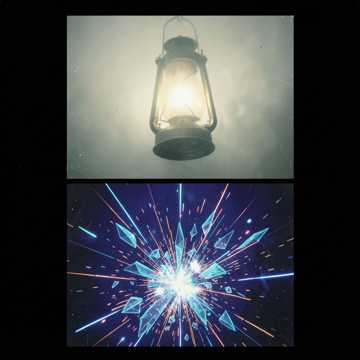
Lantern Burst
A bright, high-velocity instrumental that captures the exhilarating chaos of a bullet-hell arcade run. Erratic swung rhythms, glitch piano, plucked textures, rapid drum edits, and soaring synth jumps create a playful yet intensely focused electronic surge.
03:13
2026-08-07
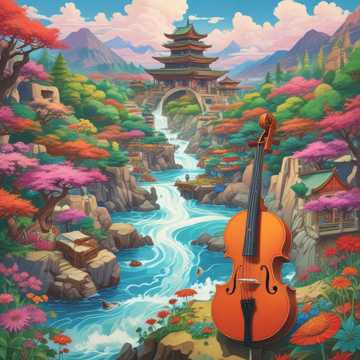
Winds of Fire
A vibrant blend of Japanese influences and glam rock energy, 'Winds of Fire' by Suno AI captivates with its anime piano and shamisen, delivering a playful and upbeat melody.
01:14
2024-08-11

Somber Jade
A mesmerizing blend of Japanese harp and rock, 'Somber Jade' by Suno AI evokes an ethereal, dreamy atmosphere akin to an anime outro.
00:04
2024-08-11
Introduction to Shamisen: Definition and History
The shamisen is a traditional Japanese three-stringed musical instrument played with a plectrum called a bachi. Originating from the Chinese instrument, the sanxian, the shamisen made its way to Japan during the 16th century. Initially popularized in the Osaka and Kyoto regions, it became an integral part of various Japanese music genres, including folk music, narrative singing (joruri), and the kabuki theater. Over centuries, the shamisen has evolved in design and playing techniques, becoming a symbol of Japanese musical heritage.
Shamisen Sub-tags and Classifications
Jiuta Shamisen
Jiuta shamisen is commonly used in traditional Japanese chamber music. It is characterized by its delicate and sophisticated playing style, often accompanying singing in a style known as Jiuta. This form blends both instrumental and vocal music, emphasizing the intricate techniques of shamisen playing.
Tsugaru Shamisen
Tsugaru shamisen originates from the Tsugaru region in Aomori Prefecture. Known for its powerful and fast-paced playing style, it features improvisation and rhythmic complexity. Tsugaru shamisen has gained popularity for its dynamic performances and has influenced contemporary music genres.
Nagauta Shamisen
Nagauta shamisen is primarily used in kabuki theater and traditional dance music. It accompanies the narrative singing style called nagauta, which translates to 'long song.' The music is lively and rhythmic, enhancing the dramatic elements of kabuki performances.
Minyo Shamisen
Minyo shamisen is associated with Japanese folk music (minyo). This style is often more straightforward and accessible compared to other shamisen forms. It plays a vital role in regional festivals and celebrations, providing a musical backdrop to traditional dances and songs.
Famous Artists and Classic Works Related to Shamisen
Takashi Hirayasu
Takashi Hirayasu is a renowned shamisen player known for blending traditional Okinawan music with modern influences. His works, such as the album 'Hana,' showcase his innovative approach to shamisen, incorporating elements of blues and folk music.
Rokudan no Shirabe
Rokudan no Shirabe is a classic piece in the Jiuta repertoire. Composed by Yatsuhashi Kengyo in the 17th century, it is a six-sectioned piece that highlights the elegant and intricate playing techniques of the shamisen. Each section, or 'dan,' offers a unique melodic and rhythmic pattern, making it a staple in traditional Japanese music.
Yoshida Brothers
The Yoshida Brothers, Ryoichiro and Kenichi Yoshida, are famous for their modern take on Tsugaru shamisen. Their fusion of traditional shamisen with contemporary music genres has brought international recognition to the instrument. Notable works include 'Rising' and 'Storm.'
Tsugaru Jongara Bushi
Tsugaru Jongara Bushi is one of the most famous pieces in the Tsugaru shamisen repertoire. Known for its fast tempo and complex rhythms, it showcases the virtuosity of the shamisen player. The piece is often performed in competitions and concerts, symbolizing the dynamic and powerful nature of Tsugaru shamisen.
Shamisen Katoh
A master of nagauta shamisen, Shamisen Katoh has significantly contributed to preserving and promoting traditional Japanese music. His performances in kabuki theater and recordings like 'Nagauta Classics' have been instrumental in keeping the art form alive.
Application Scenarios for Shamisen Music
Shamisen music is often used in movie soundtracks to evoke a traditional Japanese atmosphere. Films like 'Memoirs of a Geisha' and 'The Last Samurai' feature shamisen to enhance the cultural authenticity and emotional depth of their scenes.
Movie Soundtracks
In advertising, shamisen music is utilized to create a unique and memorable sound that connects with Japanese heritage. Commercials for brands like Toyota and Shiseido have used shamisen melodies to convey a sense of tradition and elegance.
Advertising Music
Video games such as 'Ghost of Tsushima' and 'Sekiro: Shadows Die Twice' incorporate shamisen music to enrich the gaming experience. The instrument's distinctive sound adds to the immersive, historical, and cultural settings of these games.
Game Background Music