Free tape haze Music Generator Powered by AI
Turn text into high-quality tape haze music effortlessly – no login required!

music.toolTips
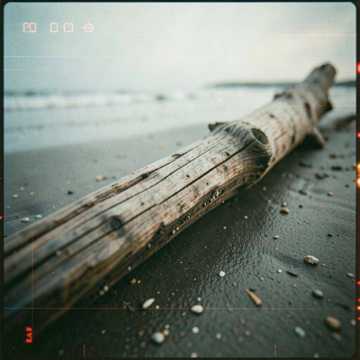
Driftwood Loop
A warm, intimate instrumental lo-fi journey built for seamless looping. Swung half-time drums, dusty Rhodes chords, soft sub pulses, filtered keys, bell accents, airy pads, vinyl crackle, and tape haze create a relaxed atmosphere suited to studying, unwinding, journaling, or quiet nighttime reflection.
03:03
Invalid date
Tape Haze: Definition, Origins, History, and Sonic Identity
Tape Haze is best understood as a production aesthetic and musical tag rather than a formally standardized genre. It describes music shaped by the warm, blurred, imperfect character associated with analog tape, cassette recording, tape saturation, degraded loops, wow and flutter, hiss, soft distortion, reduced high frequencies, and atmospheric noise. Tape Haze commonly overlaps with ambient, lo-fi, experimental electronic, chillout, vaporwave, hauntology, downtempo, lo-fi hip-hop, drone, and tape-loop music. The defining idea of Tape Haze is that technical imperfection becomes part of the musical expression: instead of pursuing a perfectly clean digital signal, producers use tape coloration, noise, compression, pitch instability, and repetition to create intimacy, nostalgia, distance, or dreamlike ambiguity. The aesthetic has roots in the broader history of magnetic-tape recording and experimental tape manipulation. Tape loops became particularly important in experimental and electronic composition, while cassette culture and inexpensive multitrack recorders later made degraded, home-recorded texturesTape Haze Overview accessible to independent musicians. In contemporary production, the Tape Haze sound can be created with physical cassette machines, reel-to-reel equipment, resampling, tape loops, or digital tape-emulation software. Modern sample culture has further established the term as a recognizable sound-design concept: for example, the Tape Haze sample-pack tradition emphasizes pitched, noisy, distorted, and tape-processed material, while contemporary ambient releases frequently use tape haze as a textural layer.
Tape Haze Sub-Tags and Classifications: Exploring the Main Variations
Cassette Haze
Cassette Haze is one of the most recognizable forms of Tape Haze. It emphasizes cassette-specific noise, restricted frequency response, saturation, mechanical instability, and sometimes exaggerated wow and flutter. The result is intimate and lo-fi, often suited to bedroom pop, ambient sketches, indie recordings, and nostalgic instrumental music.
Tape-Loop Ambient
Tape-Loop Ambient builds compositions from repeating fragments recorded onto magnetic tape. Loops may contain piano, guitar, synthesizer, field recordings, or environmental sounds. Small changes caused by tape wear, repetition, and timing imperfections gradually transform the material, making the passage of time itself part of the composition. William Basinski's tape-loop work is a major reference point for this approach.
Lo-Fi Tape Haze
Lo-Fi Tape Haze combines tape coloration with deliberately low-fidelity production. It is common in lo-fi hip-hop, chill beats, bedroom pop, and downtempo music. Dusty drums, muted samples, vinyl or cassette noise, soft saturation, and restrained high frequencies create a relaxed and nostalgic sonic environment.
Ambient Tape Haze
Ambient Tape Haze focuses less on rhythm and more on atmosphere. Long pads, drones, field recordings, piano fragments, sustained tones, and slowly shifting loops are softened with tape processing. The style works especially well when the goal is spaciousness, meditation, introspection, or cinematic stillness.
Hauntological Tape Haze
Hauntological Tape Haze uses degraded recordings and nostalgic sonic references to create the sensation of encountering fragments from a half-remembered past. Old broadcast textures, vintage samples, distant voices, ballroom recordings, tape hiss, and blurred melodies can suggest lost media, memory, history, or cultural ghosts. The Caretaker's work is a particularly influential example of this broader aesthetic.
Tape-Warped Electronica
This variation places electronic drums, synthesizers, samples, and digital sequences through tape-style processing. Pitch drift, saturation, filtering, looping, and degraded transients make precise electronic material sound more unstable and organic. It is particularly useful for experimental electronica, IDM-influenced ambient, downtempo, and nostalgic electronic music.
Dreamy Tape Haze
Dreamy Tape Haze emphasizes softness, romantic nostalgia, blurred harmonies, gentle vocals, and floating textures. Reverb and delay are often combined with tape saturation to make sounds feel distant or suspended in memory. The approach works naturally with dream pop, shoegaze-adjacent production, ambient pop, and cinematic soundscapes.
Tape Haze Lo-Fi Hip-Hop
This form combines the dusty warmth of tape with boom-bap or downtempo hip-hop foundations. Jazz samples, muted piano chords, crunchy drums, rounded bass, and subtle tape noise produce a head-nodding but relaxed aesthetic. Contemporary sample libraries explicitly associate Tape Haze with 1990s-inspired boom-bap, lo-fi hip-hop, dusty melodic loops, and tape-textured drums.
Experimental Tape Noise
Experimental Tape Noise treats the tape medium itself as an instrument. Artists may manipulate tape speed, splice physical loops, overload recording levels, reverse material, erase sections, or repeatedly copy recordings to generate unpredictable artifacts. The result can range from subtle textural ambience to harsh noise and abstract sound art.
Famous Artists and Classic Works Related to Tape Haze
William Basinski
William Basinski is one of the most important reference points for Tape Haze and tape-loop composition. His landmark series The Disintegration Loops emerged when he digitized older tape loops and discovered that the magnetic material was physically deteriorating during playback. The resulting music turns repetition, decay, hiss, and gradual loss of information into the central compositional process. The series was released between 2002 and 2003 and helped establish tape degradation as an emotionally powerful musical technique.
William Basinski — The Disintegration Loops
The Disintegration Loops is arguably one of the clearest artistic models for Tape Haze. Basinski's source material repeats while the tape itself deteriorates, causing individual musical details to disappear gradually. Instead of using degradation as an effect applied after composition, the physical breakdown of the medium becomes the composition. The listener hears repetition without exact repetition: each cycle is familiar but increasingly incomplete. This creates a profound sense of impermanence, memory, and loss. The project was recorded in 2001 and released across four albums in 2002–2003.
Boards of Canada
Boards of Canada are strongly associated with the nostalgic and analog-saturated side of the Tape Haze aesthetic. Mike Sandison and Marcus Eoin combine electronic composition with aged-sounding samples, analog processing, softened percussion, vocal fragments, and deliberately imperfect textures. Their music demonstrates how tape-like coloration can create a sense of childhood memory, faded media, and dreamlike nostalgia without abandoning rhythm or melody. Their production approach has been especially influential on ambient electronica and hauntological aesthetics.
Boards of Canada — Music Has the Right to Children
This landmark electronic album provides a foundational reference for the nostalgic side of Tape Haze. Its appeal comes from the combination of memorable electronic melodies with analog coloration, unusual sampling, softened percussion, vocal fragments, and an intentionally aged atmosphere. The music can feel simultaneously familiar and alien, like hearing a childhood television memory through a damaged cassette. Its influence demonstrates how lo-fi coloration can become part of an album's emotional identity rather than simply a technical limitation.
The Caretaker
The Caretaker, the project of James Leyland Kirby, represents a darker and more psychologically focused branch of Tape Haze. By manipulating old ballroom and orchestral recordings, Kirby creates music that sounds archival, distant, repetitive, and progressively degraded. An Empty Bliss Beyond This World is particularly relevant to Tape Haze because its old-record textures, looping, filtering, crackle, and fragmented memories transform historical recordings into an uncanny contemporary sound world.
The Caretaker — An Empty Bliss Beyond This World
An Empty Bliss Beyond This World transforms fragments of old 78-rpm ballroom recordings into a haunting meditation on memory. The source recordings are surrounded by crackle, clicks, filtering, echo, and repetition. As the album develops, fragments become increasingly obscured and fragmented, making the boundary between recognizable melody and abstract noise increasingly unstable. This technique makes Tape Haze function as a metaphor for memory itself: familiar material remains present while its details gradually become inaccessible.
Hainbach
Hainbach is an important figure in experimental electronic music and tape-based sound experimentation. His work demonstrates how tape machines, feedback, test equipment, loops, saturation, and unpredictable analog behavior can become compositional tools rather than merely recording technologies. His approach is especially relevant to the experimental and sound-design branches of Tape Haze.
William Basinski — 92982
92982 illustrates another side of Basinski's tape aesthetic: an extended, open-ended ambient structure in which loops and environmental sounds become a slowly evolving sonic environment. Its spaciousness and disembodied character show how Tape Haze does not need to be dominated by obvious cassette noise; subtle repetition, saturation, ambient detail, and imperfect loops can be enough to create the effect.
Grouper
Grouper, the project of Liz Harris, is frequently associated with the atmospheric side of lo-fi, ambient, and hazy recording aesthetics. Her music demonstrates how blurred vocals, guitar layers, room sound, reverb, noise, and reduced sonic clarity can intensify intimacy and emotional distance. This makes her work a useful reference for the dreamy and introspective side of Tape Haze.
Boards of Canada — The Campfire Headphase
The Campfire Headphase expands the Tape Haze vocabulary into a warmer, more organic direction. Its analog-saturated electronic production incorporates guitars and other organic elements, demonstrating how tape coloration can connect electronic music with folk, ambient, and psychedelic textures. The album's sound is less about obvious degradation than about creating a softened, sun-faded sonic image.
Philip Jeck
Philip Jeck's work is an important precursor and companion to the degraded-sample side of Tape Haze. His manipulation of records, loops, surface noise, repetition, and fragments of historical sound demonstrates how damaged or incomplete source material can be transformed into immersive electronic composition.
Tape Haze Application Scenarios: Film, Advertising, Games, and Creative Media
Tape Haze works especially well in films involving memory, nostalgia, psychological uncertainty, family history, adolescence, old photographs, archival footage, or passage of time. A lightly degraded piano loop can make a flashback feel intimate, while heavily processed tape loops can create unease in psychological or experimental cinema.
Film and Television Soundtracks
The imperfect texture of Tape Haze complements low-budget and art-house visual language because it can make a soundtrack feel handmade and personal. Minimal drones, cassette hiss, unstable piano, and fragmented samples can provide emotional continuity without overpowering dialogue.
Independent Films and Art-House Cinema
Tape Haze is useful for exploration games, mystery games, psychological horror, retro-inspired games, narrative adventures, and dreamlike environments. Developers can use looping ambient textures that gradually change, allowing the soundtrack to feel alive while maintaining a small memory footprint and unobtrusive musical presence.
Video Game Background Music
Tape Haze naturally supports games inspired by VHS, cassette culture, 1980s and 1990s home media, abandoned technology, old computers, or fictional archival recordings. Saturated synths, degraded samples, cassette hiss, and unstable pitch can immediately communicate an analog-era atmosphere.
Retro and Analog-Themed Games
Tape Haze can give advertising music a warm, human, nostalgic character. It is particularly suitable for campaigns involving heritage brands, photography, fashion, analog products, coffee, travel, creative technology, handmade goods, and lifestyle products. A subtle tape layer can make polished digital advertising sound less sterile and more emotionally memorable.
Advertising and Brand Identity
A short Tape Haze intro can establish a reflective, documentary, nostalgic, or underground identity before spoken dialogue begins. Low-level tape noise and a short loop can also act as a sonic signature between sections without requiring a large musical arrangement.
Podcast Intros and Spoken-Word Production
Tape Haze is effective for videos about vintage technology, photography, fashion, urban exploration, analog hobbies, personal diaries, travel memories, night drives, and aesthetic lifestyle content. The texture can provide an immediate retro or intimate identity even when the underlying composition is simple.
YouTube, Short-Form Video, and Social Media
Gentle Tape Haze can be used in background listening because its soft transients and restrained rhythmic activity can create a comfortable sonic bed. Slow ambient loops, muted drums, warm chords, and low-level hiss work particularly well for reading, studying, writing, late-night relaxation, and quiet work.
Study, Relaxation, and Ambient Playlists
Tape Haze can soften vocals and instruments while reinforcing the intimate character of bedroom production. Guitar, piano, synthesizer, and vocal tracks can be subtly saturated and filtered to create an emotionally close but slightly distant sound.
Dream Pop and Bedroom Pop
Tape Haze is particularly compatible with dusty drums, jazz samples, muted chords, warm bass, and slow or mid-tempo grooves. Tape processing can reduce harsh transients and give a beat a cohesive, worn-in character. Contemporary Tape Haze production resources explicitly position the aesthetic alongside boom-bap and lo-fi hip-hop.
Lo-Fi Hip-Hop and Chill Beats
Artists can use Tape Haze in galleries, museums, installations, and multimedia performances to explore themes of memory, technological obsolescence, archival media, repetition, deterioration, and time. Physical tape loops can also provide a visible connection between the sonic process and the material object.
Experimental Sound Art and Installation
A particularly effective application is the transition into a remembered or historical scene. Switching from clean contemporary audio to a narrower, noisier, tape-hazed sound can immediately signal that the audience has entered a memory, recording, dream, or recovered piece of media.
Game, Film, and Media Flashback Sequences