Free war aftermath Music Generator Powered by AI
Turn text into high-quality war aftermath music effortlessly – no login required!

music.toolTips
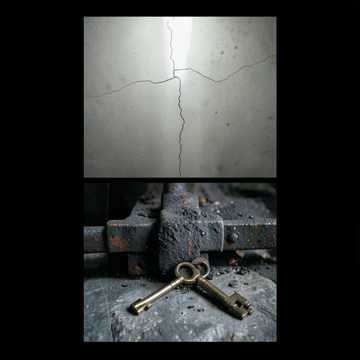
Під підлогою гуде залізо
Похмура пісня про двох людей, що проходять крізь руїни й механічний гул, відмовляючись віддати страху свій дім, пам'ять і право вистояти. Її сила не в тріумфі, а в мовчазній витримці.
02:59
6 days ago

The Winter Knows
A mournful community preserves the name of Valliantro after war, failed harvests, and displacement have erased its homeland. Through austere verses and a funereal chorus, the song explores inherited memory, cultural survival, grief, and hope without resolution.
03:15
2026-10-06

Before the break
A grieving ensemble confronts absence, survivor guilt, and memories of catastrophe. Jace seeks to undo the past, while Vraska offers presence instead of answers. Through layered voices and a gradually completed piano phrase, despair transforms into a fragile promise to build a less painful morning.
04:03
2026-09-28

БАБУСЮ, Я ЇДУ ДОДОМУ m
Інтимна блюзова історія бабусі, яка роками чекає звістки від зниклого онука. Пори року минають, чай холоне, а дім звикає до тиші. Несподіваний нічний дзвінок приносить коротке, але життєдайне: він живий і їде додому.
04:18
2026-09-16

ТУТ БУВ МІЙ ДІМ
Пісня розповідає про людину, яка залишається серед руїн свого дому, щоб зберегти його пам’ять. Самотність, примари минулого та повернення маленького супутника поступово перетворюють зруйноване місце на дім, бо його ще хтось пам’ятає.
04:26
2026-09-16
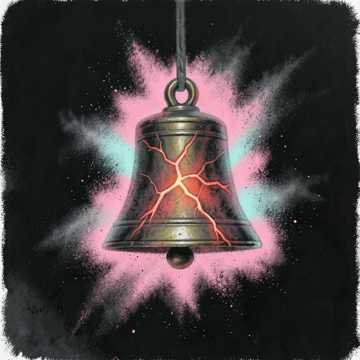
Последний огонь
Герой проходит через разрушенный мир, держась за голос близкого человека и обещание вернуться домой. Нежные воспоминания сменяются отчаянным рэпом, взрывным припевом и апокалиптическим хором. Последний огонь становится символом любви, памяти, внутренней стойкости и надежды, которая переживает катастрофу.
03:40
2026-09-11
Introduction to War Aftermath Music
War aftermath music is a genre that focuses on the emotional, psychological, and societal impacts following a conflict. This genre often explores themes of loss, recovery, and the rebuilding process. Originating in the aftermath of World War I, the genre has evolved over the decades, reflecting the changing nature of warfare and its consequences. Early examples include classical compositions that mourned the dead and celebrated the return of peace, while contemporary works span a range of styles and mediums, from orchestral pieces to electronic soundscapes.
Sub-tags and Classifications of War Aftermath Music
Classical War Aftermath Music
This sub-tag includes orchestral and symphonic works composed in response to the emotional and societal impact of war. Examples include Benjamin Britten's 'War Requiem' and Dmitri Shostakovich's 'Symphony No. 7'.
Modern War Aftermath Music
Encompassing a variety of contemporary genres, this sub-tag features music that incorporates modern elements like electronic and ambient sounds to convey the aftermath of war. Notable works include Max Richter's 'Sleep' and Jóhann Jóhannsson's 'Orphée'.
Film Scores and Soundtracks
Music created specifically for films that deal with the aftermath of war. These compositions often enhance the narrative by underscoring the emotional and dramatic elements of the story. Examples include Hans Zimmer's score for 'Dunkirk' and John Williams' soundtrack for 'Saving Private Ryan'.
Cultural and Ethnic War Aftermath Music
This sub-tag features music from specific cultures or ethnic groups that address the impact of war on their communities. Examples include traditional Balkan songs lamenting the Yugoslav Wars and modern Middle Eastern music reflecting the Arab Spring conflicts.
Famous Artists and Works Related to War Aftermath Music
Benjamin Britten
Britten's 'War Requiem' is a seminal work in the genre, combining the traditional Latin Requiem Mass with contemporary poetry by Wilfred Owen, a soldier killed in World War I. The piece is a powerful statement on the futility of war.
War Requiem by Benjamin Britten
This piece combines the Latin Requiem Mass with the poetry of Wilfred Owen. It juxtaposes the solemnity of traditional liturgical music with the raw emotion of Owen's war poetry, creating a profound commentary on the impacts of war.
Max Richter
Richter's work, particularly 'Sleep', has been influential in modern war aftermath music. His compositions often blend classical elements with electronic music to create immersive soundscapes that evoke a sense of reflection and recovery.
Symphony No. 7 by Dmitri Shostakovich
Known as the 'Leningrad Symphony', this work was composed during the Siege of Leningrad in World War II. It symbolizes resistance and resilience, with its powerful and evocative movements reflecting the struggle and eventual triumph of the human spirit.
Jóhann Jóhannsson
Jóhannsson's 'Orphée' and his score for the film 'The Theory of Everything' showcase his ability to convey deep emotional narratives through music, making significant contributions to the war aftermath genre.
Sleep by Max Richter
An eight-hour ambient piece designed to be listened to while sleeping, 'Sleep' reflects on themes of rest, recovery, and peace. Its minimalistic and repetitive structures create a meditative state, symbolizing the slow process of healing after trauma.
Hans Zimmer
Zimmer's work on 'Dunkirk' is a prime example of how film scores can capture the tension, chaos, and eventual calm following war. His innovative use of sound design and minimalistic compositions have set new standards in the genre.
Orphée by Jóhann Jóhannsson
This album draws on the myth of Orpheus, symbolizing loss and the search for consolation. Jóhannsson's use of strings, electronics, and voice creates a haunting and reflective atmosphere, fitting the war aftermath theme.
Application Scenarios for War Aftermath Music
War aftermath music is often used in film to underscore emotional scenes, heighten drama, and provide a deeper context to the narrative. Examples include the use of Britten's 'War Requiem' in 'Children of Men' and Zimmer's score in 'Dunkirk'.
Movie Soundtracks
In advertising, war aftermath music can be used to evoke a sense of nostalgia, resilience, and hope. Its emotional depth helps create a powerful connection with the audience, as seen in campaigns for charitable organizations and historical commemorations.
Advertising Music
Video games that deal with historical conflicts or post-apocalyptic scenarios often utilize war aftermath music to enhance the immersive experience. The music helps set the tone, build tension, and provide emotional depth to the gameplay.
Game Background Music
War aftermath music is frequently featured in ceremonies and events that honor the memory of those affected by conflict. Its solemn and reflective nature makes it suitable for creating a respectful and poignant atmosphere.
Memorial and Commemorative Events