Free Ancient Music Generator Powered by AI
Turn text into high-quality Ancient music effortlessly – no login required!

music.toolTips
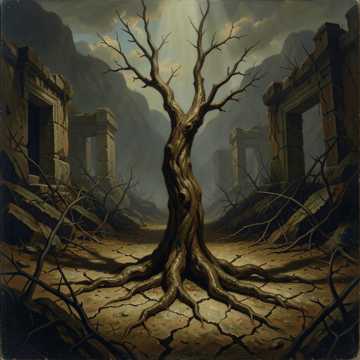
Isaiah 53
A reverent musical interpretation of Isaiah53, portraying the suffering servant as rejected, wounded, silent before judgment, and burdened with humanity's sins. Its unaccompanied Celtic choral style transforms prophetic grief into a haunting meditation on sacrifice, healing, justification, and ultimate spiritual triumph.
06:10
2026-08-17

Isaiah 53
A solemn sacred lament portraying the suffering servant as rejected, wounded, silent, and sacrificed for humanity's sins. Performed by an unaccompanied boy choir, the song moves from grief and condemnation toward healing, justification, intercession, and spiritual triumph.
07:07
2026-08-17

Isaiah 53
This solemn sacred song portrays the suffering servant as rejected, silent, wounded, and burdened with humanity’s sins. Its lone angelic boy voice transforms Isaiah’s prophecy into an intimate meditation on grief, sacrifice, healing, redemption, intercession, and ultimate spiritual victory.
06:15
2026-08-17
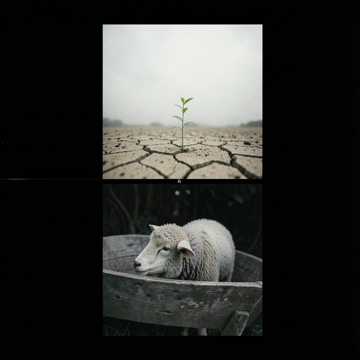
Isaiah 53
A solemn, scripture-inspired lament portraying the suffering servant as rejected, wounded, and silent before his accusers. Through sacrifice, endurance, and intercession, the song moves from grief and sin toward healing, justification, redemption, and ultimate triumph.
06:33
2026-08-17

Isaiah 53
This solemn scripture-based song portrays the rejected suffering servant who bears humanity’s grief, sin, and injustice. Its unaccompanied angelic boy vocal creates an atmosphere of innocence and sacred vulnerability, moving from sorrowful sacrifice toward justification, healing, triumph, and intercession.
07:20
2026-08-17

Sand of Clues
A haunted desert pursuit unfolds through footprints, hidden objects, fractured shadows, and ancient secrets. The song builds from whispered mystery into a breathless orchestral chase, ending with the night yielding to truth, revelation, and transformation.
05:02
2026-08-16
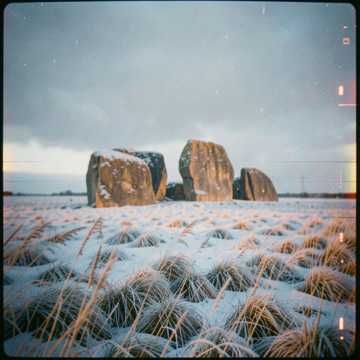
Guardians of Vernal Plains
An ancient, cinematic folk hymn honoring enduring white giants who guide their herds across the Vernal Plains. Through winter hardship and returning spring, the song presents them as sacred guardians of memory, nature, continuity, and communal strength.
03:33
2026-08-16

Steele
Steele evokes an ancient desert battlefield through brutal low-frequency drones, massive war drums, sparse ritual percussion, and a lone female voice. Its stark tension and ceremonial intensity suit dark fantasy, cinematic combat, ritual scenes, survival games, and vast nocturnal landscapes.
02:37
2026-08-16

Steele
Steele evokes an ancient desert battlefield through thunderous tribal percussion, subterranean bass, ominous low brass, ritualistic chants, and a piercing female wail. Its brutal yet majestic sound suggests war machines awakening beneath the sands, creating a cinematic atmosphere of impending apocalypse.
03:08
2026-08-16

Eagle Drum Circle
A slow ceremonial journey shaped by resonant hand drums, breathy wooden flute, rattles, distant wordless chants, and eagle calls. Sparse opening pulses gradually expand into fuller earthy layers, creating a warm, natural atmosphere suited to meditation, cultural storytelling, cinematic landscapes, spiritual reflection, and immersive relaxation.
03:00
2026-08-13

L6-2 What Remains
A solemn, unresolved meditation on time, death, memory, and impermanence. Through ancient imagery and restrained confession, the narrator accepts that kingdoms, identities, and even immortality decay, while questioning why one forgotten name remains preserved within the heart.
05:07
2026-08-13

Wenn die Sonne schweigt
Ein mystisches Rock-Epos erzählt von einer verstummten Sonne, einer drohenden Prophezeiung und fallenden Sternen. Zwischen Furcht und Staunen verwandelt sich die dunkle Nacht in einen Augenblick der Hoffnung, in dem Wünsche, Ewigkeit und uralte Stimmen miteinander verschmelzen.
04:41
2026-08-12
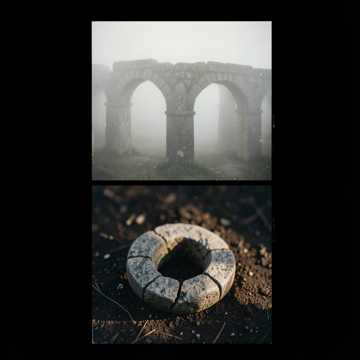
C3-2 What Remains
A detached witness reflects on time, death, memory, and the uncertain remnants of identity. Deep strings and pipe organ lead a slow, percussionless procession through recurring motifs, dissonant climaxes, and funeral bells, creating an unsettling meditation on impermanence and what the heart refuses to release.
06:00
2026-08-12

Mountain Thunder Call
A solemn instrumental ritual unfolds through deep taiko strikes, sparse silences, rolling percussion, and cavernous resonance. Its gradual ascent culminates in an imposing thunder-call, creating a sense of ancient ceremony, dread, and monumental natural power.
06:05
2026-08-10
GLORIA PATRI / SICUT ERAT
Lamentatio sacra in tempore ternario, quae doxologiam Latinam e tenebris ad magnum culmen ducit. Baritonus gravis et violinum quasi plorans dialogum instituunt, dum chordae profundae aeternitatem, memoriam et quietem extremam effingunt.
04:27
2026-08-10
VANUM EST VOBIS / SURGITE
Carmen sacrum dramaticum Psalmum127 meditatur: labor, vigilia et aedificatio sine Domino vana sunt. Baritonus inter ostinatum concitatum et silentium grave vocem humanam opponit custodiae divinae, mutans furorem laboris in spem quietam.
04:23
2026-08-10
Nisi Dominus
Psalmus127 in forma sacra et cinematica: vox baritoni inter chordas graves et bassoon declarat vanum esse laborem sine Deo. Textus Latinus et meditatio Anglica crescunt ab oratione obscura ad confessionem fiduciae, deinde ad Amen sollemne redeunt.
05:57
2026-08-10

LAhuta
Një interpretim instrumental i vetëm me lahutë tradicionale shqiptare. Fillon i errët e i ngadaltë, ngrihet përmes ornamentikës mikrotonale dhe goditjeve të ashpra të harkut drejt një kulmi krenar malor, pastaj përfundon me një dron të thellë e të pikëlluar.
03:03
2026-08-09
Sunshine
Sunshine portrays a fallen ruler haunted by lost power, failed love, and impending catastrophe. Ancient acoustic textures and deep, brooding vocals transform desert heat, fading memories, and seductive sin into a tragic meditation on delusion, regret, isolation, and shared destruction.
03:53
2026-08-08
Introduction to the Ancient Music Tag
Ancient music refers to the earliest forms of music known to humanity, encompassing a wide range of traditions and styles from different cultures and eras. Its origins can be traced back to prehistoric times, with the development of music being deeply intertwined with the evolution of human society. Ancient music often served religious, ceremonial, and entertainment purposes. The history of ancient music includes the musical practices of ancient civilizations such as Mesopotamia, Egypt, Greece, China, and India, each contributing to the diverse tapestry of ancient musical heritage.
Sub-tags and Classifications of Ancient Music
Prehistoric Music
Prehistoric music refers to the musical traditions that existed before written records. This includes the use of primitive instruments like flutes made from bird bones, percussion instruments, and vocalizations. Prehistoric music is largely speculative, but it is believed to have been used in rituals and for communication.
Ancient Egyptian Music
Ancient Egyptian music was integral to both religious and daily life. Instruments such as harps, lyres, and flutes were commonly used. Egyptian music was often associated with religious ceremonies, celebrations, and entertainment in the royal courts. The depictions of musicians in tombs and temples provide insight into the role of music in this ancient civilization.
Ancient Greek Music
Ancient Greek music is well-documented, with works of philosophers like Plato and Aristotle discussing its importance. Music in ancient Greece was closely linked to poetry and drama, often performed with the accompaniment of the lyre or aulos. The Greeks believed in the ethical and educational power of music, which played a key role in their cultural and religious practices.
Ancient Chinese Music
Ancient Chinese music has a rich history that dates back thousands of years. It was influenced by Confucian ideals, emphasizing harmony and balance. Traditional Chinese instruments like the guqin, pipa, and erhu were central to court music, rituals, and entertainment. Ancient Chinese music theory also laid the groundwork for the development of musical scales and notations.
Ancient Indian Music
Ancient Indian music, rooted in the Vedic traditions, is one of the oldest known musical traditions. The Vedas, ancient sacred texts, contain hymns that were chanted in specific melodies known as 'Sama Veda.' This tradition eventually evolved into the classical music forms of India, such as Carnatic and Hindustani music, with a strong emphasis on spiritual and philosophical themes.
Famous Artists and Works in Ancient Music
Homer (Ancient Greece)
Homer, the legendary ancient Greek poet, is often associated with the tradition of epic poetry, which was typically recited or sung with musical accompaniment. His works, such as 'The Iliad' and 'The Odyssey,' were performed with lyres, contributing significantly to the musical culture of ancient Greece.
The Hymns of the Rigveda (Ancient India)
The Rigveda, one of the oldest known texts, contains hymns that were chanted in specific melodies. These hymns are not only significant for their spiritual content but also for their influence on the development of Indian classical music. The melodic structures and rhythmic patterns seen in these hymns are foundational to later musical traditions in India.
Pythagoras (Ancient Greece)
Pythagoras, the ancient Greek philosopher, made significant contributions to music theory by exploring the mathematical relationships between musical notes. His discovery of musical intervals and the concept of harmony influenced the development of Western music.
The Song of Seikilos (Ancient Greece)
The Song of Seikilos is one of the oldest surviving examples of a complete musical composition, inscribed on a tombstone in ancient Greece. This piece is significant for its preservation of both lyrics and musical notation, offering insight into ancient Greek music theory and practice. The song's simple yet profound melody reflects the Greek belief in the close relationship between music and the human soul.
Confucius (Ancient China)
Confucius, the influential Chinese philosopher, emphasized the importance of music in maintaining social order and moral integrity. His teachings on music's role in society profoundly impacted the development of Chinese music, particularly in its ceremonial and educational functions.
The Hurrian Hymn No. 6 (Ancient Mesopotamia)
The Hurrian Hymn No. 6 is one of the oldest known pieces of music, discovered in the ancient city of Ugarit (modern-day Syria). This hymn, written in cuneiform on a clay tablet, provides valuable insight into the music of ancient Mesopotamia. The use of lyres and the modal scales in this composition highlight the sophisticated musical understanding of the time.
Bharata Muni (Ancient India)
Bharata Muni, the ancient Indian sage, is credited with authoring the 'Natyashastra,' an ancient treatise on the performing arts, including music. This work laid the foundation for Indian classical music, detailing the concepts of 'raga' (melodic framework) and 'tala' (rhythmic patterns).
Application Scenarios for Ancient Music
Ancient music is often used in movie soundtracks to evoke a sense of history, mysticism, or cultural depth. Films set in ancient times or those exploring themes of mythology and legend frequently incorporate ancient music to enhance the authenticity and atmosphere of the narrative.
Movie Soundtracks
Ancient music is commonly used in video games, particularly those set in historical or fantasy settings. The use of traditional instruments and scales helps create an immersive experience, transporting players to different eras or mystical worlds.
Video Game Background Music
Documentaries focusing on ancient civilizations or historical topics often use ancient music to complement the visuals and narration. This music helps to create a more engaging and educational experience, making history come alive for viewers.
Documentary Films
Ancient music is frequently performed at cultural festivals, historical reenactments, and heritage events. These performances aim to preserve and celebrate the musical traditions of ancient cultures, offering audiences a glimpse into the past.
Cultural Festivals and Reenactments