Free Anti-war Music Generator Powered by AI
Turn text into high-quality Anti-war music effortlessly – no login required!

music.toolTips
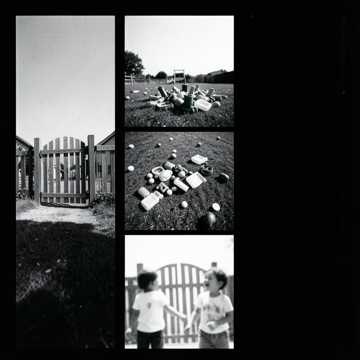
「문틀의 문」 (Das Tor im Gatter)
'문틀의 문'은 다섯 살 아이의 순수한 시선으로 대립과 전쟁이라는 '바보 같은 게임'을 거부하고, 함께 평화의 길을 만들어가는 희망을 노래하는 앰비언트 트랜스 포크 곡입니다.
04:14
24 days ago
Knackt euer BIOS
'Knackt euer BIOS' ist ein energischer, systemkritischer Crossover-Song. Er ruft zur Befreiung aus gesellschaftlichen Illusionen und kriegstreiberischen Strukturen auf. Mit einer kraftvollen Mischung aus Punk, Ska, Dubstep und barocken Motiven inspiriert das Werk zu Widerstand, geistiger Klarheit und echter Menschlichkeit.
04:21
24 days ago

Das Tor im Gatter
Das Lied erzählt aus der Perspektive eines fünfjährigen Kindes, das die Sinnlosigkeit von Machtspielen und Krieg versteht. Durch scharfsinnige Einfachheit, treibenden Punk-Ska und exotische Instrumente wird der Ausstieg aus Konflikten als mutiger, verbindender Akt menschlicher Solidarität gefeiert.
03:59
24 days ago

WENN DER KRIEG VORBEI IST
Eine eindringliche Antikriegssong-Ballade über Soldaten, die körperlich heimkehren, innerlich jedoch im Krieg gefangen bleiben. Der Text beleuchtet Trauma, Schuld, Entfremdung und die stille Last der Familien, während die Musik von zerbrechlicher Intimität zu einem überwältigenden, aber nicht triumphalen Finale wächst.
07:04
25 days ago

war is in the air
A tense classic rock song portraying the growing threat of war through urban night imagery, while urging listeners to reject fear and violence. Its hopeful final chorus transforms anxiety into resistance, compassion, and the belief that one voice can help change the future.
04:41
26 days ago

ХОЧУ ТИШІ
Пісня передає виснажене, але світле бажання повернутися додому — до дощу, чаю, кота, дерева й ранку без тривог. Це стримана сповідь про мир як найціннішу розкіш і про життя, що відновлюється через прості щоденні речі.
04:02
26 days ago

ДВА СВІТИ ПЕТРА
Петро живе між фронтом, де кожна мить сповнена ризику, і тихим світом бонсай, котів та ранкової кави. Пісня без героїзації говорить про найпростішу мрію — повернутися додому й знову вчитися жити.
05:50
27 days ago

Голод під прицілом
Пісня змальовує трагедію Олешків і лівобережжя Дніпра під окупацією: голод, холод, розлуку та постійний страх. Її скорботний роково-реповий настрій поступово переходить у промінь надії, віри у визволення, повернення синів і світанок на рідній землі.
02:53
29 days ago
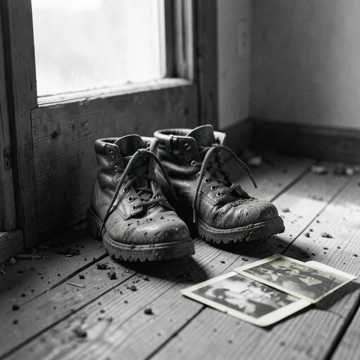
Keeping Poor Time
A soldier leaves a devastated homeland, while those waiting behind measure absence through letters, empty boots, and silence. Its restrained post-punk pulse turns war into intimate domestic grief, ending with lonely taps that cannot keep time.
03:17
2026-09-22

Siste øl og første sol
En rusten nattvise om å stanse volden før morgenen kommer. Fra slitne mennesker ved siste øl vokser en kollektiv beslutning om å velge livet, bygge videre og gå hjem sammen under den første solen.
03:05
2026-09-22

Once Upon a time in the magical land of Ardoria,
A symbolic whistle interrupts the war between Solara and Silver, inspiring soldiers to abandon violence, recognize their shared humanity, and rebuild battlefields into gardens and schools. Blending fantasy storytelling with folk celebration, the song champions personal choice, peace, and collective renewal.
06:42
2026-09-21

Legt die Waffen nieder
Das Lied ist ein feierlicher Friedensappell aus der Perspektive von Müttern, Kindern und Verwundeten. Sakraler Chorgesang, tiefe Orgelklänge und eine melancholische Mollharmonik tragen die Anklage gegen Krieg, während der leise Schluss Hoffnung, Gebet und eine offene Zukunft verbindet.
03:03
2026-09-21

Советский Гостинец! (+)
Une fresque folk-metal industrielle qui mêle imagerie militaire, satire sociale et dramatisation apocalyptique. Les voix masculine et féminine opposent autorité et fragilité, tandis que balalaïka, bayan, guitares et rythmes martiaux conduisent le morceau vers une conclusion explicitement pacifiste.
05:13
2026-09-21

002 - Frieden /stark
Der Song hinterfragt eine Moral, die Frieden beschwört und zugleich Gewalt rechtfertigt. Zwischen Grenzen, Flaggen und Befehlen verschwimmen Held und Feind. Über monotonen Industrial-Pulsen bleibt eine zentrale Frage: Ist Frieden mehr als die kurze Stille vor dem nächsten Krieg?
03:26
2026-09-18
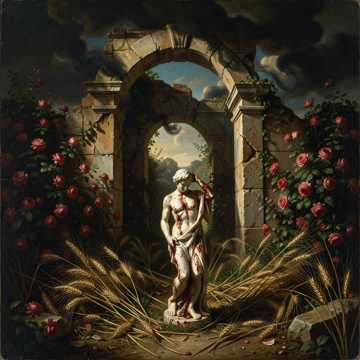
Paradise crippled by violence
A furious anti-war anthem portraying a world ruled by violent politicians, fear, and militarized control. Through relentless imagery of bloodshed, terror, and despair, the song challenges listeners to resist oppression rather than accept a corrupted paradise built on suffering.
03:27
2026-09-18

Paradise crippled by violence
A bleak, confrontational metal song portraying a world ruled by violent politicians, fear, war, and suffering. Its repeated paradise refrain becomes an ironic symbol of oppression, while the mid-tempo attack and female screams create a sense of rage, horror, despair, and defiant resistance.
03:37
2026-09-18
Мон ами, меняй и мир
Антивоенная композиция о потерях, страхе и человеческой солидарности. Герой отвергает культ славы и мести, призывая сохранять свет, помогать незнакомцам и начинать перемены с себя. Напряжённые куплеты сменяются мощным припевом, превращая личное признание в гимн миру.
03:08
2026-09-18

Zeit der Idioten
'Zeit der Idioten' ist ein mitreißender Reggae-Soul-Protestsong, der scharfe Kritik an globalem Machtwahn und Autoritarismus übt. Mit eingängigem Rhythmus und eindringlichen Lyrics ruft das Stück zu Menschlichkeit, Zivilcourage und Widerstand gegen Hass und Diktatur auf.
04:32
2026-09-17

love is what we neex
'Love is what we neex' is an inspiring soul ballad advocating for peace, empathy, and global unity. Through poignant lyrics and emotive melodies, it calls for laying down weapons and choosing compassion, reminding us that world transformation begins with love in every heart.
04:38
2026-09-17
Kneel in the Ashes
A funeral-paced doom metal protest song portraying poverty, war, exploitation, and collective resistance. Through crushing riffs and defiant vocals, the oppressed refuse submission, share their burdens, and rise together as the old social machine collapses around them.
06:05
2026-09-16
Introduction to Anti-war Music
Anti-war music is a genre of music that expresses opposition to war and violence, often highlighting the emotional, social, and political costs associated with conflict. This genre emerged as a prominent cultural force during the 20th century, particularly during periods of intense military conflict such as the Vietnam War. Historically, anti-war songs have been used as a form of protest, providing a voice for those who oppose war and seeking to raise public awareness about the consequences of warfare. From folk music to punk rock, and from the 1960s to the present day, anti-war music has evolved to include a variety of styles and messages, but its core aim remains the same: to advocate for peace and critique the destructiveness of war.
Sub-tags and Classifications of Anti-war Music
Folk Anti-war Music
Folk anti-war music emerged in the 20th century, with artists like Bob Dylan and Joan Baez leading the movement. This sub-genre is characterized by its use of acoustic instruments and simple, direct lyrics that convey powerful messages of peace and protest. Songs like 'Blowin’ in the Wind' by Bob Dylan and 'Where Have All the Flowers Gone?' by Pete Seeger exemplify the folk anti-war tradition, using storytelling and poignant imagery to criticize war and advocate for social change.
Rock Anti-war Music
Rock anti-war music gained prominence during the 1960s and 1970s, particularly during the Vietnam War era. Bands like Creedence Clearwater Revival, The Beatles, and Pink Floyd used their music to voice opposition to war and address broader social issues. Rock anti-war songs often feature electric guitars, driving rhythms, and lyrics that are both critical and introspective. 'Fortunate Son' by Creedence Clearwater Revival and 'Give Peace a Chance' by John Lennon are iconic examples of how rock music can be used as a vehicle for anti-war messaging.
Punk Anti-war Music
Punk anti-war music emerged in the late 1970s and early 1980s as a response to political turmoil and social injustice. Bands like The Clash, Dead Kennedys, and Crass used aggressive sounds and raw lyrics to express their disdain for war and militarism. This sub-genre is characterized by its fast tempos, short song lengths, and rebellious attitude. Songs like 'London Calling' by The Clash and 'Holiday in Cambodia' by Dead Kennedys exemplify the punk anti-war ethos, challenging authority and advocating for political and social change.
Hip-Hop Anti-war Music
Hip-hop anti-war music has become more prominent in the post-9/11 era, with artists using their platforms to speak out against wars in Iraq, Afghanistan, and elsewhere. Rappers like Mos Def, Talib Kweli, and Immortal Technique have released songs that address the human cost of war and the impact of military conflict on marginalized communities. This sub-genre often incorporates elements of storytelling, social commentary, and political critique, with tracks like 'Bin Laden' by Immortal Technique and 'War' by OutKast highlighting the complexities and consequences of modern warfare.
Famous Artists and Works of Anti-war Music
Bob Dylan
Bob Dylan is a pivotal figure in anti-war music, known for his profound lyrics and folk melodies that captured the spirit of the 1960s protest movements. His song 'Blowin’ in the Wind' became an anthem for peace and civil rights, asking questions about freedom, justice, and human rights. Dylan's work laid the foundation for future generations of artists to use music as a form of protest and social commentary.
Blowin’ in the Wind
Written by Bob Dylan in 1962, 'Blowin’ in the Wind' is one of the most iconic anti-war songs in music history. Its simple yet profound lyrics ask rhetorical questions about peace, freedom, and justice, resonating with listeners during the civil rights and anti-war movements of the 1960s. The song's timeless message and Dylan's emotive delivery have made it a lasting symbol of protest and hope.
John Lennon
John Lennon, former member of The Beatles, became a prominent anti-war activist in the 1970s. His solo work, particularly the song 'Imagine,' is celebrated for its hopeful vision of a world without war and conflict. Lennon's advocacy for peace extended beyond his music, as he actively participated in protests and used his celebrity status to promote anti-war messages.
Imagine
'Imagine' by John Lennon, released in 1971, is a powerful plea for world peace. The song's gentle piano melody and Lennon's soft vocals create a serene atmosphere, while the lyrics encourage listeners to envision a world without war, borders, or divisions. 'Imagine' has been widely embraced as an anthem for peace and remains one of the most influential anti-war songs of all time.
Joan Baez
Joan Baez is a folk singer and activist whose music has been deeply intertwined with the anti-war movement. Known for her clear soprano voice and acoustic guitar, Baez's songs like 'We Shall Overcome' and 'The Night They Drove Old Dixie Down' have been integral to protests and rallies. Her commitment to nonviolence and social justice has made her a lasting symbol of the anti-war movement.
Fortunate Son
Released by Creedence Clearwater Revival in 1969, 'Fortunate Son' is a protest song that criticizes the disparity between the privileged and the working-class soldiers sent to fight in the Vietnam War. The song's driving rhythm, fiery guitar riffs, and John Fogerty's passionate vocals convey a sense of urgency and anger, making it a powerful statement against war and social inequality.
The Clash
The Clash, a British punk rock band, is known for its politically charged lyrics and energetic performances. Songs like 'London Calling' and 'Rock the Casbah' reflect the band's anti-war stance and critique of militarism. The Clash's fusion of punk, reggae, and rockabilly created a unique sound that resonated with fans and became a powerful tool for expressing dissent.
War
'War,' originally performed by The Temptations and popularized by Edwin Starr in 1970, is a soul anthem that delivers a clear anti-war message. With its memorable chorus—'War, what is it good for? Absolutely nothing!'—the song combines powerful vocals with a catchy, danceable beat, making it both a protest song and a mainstream hit. 'War' has become synonymous with anti-war sentiment and continues to be relevant in discussions about conflict and peace.
Application Scenarios of Anti-war Music
Anti-war music is frequently used in film soundtracks to enhance the emotional impact of scenes depicting conflict, protest, or reflection on war's consequences. Movies like 'Forrest Gump,' which features tracks like 'Fortunate Son,' use anti-war music to underscore the personal and political dimensions of war, providing viewers with a deeper understanding of the characters’ experiences and the historical context.
Film Soundtracks
Documentaries that explore the realities of war, peace movements, or historical conflicts often incorporate anti-war music to underscore their message and evoke emotional responses from viewers. Songs like 'Blowin’ in the Wind' and 'Imagine' are commonly used in documentaries about the 1960s and 1970s, providing a musical backdrop that reinforces the themes of resistance and hope.
Documentaries
Some video games, particularly those that deal with themes of war and conflict, use anti-war music to add depth to their narratives and encourage players to reflect on the costs of warfare. Games like 'Spec Ops: The Line,' which challenges traditional portrayals of military heroism, may include anti-war songs to emphasize the moral complexities and emotional toll of combat.
Video Games
Brands and organizations that promote peace, social justice, or humanitarian causes sometimes use anti-war music in their advertising campaigns to align themselves with these values. By incorporating songs like 'Imagine' or 'War,' advertisements can create a powerful connection with audiences who share these ideals, using music to convey messages of unity, empathy, and change.
Advertising