Free Appalachian folk Music Generator Powered by AI
Turn text into high-quality Appalachian folk music effortlessly – no login required!

music.toolTips

The Clearing Is a Chapel
A solitary woman discovers sacred comfort in a forest clearing, where pines become pillars, birds and creek form a choir, and wind carries her quiet prayer. The intimate Appalachian arrangement turns nature into a chapel and stillness into a source of healing.
03:18
5 days ago

First Song for the Trees
A woman kneels in a silent forest and offers her first untrained song to the trees. Her voice becomes part of the woodland itself, carried by birds, wind, and memory in a tender meditation on nature, vulnerability, and spiritual belonging.
03:24
5 days ago
The Walk to the Pines
A woman leaves her town before dawn and follows an old road into the pines, seeking a place where her voice belongs to her alone. Through quiet wilderness imagery, the song becomes a haunting portrait of escape, self-possession, and finding home beyond familiar walls.
03:12
5 days ago
They Told Her Not to Sing
A woman forbidden to sing by her neighbors and preacher carries her voice into the forest. There, the pines preserve her hymn until her private act of resilience becomes a song the whole town can hear.
03:14
5 days ago
First Song for the Trees
A woman kneels in a quiet clearing and offers an untrained, heartfelt first song to the trees. Her voice travels through the forest, becoming part of its night, birds, wind, and lasting memory.
03:17
5 days ago
The Walk to the Pines
A solitary woman leaves town before sunrise and follows an old road into the pines, seeking freedom and a voice of her own. Through spring water, quiet trees, and open air, her departure becomes a spiritual homecoming and an act of self-possession.
03:07
5 days ago

They Told Her Not to Sing
A woman discouraged from singing by her neighbors and church retreats to the forest, where the pines receive her hymn without judgment. Her private voice gradually becomes part of the landscape, turning rejection into quiet resilience and communal release.
03:08
5 days ago

They Told Her Not to Sing
After being discouraged from singing at home and in church, a woman carries her hymn into the forest. There, the pines receive her voice, preserve it, and eventually carry it beyond the town as an act of quiet defiance.
03:07
5 days ago

They Told Her Not to Sing
A woman silenced by her neighbors and preacher finds refuge at the edge of a pine forest. Singing alone to wind, trees, and river, she transforms rejection into a private hymn that gradually carries beyond the town that tried to quiet her.
03:10
5 days ago

They Told Her Not to Sing
A restrained mountain ballad follows a woman silenced by her neighbors and church, who carries her song into the pine forest. There, wind and trees become her choir, preserving her hymn until the entire countryside hears her reclaimed voice.
03:00
6 days ago

They Told Her Not to Sing
A restrained Appalachian folk ballad about a woman whose singing is rejected by her community. She retreats to the pine forest, where nature becomes her choir, preserving and spreading her hymn until the town finally hears the voice it tried to silence.
03:08
6 days ago
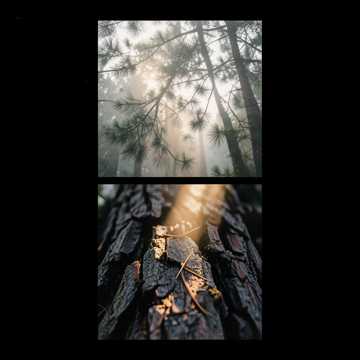
They Told Her Not to Sing
A woman silenced by her neighbors and church finds refuge singing among the pines. Through a raw, restrained Appalachian performance, nature becomes her choir, preserving her hymn until the forest carries her once-private song back to the town.
03:09
6 days ago
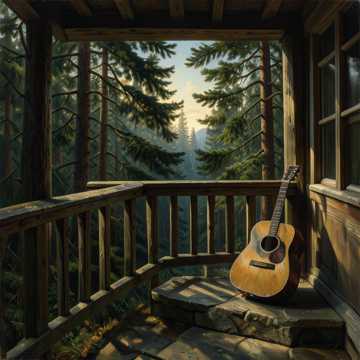
They Told Her Not to Sing
A weathered woman, discouraged by neighbors and church authority, retreats to the pine forest to sing. Nature becomes her choir, preserving and returning her hymn until the wind carries her once-private voice back toward the town, transforming suppression into quiet communal recognition.
03:14
6 days ago

They Told Her Not to Sing
A silenced woman carries her song beyond the town and into the pine forest, where nature becomes her choir. Through restrained vocals, sparse Appalachian instrumentation, and intimate imagery, the ballad transforms rejection into endurance, showing how an authentic voice can outlast judgment and return through the landscape.
03:06
6 days ago
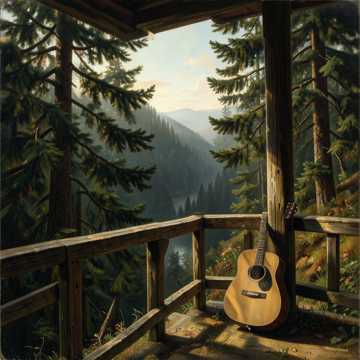
They Told Her Not to Sing
A restrained mountain ballad follows a woman whose voice is rejected by her town and chapel. She finds refuge among the pines, where nature preserves and amplifies her hymn until the song returns to the fields and the people who once silenced her.
03:19
6 days ago
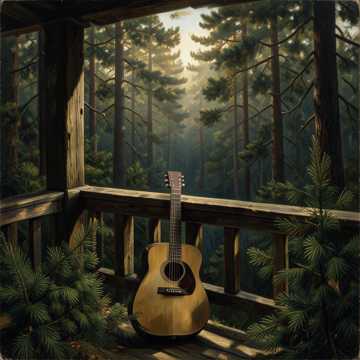
They Told Her Not to Sing
A restrained mountain ballad follows a woman whose voice is rejected by neighbors and church authority. She finds belonging among the pines, where wind and trees preserve her hymn until nature carries her once-suppressed song back toward the town.
03:09
6 days ago

They Told Her Not to Sing
A weathered woman retreats from judgment to the pine forest, where wind, trees, and river preserve her voice. Through restrained vocals and sparse Appalachian instrumentation, the song transforms silencing into quiet defiance, showing how personal truth can endure and spread beyond the walls that tried to contain it.
03:07
6 days ago
They Told Her Not to Sing
A restrained, intimate mountain ballad follows a woman whose singing is rejected by her neighbors and church. She retreats to the pine forest, where wind and trees become her choir. Through quiet resilience, her private hymn grows into a song carried across the valley.
03:09
6 days ago
They Told Her Not to Sing
A restrained Appalachian ballad about a woman whose voice is rejected by her community but welcomed by the forest. Singing to the pines, she transforms isolation into quiet defiance, and her private hymn ultimately travels beyond the trees to reach the town.
03:14
6 days ago
They Told Her Not to Sing
A silenced woman finds freedom singing among the pines. Rejected by neighbors and church authority, she turns nature into her choir, transforming private grief into a living hymn that eventually travels beyond the forest and reaches the town.
03:18
6 days ago
Introduction to Appalachian Folk Music
Appalachian folk music, also known simply as Appalachian music, refers to the traditional music of the Appalachian region in the United States. This genre of music originated from the folk songs and ballads brought to the Appalachian Mountains by early European settlers, primarily from the British Isles. Over time, it developed its own distinct sound, incorporating elements of African American music, including the use of the banjo. The history of Appalachian folk music is rich and diverse, reflecting the cultural melting pot of the region. Key characteristics include the use of traditional instruments like the fiddle, banjo, dulcimer, and guitar, and themes often revolve around daily life, love, and hardships.
Sub-tags and Classifications of Appalachian Folk Music
Old-Time Music
Old-time music is a genre that encompasses the traditional music of the Appalachian region. It is characterized by its use of acoustic instruments such as the fiddle and banjo, and it often features dance tunes and ballads. This style of music served as a precursor to bluegrass and country music.
Bluegrass
Bluegrass music, which emerged in the 1940s, is a sub-genre of Appalachian folk that incorporates elements of jazz and blues. It is known for its fast tempos, improvisation, and complex instrumental solos. The standard bluegrass ensemble includes the fiddle, banjo, guitar, mandolin, and upright bass.
Mountain Ballads
Mountain ballads are narrative songs that tell stories of historical events, personal experiences, and folklore. These ballads often have a simple, repetitive structure and are performed solo with minimal accompaniment, allowing the story to take center stage.
String Bands
String bands are groups that perform traditional Appalachian folk music using a combination of stringed instruments, such as the fiddle, banjo, guitar, and upright bass. This format was popular in the early 20th century and played a significant role in the development of country music.
Famous Artists and Works in Appalachian Folk Music
The Carter Family
The Carter Family is one of the most influential groups in the history of Appalachian folk music. Their recordings in the late 1920s and 1930s helped to popularize the genre. Notable works include 'Wildwood Flower' and 'Keep on the Sunny Side.'
The Cuckoo
An old-time folk song that has been a staple in Appalachian music. It features a haunting melody and simple yet poignant lyrics. Its use of the banjo and fiddle highlights the traditional instrumentation of the genre.
Bill Monroe
Known as the 'Father of Bluegrass,' Bill Monroe played a pivotal role in shaping bluegrass music, a sub-genre of Appalachian folk. His band, the Blue Grass Boys, set the standard for the bluegrass sound. Classic songs include 'Blue Moon of Kentucky' and 'Uncle Pen.'
Man of Constant Sorrow
This song, popularized by the film 'O Brother, Where Art Thou?,' is a classic example of a mountain ballad. Its lyrics speak of hardship and wandering, common themes in Appalachian folk music. The harmonies and instrumental arrangement reflect the genre's roots.
Doc Watson
Doc Watson was a legendary guitarist and singer known for his flatpicking style. He bridged the gap between traditional Appalachian music and contemporary folk. Some of his notable works are 'Deep River Blues' and 'Tennessee Stud.'
Wildwood Flower
Performed by the Carter Family, this song is iconic in the Appalachian folk canon. Its melody is based on a traditional British folk tune, and it features simple yet evocative lyrics. The song's enduring popularity highlights the timeless nature of Appalachian music.
Jean Ritchie
Jean Ritchie was a prominent figure in preserving and performing traditional Appalachian folk music. She is known for her dulcimer playing and for songs like 'The L&N Don't Stop Here Anymore' and 'Shady Grove.'
Pretty Saro
A traditional ballad that tells the story of unrequited love. The song's structure and lyrical content are typical of Appalachian ballads, and it has been covered by numerous artists, showcasing its lasting impact on the genre.
Application Scenarios for Appalachian Folk Music
Appalachian folk music is often used in movie soundtracks to evoke a sense of nostalgia, history, or rural life. For instance, the film 'O Brother, Where Art Thou?' features several traditional Appalachian songs, which help to set the period and regional tone of the movie.
Movie Soundtracks
The authentic and rustic sound of Appalachian folk music can be effectively used in advertising to convey themes of simplicity, tradition, and natural beauty. Advertisements for products like handcrafted goods, outdoor gear, or organic foods often utilize this genre to connect with their audience.
Advertising Music
In video games, Appalachian folk music can create an immersive atmosphere, particularly in games set in rural or historical settings. The use of traditional instruments and melodies helps to build a believable and engaging world for players.
Game Background Music
Appalachian folk music is a staple at many folk and bluegrass festivals, where it is celebrated for its historical significance and vibrant sound. These events help to preserve the genre and introduce it to new audiences.
Festivals and Cultural Events