Free Balalaika Music Generator Powered by AI
Turn text into high-quality Balalaika music effortlessly – no login required!

music.toolTips
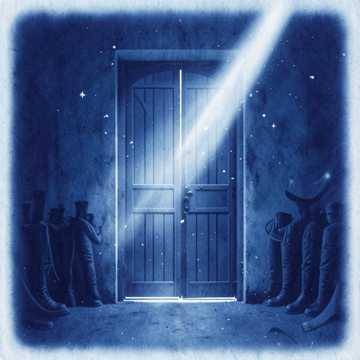
The Furn Judge
An authoritarian ruler enters a furnace-like tribunal where the dead, the records, and an advancing folk-march force him to confront the human cost of his reign. The song transforms judgment into a dramatic collision of military rock, Russian folk rhythm, and collective defiance.
03:31
Invalid date
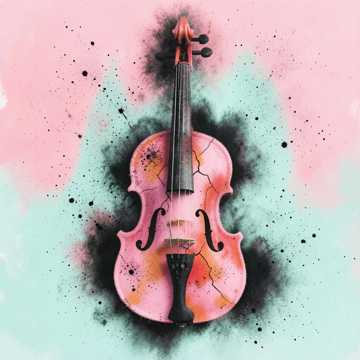
What If Stalin Walked Into
This provocative protest song imagines Stalin facing judgment in Hell, stripped of authority as the dead reclaim their voices. Its slow, ominous opening builds into a forceful rock march with folk instrumentation, pounding percussion, electric guitars, and communal vocals.
04:05
Invalid date
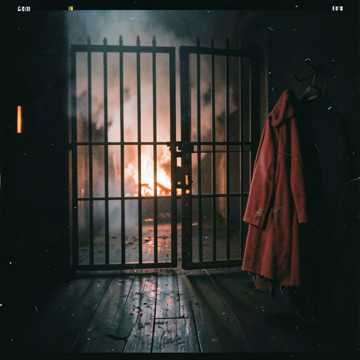
Where the Ledgers Burn
A condemned ruler enters an infernal hall and confronts the voices erased by his command. As folk-dance rhythms and marching rock intensify, the song frames justice as an unavoidable reckoning where silenced victims reclaim their names.
03:36
Invalid date
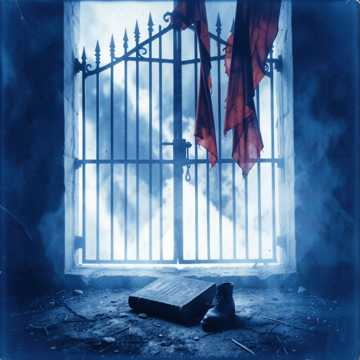
Boots in the Ash
A theatrical marching-rock anthem follows a fallen ruler into a realm where titles lose their power. Driven by brass, snare, balalaika-like strings, and bold vocals, the song transforms battlefield memory and grief into a collective refusal to obey tyranny.
03:06
Invalid date
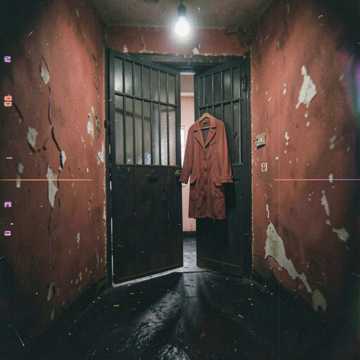
Welcome Below, Commander
A fallen commander enters a symbolic underworld and confronts the voices, names, and soldiers harmed by his rule. Soviet-era brass, balalaika color, stomping rock, and a forceful male vocal build a theatrical indictment of tyranny and a declaration of popular power.
03:18
Invalid date
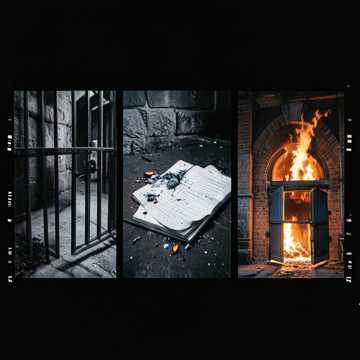
The Roll Goes On
A dark, forceful reckoning unfolds as oppressive authority faces the names it tried to erase. Furnace imagery, opened gates, and collective voices transform accusation into a marching anthem of memory, judgment, and liberation.
03:43
Invalid date
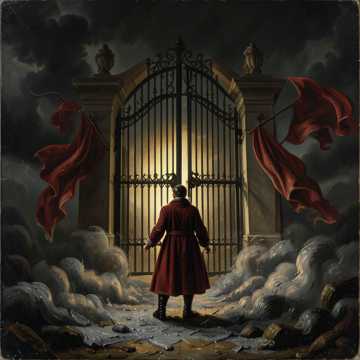
Stalin in Hell
A forceful Soviet folk-rock march imagines Stalin entering Hell and transforming its damned ranks into a disciplined uprising. Balalaika, bayan, brass, distorted guitar, snaps, and military percussion build from a sparse opening into a dark, theatrical anthem of domination and defiance.
03:28
Invalid date
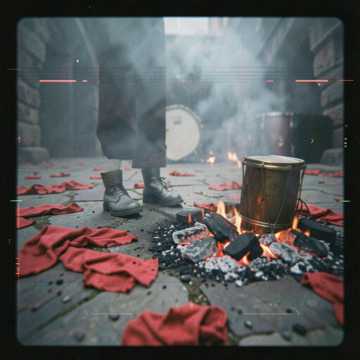
March Through the Fire
A grim procession becomes a collective uprising as the dead reclaim their names and the forgotten confront fallen authority. Driven by Russian folk colors, martial percussion, and a forceful rock march, the song transforms grief into defiance, exposing the moral collapse of crowns, commands, and inherited power.
03:17
Invalid date
The Last Red Banner
A fallen leader calls for an army that will not return as an old empire collapses around him. Ominous folk strings and brass grow into a theatrical march, turning political ruin into a grand, solitary elegy.
03:18
Invalid date
No Throne in the Furnace
A grim commander leads marching ranks through a furnace-like battlefield where medals, banners, and victory lose their meaning. With every drumbeat, the dead demand accountability, transforming military spectacle into a haunting indictment of power, forgotten lives, and the price paid by those beneath the throne.
03:43
Invalid date
Raise the Curtain
A theatrical historical rock anthem set in a tense grand hall, where a reluctant figure faces a crowd and the unresolved weight of an old regime. Its rising arrangement turns ceremony into confrontation, insisting that collective memory outlasts power.
04:13
Invalid date
Winter Court
A mock-imperial dance unfolds beneath scarlet banners as a self-styled tyrant performs for a court that refuses obedience. Folk instruments, military percussion, brass, strings, and choir transform the ballroom into a theatrical arena, ending with the ruler defeated and the empty throne facing dawn.
02:58
Invalid date
A Mighty March
A commanding figure enters a frozen ceremonial world as banners rise and disciplined forces gather. Folk melodies, brass, percussion, and choral power turn historical weight into a defiant dance, celebrating remembrance, endurance, and the awakening of a world that refuses to remain silent.
03:50
Invalid date
March Through the Fire-Lit
A cinematic martial anthem depicts a cold general leading the condemned through a fiery hall, challenging a corrupt court with collective resolve. Soviet-style march rhythms, industrial weight, folk-dance turns, and choral force turn its imagery into a darkly triumphant procession.
04:23
Invalid date
March Through the Iron Gate
A forceful, darkly theatrical march follows a ruler-like figure through ritual, revelry, and fading authority. Folk-dance energy and martial grandeur conceal an ominous meditation on political power, historical memory, inevitable decline, and debts no ceremony can erase.
03:24
Invalid date
Turn the Wheel
A dramatic stage-bound anthem about resisting hollow authority and preserving the names of those lost. Against frost, smoke, red banners, and fading marches, the narrator turns collective grief into a fierce declaration that no throne can rule the human voice.
03:48
Invalid date
Железный народ
Песня изображает восстание против тирании через образы площади, железного строя и ночного рассвета. Маршевая энергия, индустриальный металл и мрачный кабаре-театр сопровождают путь народа от страха к единству, подчёркивая, что власть без согласия обречена рухнуть.
03:04
Invalid date
The House Keeps Its Secrets
A mysterious guest enters a disciplined, glittering ballroom where dancers celebrate an old ruler beneath theatrical ceremony. Brisk folk rhythms and commanding ensemble vocals conceal an atmosphere of surveillance, obedience, and suppressed truth, leaving the house and its silent visitor wrapped in dangerous secrets.
04:03
Invalid date
Hotel for Comrades
A stern, power-obsessed visitor enters a surreal hotel where orders lose their force. Through sly hospitality, comic resistance, and a final invitation to apologize, the song transforms authoritarian grandeur into a humorous lesson in humility and personal change.
02:47
Invalid date

Нальём с Ольгой
Комедийная застольная история о Марине, которая приходит к Ольге на короткий вечер, но остаётся до рассвета. Под песни, танцы и разговоры о Димасике героини смеются, вспоминают прошлое и встречают неизбежное утро перед рабочим днём.
02:31
6 days ago
Introduction to Balalaika: A Unique Russian Folk Instrument
The Balalaika is a traditional Russian stringed musical instrument known for its distinct triangular body, three strings, and unique sound. Originating in Russia in the late 17th century, the Balalaika's development was influenced by earlier string instruments, such as the domra. Its name possibly derives from the Russian verb 'balakat,' meaning to chat or babble, reflecting the instrument's cheerful, conversational sound. Initially a peasant instrument, the Balalaika gained popularity in the 19th century when Vasily Andreyev, a Russian nobleman, modernized it and founded the first Balalaika orchestra, transforming it into a symbol of Russian culture and folk music.
Exploring Balalaika Sub-tags and Classifications
Prima Balalaika
The Prima Balalaika is the most common type of Balalaika, tuned to E-E-A. It is typically used for solo performances due to its melodic range and expressive capabilities. The Prima Balalaika's versatility allows it to play both accompaniment and lead roles in ensembles.
Secunda Balalaika
The Secunda Balalaika, slightly larger than the Prima, is tuned to A-A-D. It often plays a supporting role in Balalaika orchestras, providing harmonic accompaniment and enriching the overall sound of the ensemble with its deeper tones.
Bass Balalaika
The Bass Balalaika, notable for its large triangular body and low-pitched sound, is tuned to E-A-D. It serves as the bass voice in Balalaika ensembles, providing rhythmic foundation and depth. The Bass Balalaika is often played with a leather plectrum due to the thickness of its strings.
Contrabass Balalaika
The Contrabass Balalaika is the largest and lowest-pitched member of the Balalaika family, tuned to A-D-G. It provides a deep, resonant bass that anchors the sound of the orchestra. The Contrabass is usually played standing up, using a bow or plectrum to pluck its thick strings.
Piccolo Balalaika
The Piccolo Balalaika is the smallest variant, producing a high-pitched, bright sound. Tuned to C-G-D, it often plays the melody in Balalaika ensembles. Due to its small size and distinctive tone, it adds a sparkling, delicate quality to the overall sound.
Famous Balalaika Artists and Iconic Works
Vasily Andreyev
Known as the 'Father of the Balalaika,' Vasily Andreyev was instrumental in transforming the Balalaika into a concert instrument. He founded the first Balalaika orchestra in the late 19th century and composed numerous pieces, bringing the Balalaika to concert halls worldwide and popularizing Russian folk music.
The Russian Dance
A lively and rhythmic composition often played by Balalaika orchestras, 'The Russian Dance' captures the energetic spirit of Russian folk music. It features rapid strumming and percussive techniques characteristic of Balalaika playing, making it a staple in performances celebrating Russian culture.
Alexey Arkhipovsky
Alexey Arkhipovsky is a contemporary Balalaika virtuoso renowned for his technical skill and innovative style. He blends traditional Russian folk music with modern genres like jazz and rock, creating a unique and dynamic sound. His performances have captivated audiences globally, making him a modern ambassador for the Balalaika.
Kamarinskaya
Originally a Russian folk song, 'Kamarinskaya' has been adapted for the Balalaika by various artists. Its repetitive melody and lively tempo showcase the Balalaika's versatility, making it a favorite in solo and ensemble performances. The piece highlights the instrument's ability to convey both rhythmic drive and melodic expression.
Elena Andreeva
Elena Andreeva is one of the leading female Balalaika players, known for her expressive playing style and mastery of the instrument. She has performed internationally, showcasing the Balalaika in a variety of musical contexts and contributing to its global recognition.
Andante Cantabile
This piece, adapted from Tchaikovsky's String Quartet No. 1, has been arranged for the Balalaika, highlighting its expressive potential in a classical music context. 'Andante Cantabile' is known for its lyrical melodies and delicate phrasing, demonstrating the Balalaika's ability to perform classical repertoire with emotional depth and sensitivity.
Applications of Balalaika Music in Modern Media
Balalaika music is often used in movie soundtracks to evoke a sense of Russian culture and atmosphere. It has been featured in films like 'Doctor Zhivago' and 'The Grand Budapest Hotel,' where its unique sound adds authenticity and emotional depth to scenes set in Russia or inspired by Russian themes.
Movie Soundtracks
In advertising, Balalaika music is used to create a distinct and memorable auditory identity. Its lively and upbeat sound can convey joy, tradition, and cultural richness, making it suitable for commercials promoting products associated with Russian heritage or targeting audiences interested in diverse cultural experiences.
Advertising Music
Balalaika music has been incorporated into video game soundtracks to enhance the cultural setting or atmosphere. Games like 'Red Dead Redemption 2' and 'Civilization VI' use Balalaika music to enrich the player's experience, providing a sense of place and historical context within the game's world.
Game Background Music