Free Balalaika Music Generator Powered by AI
Turn text into high-quality Balalaika music effortlessly – no login required!

music.toolTips
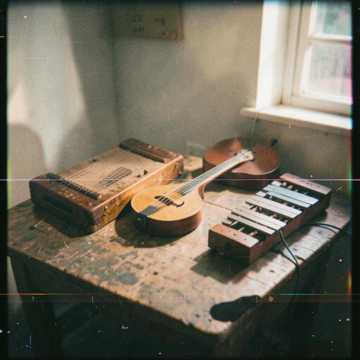
E174
E174 unfolds as a seven-minute journey through deep sadness, pairing a sorrowful G minor piano motif with folk plucks, dulcimer, hurdy-gurdy, hangpan, marimba, Rhodes, quiet drums, and sub bass. Its evolving rap rhythm and sudden instrumental break create tension before a final piano echo.
03:10
2026-09-19
e169
e169 is a seven-minute instrumental descent through fragile grief. Mournful piano, harp, dulcimer, balalaika, and acoustic guitar establish intimacy before marimba, synths, Rhodes, bass, and quiet drums create a restrained hip-hop pulse. A sudden beat cut intensifies the darkness, ending with a solitary piano echo.
03:00
2026-09-19
E156
'E156' — это эмоциональный инструментальный трек в стиле современного русского хип-хопа. Композиция сочетает грустную мелодию пианино, акустической гитары и балалайки с чеканным хип-хоп ритмом, создавая глубокий контраст между светлой меланхолией и динамической энергией.
02:58
2026-09-17
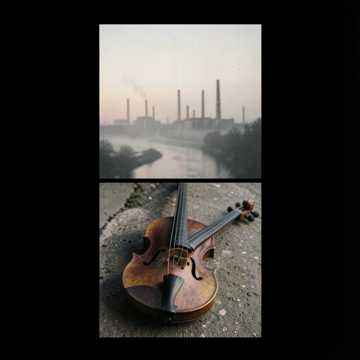
Петроград, наш наряд
Торжественная песня-марш воспевает Петроград как символ коллективного труда, товарищества и надежды. Образы заводов, Невы, полей и северного ветра соединяются в мощном призыве идти вперёд плечом к плечу.
03:01
2026-09-16
E153
E153 — это глубокий инструментальный трек в стиле современного русского мелодичного хип-хопа в тональности ре-минор. Сочетание печального фортепиано, акустической гитары, балалайки и плотного саб-баса создает контраст между быстрыми ритмами и меланхоличными паузами, передавая атмосферу грусти и внутренней драмы.
02:54
2026-09-15
Посику́нчики! (Укроверсия+)
Агресивний сатиричний гімн, що поєднує українські фольклорні мотиви, метал, хардбас і техно. Чоловічий грубий вокал контрастує із звабливим жіночим тембром, створюючи вибухову клубну атмосферу, політичний протест і театральний фінал.
04:56
2026-09-15
Посику́нчики! (5)
Взрывная смесь русского фолк-метала, индустриального техно и хардбасса. Грубый мужской вокал спорит с чувственным женским, а балалайка, гитары и синтезаторы создают сатирический, конфликтный и театральный гимн с политической направленностью.
04:31
2026-09-15
Для меня вот только ли...
Созерцательная исповедь человека, сомневающегося в собственном спасении. Лирический герой мечтает хотя бы ненадолго увидеть рай, но боится, что даже благодать причинит боль израненной душе.
01:57
2026-09-13
Для меня вот только ли...
Лирический герой признаёт свою недостойность, но мечтает хотя бы на неделю войти в райский мир. Зелёные травы, радуга и вечный август становятся образом долгожданного покоя, который одновременно манит и пугает своей неземной благодатью.
01:53
2026-09-13
Монастыри
Песня прославляет монастыри России и Казахстана как духовные ориентиры, соединяя величие храмов, скорбь истории и надежду на очищение. Медленная вокальная композиция звучит как народная молитва, где древние обители становятся символами стойкости, веры и внутреннего пути.
04:07
2026-09-12
Монастыри
Песня воспевает монастыри России и Казахстана как хранителей веры, истории и духовной опоры. Через образы лавр, пустыней, лесных скитов и небесного хора раскрываются одновременно величие, суровая красота и надежда на освобождение от греха.
04:00
2026-09-12
Монастыри
Песня прославляет русские монастыри как духовные ориентиры, соединяя величие православной архитектуры, суровую красоту природы и память поколений. Медленное исполнение, а cappella эпизоды, балалайка, гусли и народные духовые создают молитвенно-повествовательное звучание, а финальный призыв наполнен надеждой на очищение и внутреннее освобождение.
03:40
2026-09-12
Для меня вот только ли...
Лирический герой признаёт свою недостойность спасения, но мечтает хотя бы ненадолго попасть в райские кущи. Образы зелёных трав, радуги и вечного августа противопоставлены страху перед болезненной благодатью, превращая песню в тихую исповедь о надежде, вине и жажде покоя.
02:03
2026-09-12

Three Things From The Same Old Routine
A once-romantic couple humorously dissects the habits, tastes, and lifestyle differences that turned love into boredom and conflict. Through alternating male and female perspectives, the song builds toward separation, yet its energetic finale leaves room for friendship.
04:05
2026-08-26

Смерть и свастика.
Мрачная обрядовая композиция о противостоянии смерти, памяти и разрушительной символике. Древнеславянские образы, солнечные мотивы и воинственная образность соединяются с напряжённым фолковым звучанием, создавая ощущение заклинания, пророчества и трагического вызова судьбе.
02:17
2026-08-26

Смерть и свастика.
Медленная драматическая баллада о столкновении смерти с сакральными образами и родноверческой символикой. Герой обращается к оберегу и солнцу, противопоставляя косу смерти мясорубочному ножу. Народные инструменты, минорная мелодия и чередование мужского и женского вокала усиливают ощущение обречённости, протеста и трагической памяти.
04:39
2026-08-25
Смерть и свастика.
Мрачная фолк-баллада о человеке, который обращается к оберегу и древним символам, пытаясь противостоять смерти. Коса и мясорубочный нож превращаются в образы исторического насилия, а протяжный припев усиливает чувство обречённости, боли и трагического сопротивления.
03:14
2026-08-25
Смерть и свастика.
Драматическая песня размышляет о столкновении смерти с архаическими славянскими образами и символами, впитывающими память, страх и историческую травму. Медленная минорная мелодия усиливает ощущение обречённости, а повторяющийся припев звучит как заклинание и обвинение.
02:45
2026-08-25
Смерть и свастика.
Драматическая песня сталкивает образ смерти с древнеславянскими оберегами и воинственной символикой. Повторяющиеся строки, эхо и медленный дворผовый аккомпанемент усиливают ощущение обречённости, внутреннего сопротивления и исторической тяжести, не предлагая однозначного толкования изображённых знаков.
03:12
2026-08-25
Смерть и свастика.
Драматическая песня погружает слушателя в обрядовый мир древнеславянских оберегов, родноверческой символики и военного противостояния. Образ смерти, скрестившей косу с ножом, звучит как мрачное предостережение, усиленное хоровым повтором и долгим эховым финалом.
03:40
2026-08-25
Introduction to Balalaika: A Unique Russian Folk Instrument
The Balalaika is a traditional Russian stringed musical instrument known for its distinct triangular body, three strings, and unique sound. Originating in Russia in the late 17th century, the Balalaika's development was influenced by earlier string instruments, such as the domra. Its name possibly derives from the Russian verb 'balakat,' meaning to chat or babble, reflecting the instrument's cheerful, conversational sound. Initially a peasant instrument, the Balalaika gained popularity in the 19th century when Vasily Andreyev, a Russian nobleman, modernized it and founded the first Balalaika orchestra, transforming it into a symbol of Russian culture and folk music.
Exploring Balalaika Sub-tags and Classifications
Prima Balalaika
The Prima Balalaika is the most common type of Balalaika, tuned to E-E-A. It is typically used for solo performances due to its melodic range and expressive capabilities. The Prima Balalaika's versatility allows it to play both accompaniment and lead roles in ensembles.
Secunda Balalaika
The Secunda Balalaika, slightly larger than the Prima, is tuned to A-A-D. It often plays a supporting role in Balalaika orchestras, providing harmonic accompaniment and enriching the overall sound of the ensemble with its deeper tones.
Bass Balalaika
The Bass Balalaika, notable for its large triangular body and low-pitched sound, is tuned to E-A-D. It serves as the bass voice in Balalaika ensembles, providing rhythmic foundation and depth. The Bass Balalaika is often played with a leather plectrum due to the thickness of its strings.
Contrabass Balalaika
The Contrabass Balalaika is the largest and lowest-pitched member of the Balalaika family, tuned to A-D-G. It provides a deep, resonant bass that anchors the sound of the orchestra. The Contrabass is usually played standing up, using a bow or plectrum to pluck its thick strings.
Piccolo Balalaika
The Piccolo Balalaika is the smallest variant, producing a high-pitched, bright sound. Tuned to C-G-D, it often plays the melody in Balalaika ensembles. Due to its small size and distinctive tone, it adds a sparkling, delicate quality to the overall sound.
Famous Balalaika Artists and Iconic Works
Vasily Andreyev
Known as the 'Father of the Balalaika,' Vasily Andreyev was instrumental in transforming the Balalaika into a concert instrument. He founded the first Balalaika orchestra in the late 19th century and composed numerous pieces, bringing the Balalaika to concert halls worldwide and popularizing Russian folk music.
The Russian Dance
A lively and rhythmic composition often played by Balalaika orchestras, 'The Russian Dance' captures the energetic spirit of Russian folk music. It features rapid strumming and percussive techniques characteristic of Balalaika playing, making it a staple in performances celebrating Russian culture.
Alexey Arkhipovsky
Alexey Arkhipovsky is a contemporary Balalaika virtuoso renowned for his technical skill and innovative style. He blends traditional Russian folk music with modern genres like jazz and rock, creating a unique and dynamic sound. His performances have captivated audiences globally, making him a modern ambassador for the Balalaika.
Kamarinskaya
Originally a Russian folk song, 'Kamarinskaya' has been adapted for the Balalaika by various artists. Its repetitive melody and lively tempo showcase the Balalaika's versatility, making it a favorite in solo and ensemble performances. The piece highlights the instrument's ability to convey both rhythmic drive and melodic expression.
Elena Andreeva
Elena Andreeva is one of the leading female Balalaika players, known for her expressive playing style and mastery of the instrument. She has performed internationally, showcasing the Balalaika in a variety of musical contexts and contributing to its global recognition.
Andante Cantabile
This piece, adapted from Tchaikovsky's String Quartet No. 1, has been arranged for the Balalaika, highlighting its expressive potential in a classical music context. 'Andante Cantabile' is known for its lyrical melodies and delicate phrasing, demonstrating the Balalaika's ability to perform classical repertoire with emotional depth and sensitivity.
Applications of Balalaika Music in Modern Media
Balalaika music is often used in movie soundtracks to evoke a sense of Russian culture and atmosphere. It has been featured in films like 'Doctor Zhivago' and 'The Grand Budapest Hotel,' where its unique sound adds authenticity and emotional depth to scenes set in Russia or inspired by Russian themes.
Movie Soundtracks
In advertising, Balalaika music is used to create a distinct and memorable auditory identity. Its lively and upbeat sound can convey joy, tradition, and cultural richness, making it suitable for commercials promoting products associated with Russian heritage or targeting audiences interested in diverse cultural experiences.
Advertising Music
Balalaika music has been incorporated into video game soundtracks to enhance the cultural setting or atmosphere. Games like 'Red Dead Redemption 2' and 'Civilization VI' use Balalaika music to enrich the player's experience, providing a sense of place and historical context within the game's world.
Game Background Music