Free Bandura Music Generator Powered by AI
Turn text into high-quality Bandura music effortlessly – no login required!

music.toolTips

České Dráhy
Dynamická skladba oslavuje nadšení pro české vlaky a trainspotting. Vypravěč staví svou cestu, fotografování i obdiv k železnici proti frustraci z problémů konkurenční dopravy. Industriální EDM a lidové struny mění příběh v energickou kolejovou hymnu.
04:14
27 days ago
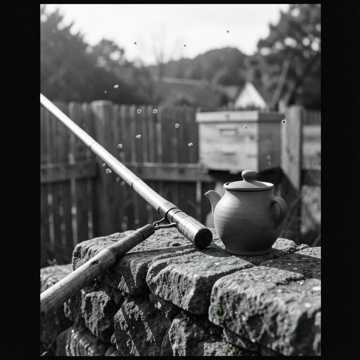
Толік іде
Пісня розповідає про веселого сільського пасічника Толіка, який стає воїном задля захисту родини й України. Через образи бджіл, ріки та мирного літа вона поєднує фронтову мужність із мрією про повернення тиші, свободи й щасливого майбутнього.
04:29
2026-09-21

КРАПЛЯ 3
Крапля дощу на шибці пробуджує в героя світлі, невловимі спогади про літо, дім і близькість. У холодній нічній самотності він знаходить тепло не в поясненнях, а в короткій миті пам'яті, що лишає тиху усмішку.
04:18
2026-09-13

КРАПЛЯ 2
Пісня змальовує самотній дощовий вечір біля печі, коли звичайна крапля на склі пробуджує спогади про літо, дім, близьких і тепло минулого. Ностальгія тут не трагічна, а цілюща: герой знову знаходить внутрішній затишок і тиху усмішку.
04:16
2026-09-13

Кошик пісеньками
Пісня розповідає про веселу мандрівку Гощенко Ірини до лісу по гриби. Жвавий фольк-поп, акордеон, бандура, плескання й запальний приспів створюють теплу сімейну атмосферу, прославляючи природу, уважність, безпечне збирання грибів і радість, яку можна розділити з усім лісом.
03:07
2026-09-12

Грибний день
Пісня розповідає про ранкову мандрівку Ірини до соснового лісу. Вона уважно збирає боровики, маслюки, лисички та сироїжки, радіє щедрості природи й повертається додому, щоб пригостити сусідів. Жвавий приспів перетворює грибне полювання на веселий танцювальний обряд.
02:53
2026-09-12

ПРОВІДНА ЗОРЯ
Пісня розповідає про людину далеко від дому, яка крізь нічне небо подумки звертається до рідної зорі та тих, хто чекає. Спогади про родину, дитячий сміх і літні ночі підтримують героя, даруючи йому тиху надію обов’язково повернутися.
03:04
2026-09-12

Лечу до матінки
Пісня розповідає про зворушливу подорож до матері на день народження. Герой везе квіти, пиріжки й найцінніше — свою присутність, розмову та любов. Потяг стає символом повернення до дитинства, рідного дому, надійного берега й родинного затишку.
04:10
2026-09-04

Почукай У Лікарню
Пісня передає паніку людини, яка через гострий біль, блювання з кров’ю та слабкість поспішає до лікарні. Повторюваний приспів звучить як уривчасте повідомлення близьким, а фінал оголює страх залишитися самотнім перед можливою смертю.
03:24
2026-08-25
Introduction to Bandura: The Traditional Ukrainian Musical Instrument
The Bandura is a traditional Ukrainian stringed musical instrument that blends elements of the lute and zither. It is known for its deep, resonant sound and has been a vital part of Ukrainian folk music for centuries. Historically, the origins of the Bandura can be traced back to the kobza, an earlier instrument used by minstrels known as kobzars. The Bandura gained prominence during the 14th century and became the primary instrument of Ukrainian bards who would perform epic songs (dumy) about historical events, religious tales, and folklore. Its evolution saw changes in both structure and musical role, transitioning from a small, portable instrument to a larger, more complex one with multiple strings, often exceeding 60. Today, the Bandura is an iconic symbol of Ukrainian national identity and continues to influence both folk and modern music.
Classifications of the Bandura: From Traditional to Modern
Traditional Bandura
This is the earliest form of Bandura, often small in size with around 20 to 30 strings. It was primarily used by kobzars, wandering musicians in Ukraine, to perform epic songs and folk tales. The traditional Bandura was played by plucking and strumming the strings, producing a sound that closely resembled early folk instruments.
Academic Bandura
The Academic Bandura refers to a modernized version of the instrument, developed in the 20th century for concert performance. It has a more refined construction, with additional strings (up to 68) and a broader tonal range. It is used primarily in classical music settings and has become a popular instrument in Ukrainian orchestras.
Electric Bandura
In more recent years, the Bandura has been adapted into an electric version, allowing for amplification and effects processing. This has expanded the instrument's role in contemporary and experimental music, including genres like rock, electronic, and jazz. The electric Bandura preserves the essence of the traditional instrument while offering new sonic possibilities.
Famous Artists and Works in the Bandura Tradition
Hnat Khotkevych
Hnat Khotkevych was a renowned Ukrainian composer, playwright, and Bandurist who played a crucial role in popularizing the Bandura in the early 20th century. His efforts in standardizing the Academic Bandura and writing music specifically for the instrument helped shape modern Bandura performance. He is remembered for his technical innovations and contribution to preserving traditional Bandura music.
Dumy of the Kobzars
The 'Dumy' are epic poems and songs traditionally performed by kobzars, using the Bandura as the primary accompaniment. These works are historically significant, as they recount the heroism of Cossacks and other Ukrainian historical figures. They are known for their distinctive melodic patterns and improvisational nature, often performed in a free rhythm.
Vasyl Yemetz
Vasyl Yemetz is known as the founder of the Ukrainian Bandura Ensemble and played a key role in promoting the Bandura on the international stage. He was among the first to tour Europe and North America with Bandura performances, spreading knowledge of Ukrainian culture and folk music globally.
Bandura Rhapsody
This modern work, composed by Hnat Khotkevych, showcases the potential of the Academic Bandura in a classical music setting. It combines traditional folk melodies with complex harmonic structures and advanced playing techniques. The piece is celebrated for its rich, layered sound and innovative use of the Bandura in an orchestral context.
Nina Matviyenko
Nina Matviyenko is a celebrated Ukrainian singer and Bandura player who has contributed significantly to the preservation of traditional Ukrainian music. Her emotive performances and powerful voice, combined with the sound of the Bandura, have made her a symbol of Ukrainian cultural heritage. She is particularly known for her renditions of Ukrainian folk songs.
Application Scenarios: The Versatility of Bandura Music
The Bandura’s ethereal and melodic tones make it an ideal instrument for movie soundtracks, especially those with historical or folk themes. Its use can evoke a deep sense of culture, tradition, and emotional resonance, making it perfect for period films or dramas set in Eastern Europe.
Movie Soundtracks
In advertising, the Bandura is used to create a unique auditory identity for products related to heritage, natural beauty, and authenticity. Its traditional sound helps establish a connection with nature and history, making it suitable for commercials promoting artisanal or organic goods.
Advertising Music
In video games, especially those set in fantasy or historical contexts, the Bandura can enhance the immersive experience by providing an authentic Eastern European sound. Its wide range of tonal colors makes it a versatile choice for creating moods ranging from peaceful village scenes to epic battles.
Game Background Music