Free Classical Music Generator Powered by AI
Turn text into high-quality Classical music effortlessly – no login required!

music.toolTips
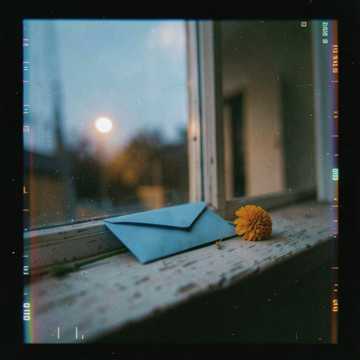
যখন সন্ধ্যা নামে
দিনভর শ্রমের শেষে সন্ধ্যা ঘিরে আনে স্মৃতি, প্রিয়ার প্রতীক্ষা, সন্তানদের নিষ্পাপ মুখ এবং জননীর স্নেহ। নীল খামের অন্ধকার ও ঘরের উষ্ণতার বিপরীতে গানটি ক্লান্ত শরীরের শান্তি, পারিবারিক ভালোবাসা ও প্রত্যাবর্তনের আশ্রয়কে উদযাপন করে।
04:44
2026-08-12
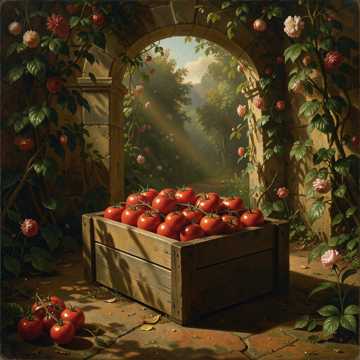
Florica gospodin
Cântecul o prezintă pe Florica îngrijindu-și cu drag roșiile din grădină. Versurile transmit bucurie, hărnicie și recunoștință, culminând cu pregătirea unei salate pentru toți. Refrenul jucăuș și imaginile estivale creează o atmosferă potrivită pentru copii și momente de familie.
02:13
2026-08-11
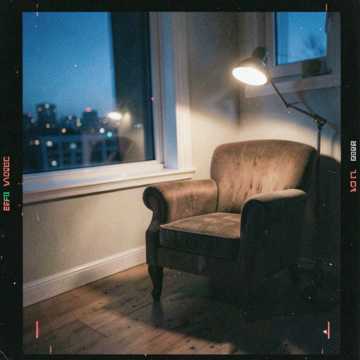
Only your Voice
A romantic, late-night confession about finding peace, truth, and emotional freedom in private closeness. Classical textures and hip hop-inflected rap vocals frame a devotion that makes the outside world fade, from dusk through dawn.
03:42
2026-08-10
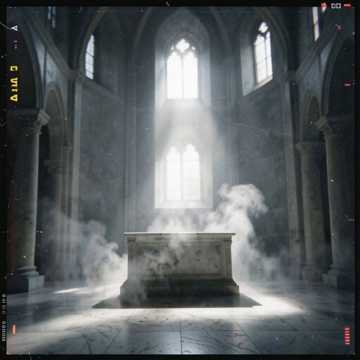
Sanctus Ash
A slow-burning instrumental requiem that moves from ceremonial stillness through hushed offering, bowed-string mourning, and organ-led tolling toward a veiled string finale. Its cathedral resonance and spacious acoustic create a ritual atmosphere suited to remembrance, reflection, funerals, film, and contemplative listening.
04:20
2026-08-10
क्या हासिल
यह सूफ़ियाना गीत अहंकार, स्वामित्व और सांसारिक दावों की निरर्थकता पर प्रश्न करता है। रहस्यमय, सुकूनभरी और ऊर्जस्वी धुन के बीच कथावाचक मौला की रज़ा में स्वयं को मिटाने और आत्मिक सत्य पाने की राह खोजता है।
06:10
2026-08-10
GLORIA PATRI / SICUT ERAT
Lamentatio sacra in tempore ternario, quae doxologiam Latinam e tenebris ad magnum culmen ducit. Baritonus gravis et violinum quasi plorans dialogum instituunt, dum chordae profundae aeternitatem, memoriam et quietem extremam effingunt.
04:27
2026-08-10
study
A lyricless vocal soundscape shaped by humming and layered harmonies. Classical melodic phrasing meets chilled dubstep energy, producing a spacious, meditative atmosphere suited to concentration, quiet reflection, and immersive study sessions.
03:35
2026-08-10
VANUM EST VOBIS / SURGITE
Carmen sacrum dramaticum Psalmum127 meditatur: labor, vigilia et aedificatio sine Domino vana sunt. Baritonus inter ostinatum concitatum et silentium grave vocem humanam opponit custodiae divinae, mutans furorem laboris in spem quietam.
04:23
2026-08-10

Nisi Dominus
Psalmus127 in forma sacra et cinematica: vox baritoni inter chordas graves et bassoon declarat vanum esse laborem sine Deo. Textus Latinus et meditatio Anglica crescunt ab oratione obscura ad confessionem fiduciae, deinde ad Amen sollemne redeunt.
05:57
2026-08-10
Title Too Long Again
'Title Too Long Again' is a dramatically humorous, operatic piece that satirizes the absurd struggle of creating endlessly long song titles. Combining lush classical arrangements with meta-comedy, it playfully pokes fun at AI voice limits, UI constraints, and the uncontrollable urge to keep typing.
05:45
2026-08-10

ขอบคุณ ในความรัก
บทเพลงแทนคำขอบคุณจากลูกถึงแม่ ถ่ายทอดอ้อมกอด ความรัก และการดูแลตั้งแต่วัยเยาว์ พร้อมคำสัญญาว่าจะเป็นเด็กดี อยู่เคียงข้างครอบครัว และเติบโตเป็นคนดีของสังคม
01:10
2026-08-09
Time
تروي الأغنية حنين امرأة إلى رجل لم تره قط لأنه رحل قبل ميلادها. بين الصور والخيال وعتاب الزمن، تحوّل أمنيتها المستحيلة إلى غناء يحمل صوتها عبر العصور، أملاً في موعد يجمعهما خارج حدود الوقت.
06:52
2026-08-09
Now i see
A mysterious and sentimental instrumental journey where deep bass, atmospheric pads, choir, and subtle vocal effects create a slow, groovy passage from introspection toward emotional clarity.
04:43
2026-08-09
Openings
A cinematic instrumental journey from introspection to awakening, combining driving trance rhythms, strong bass, electric pads, choir textures, and classical sentiment. Its slow, groovy progression creates a mysterious yet relaxing atmosphere suited to emotional reflection and visual storytelling.
04:49
2026-08-09
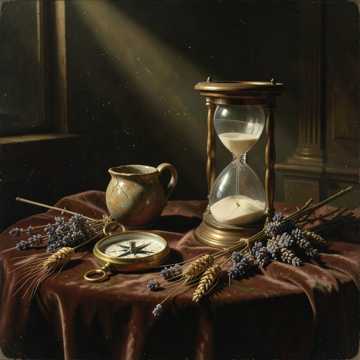
Lucky charms
Lucky charms is a four-minute instrumental journey with no sung language. Slow ambient passages, cinematic movement, dreamy vocal effects, groovy EDM energy, classical atmosphere, and bluegrass-inspired color create a relaxed yet adventurous mood, suitable for imaginative travel, reflective moments, magical storytelling, and uplifting visual scenes.
04:50
2026-08-09
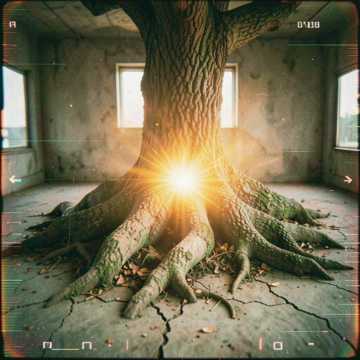
ROOT OF A VISION
An empowering crossover anthem about transforming dreams into reality through courage, balance, and decisive action. Its escalating verses, mantra-like pre-drop, explosive chorus, and triumphant final drop create a motivational journey from inner power to shared vision and success.
04:03
2026-08-09

"I Miss You"
A woman reflects on separation from the person she loves, discovering that every journey, song, and quiet moment leads back to them. Blending melancholy with hope, she promises patience, reconciliation, and a future built together.
06:24
2026-08-09
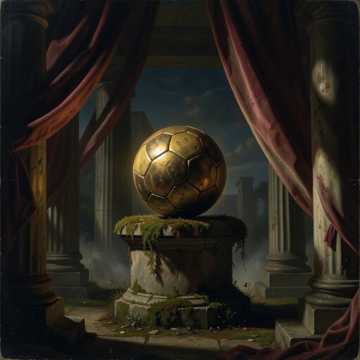
Loumi
Loumi célèbre le parcours d’Ousmane Dembélé, ses blessures surmontées, son talent explosif et son rôle auprès de l’équipe de France et du Paris Saint-Germain. Entre rap fédérateur et accents romantiques, le morceau transforme le rêve du Ballon d’Or en hymne de stade.
03:15
2026-08-08
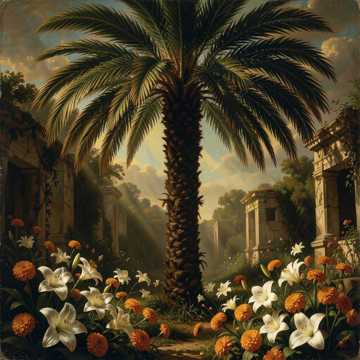
கொடி
வேளாங்கண்ணி அன்னைக்கு அர்ப்பணிக்கப்பட்ட இந்த மகிழ்ச்சியான பக்திப் பாடல், அவரது கொடி உயர்வதன் மூலம் இறையருள், குடும்ப நலம், ஒற்றுமை மற்றும் துயர்நிவாரணத்தை வேண்டுகிறது. கடற்கரைத் திருத்தலத்தின் புனித உணர்வை ஆண்-பெண் குரல்கள் உற்சாகமாக உயிர்ப்பிக்கின்றன.
02:43
2026-08-08
SF90 XX Spyder
A concise, symbolic performance inspired by the SF90 XX Spyder and Carlo G.’s statement that success begins with vision. Its fusion of engine sound, classical tension, EDM propulsion, metal force, and Latin rhythm suggests acceleration, ambition, precision, and groundbreaking automotive design.
00:30
2026-08-08
Introduction to Classical Music
Classical music, often referred to simply as 'Classical,' is a broad genre of music that originated in the traditions of Western culture, encompassing a wide period from the medieval era to the present day. Its development spans several centuries, with its roots deeply embedded in the liturgical and secular music of the Western world. The genre is characterized by its emphasis on formal styles, complex structures, and the use of notation to ensure precise performances. The Classical era itself, which ranges from the mid-18th century to the early 19th century, is often considered the pinnacle of this genre, marked by the works of composers like Haydn, Mozart, and Beethoven. Over time, Classical music has evolved, influencing and incorporating various styles and innovations from different periods and regions.
Sub-tags and Classifications of Classical Music
Baroque
The Baroque period, spanning from approximately 1600 to 1750, is known for its elaborate musical ornamentation, contrasting dynamics, and the development of tonality. Key composers of this era include Johann Sebastian Bach, George Frideric Handel, and Antonio Vivaldi. Baroque music often features complex counterpoint and was typically composed for both religious and secular settings.
Classical Period
The Classical period, roughly from 1750 to 1820, emphasized clarity, balance, and form, moving away from the ornate style of the Baroque. Composers such as Wolfgang Amadeus Mozart, Joseph Haydn, and Ludwig van Beethoven are central to this era. The music of the Classical period is known for its clear structure, with the sonata form being a dominant compositional method.
Romantic
The Romantic era, from about 1820 to 1900, focused on emotional expression, individualism, and the expansion of the orchestra. This period saw composers like Franz Schubert, Johannes Brahms, and Richard Wagner pushing the boundaries of traditional forms to convey deeper emotional content and dramatic intensity. Romantic music often features rich harmonies, dynamic contrasts, and expansive melodic lines.
20th Century and Contemporary
The 20th century and contemporary classical music reflect a broad range of styles, techniques, and ideologies, from the atonal works of Arnold Schoenberg to the minimalist compositions of Philip Glass. This period is marked by experimentation, the blending of classical traditions with modern and popular music influences, and the use of new technologies in composition and performance.
Famous Artists and Works in Classical Music
Ludwig van Beethoven
Beethoven is one of the most influential composers in the history of Western music. His works, including the 'Symphony No. 9' and 'Moonlight Sonata,' bridge the Classical and Romantic eras, showcasing his innovative use of form, harmony, and orchestration. Beethoven's music is renowned for its emotional depth and technical brilliance.
Symphony No. 9 in D minor, Op. 125
Beethoven's Symphony No. 9, also known as the 'Choral Symphony,' is a monumental work that introduced the use of a choir and vocal soloists in the final movement. The symphony's fourth movement features the famous 'Ode to Joy' theme, which has become an anthem for unity and brotherhood. This work is celebrated for its innovative structure, emotional depth, and powerful themes.
Wolfgang Amadeus Mozart
Mozart was a prolific composer who produced more than 600 works, including symphonies, operas, chamber music, and concertos. His compositions, such as 'The Magic Flute' and 'Requiem,' are celebrated for their melodic beauty, structural clarity, and emotional expressiveness.
The Magic Flute, K. 620
Mozart's 'The Magic Flute' is a two-act opera that blends elements of German singspiel with deep philosophical themes. The work is noted for its masterful use of orchestration, memorable arias, and the portrayal of complex characters. The opera remains one of the most performed works in the operatic repertoire.
Johann Sebastian Bach
Bach is often considered the greatest composer of the Baroque era. His works, such as the 'Brandenburg Concertos' and 'The Well-Tempered Clavier,' are revered for their complex counterpoint, rich harmonies, and intellectual depth. Bach's music has had a profound influence on subsequent generations of composers.
Brandenburg Concertos
Bach's 'Brandenburg Concertos' are a collection of six instrumental works that exemplify the Baroque concerto grosso form. Each concerto features a unique combination of instruments and showcases Bach's skill in fusing counterpoint with virtuosic demands. These works are celebrated for their complexity, creativity, and enduring appeal.
Frédéric Chopin
Chopin, a leading figure in the Romantic era, is known for his piano compositions, which include nocturnes, études, and sonatas. His music is characterized by its poetic lyricism, technical demands, and emotional intensity. Works like the 'Nocturne in E-flat major, Op. 9 No. 2' remain cornerstones of the piano repertoire.
Piano Concerto No. 2 in F minor, Op. 21
Chopin's Piano Concerto No. 2 is a Romantic masterpiece that highlights the expressive possibilities of the piano. The concerto is known for its lyrical second movement, which showcases Chopin's ability to convey deep emotion through subtle harmonic shifts and delicate phrasing. This work remains a favorite among pianists and audiences alike.
Application Scenarios for Classical Music
Classical music is frequently used in movie soundtracks to enhance the emotional depth of scenes and convey complex narratives. Works such as Richard Wagner's 'Ride of the Valkyries' or Johann Pachelbel's 'Canon in D' are often used to evoke specific moods or underscore dramatic moments.
Movie Soundtracks
In advertising, Classical music is often used to create a sense of elegance, sophistication, and timelessness. Pieces like Mozart's 'Eine kleine Nachtmusik' are commonly used in commercials to convey a refined atmosphere or appeal to a high-end market.
Advertising Music
Classical music is also used in video games to enhance the gaming experience, particularly in titles that require a grand or epic feel. For example, Gustav Holst's 'Mars, the Bringer of War' from 'The Planets' suite is often used in strategy games to create tension and anticipation.
Game Background Music