Free Classical Music Generator Powered by AI
Turn text into high-quality Classical music effortlessly – no login required!

music.toolTips
Ah, ch'infelice sempre
Un'anima ferita attraversa una notte senza fine, custodendo il ricordo di un amore perduto. Tra lacrime, oboe, clavicembalo e archi pizzicati, il dolore diventa memoria, mentre il finale rivela una fragile sopravvivenza: ancora vivo, ancora amante, ancora piangente.
07:33
2026-08-15

Ah, ch'infelice sempre
Un lamento barocco sull'amore perduto: il protagonista accetta un dolore senza fine perché testimonia ciò che ha amato. Tra lacrime, ricordi e una fragile volontà di vivere, la musica trasforma l'infelicità in canto sublime.
05:05
2026-08-15
Ah, ch'infelice sempre
Un’anima inconsolabile piange un amore perduto, trasformando il dolore in memoria e musica. Tra immagini di stelle tremanti, corde spezzate e lacrime silenziose, il protagonista accetta di amare ciò che resta, trovando nella sofferenza la prova di essere ancora vivo.
05:25
2026-08-15
Fuga in C-moll 150826
Eine dreistimmige Fuge in c-Moll entfaltet auf der Kirchenorgel ein tiefes, ernstes Klangbild. Der weite Hall verstärkt die sakrale Atmosphäre, während die kunstvolle Polyphonie, die dunkle Tonart und der Bach-inspirierte Stil zugleich Disziplin, Spannung und geistige Einkehr vermitteln.
02:46
2026-08-15
Orgelfantasia in C-moll 150826
Eine tiefgründige, sakrale Orgelfantasie in c-Moll. Bach-inspirierte Toccata-Figuren, mächtige tiefe Register und der weittragende Kirchenhall verbinden virtuose Dramatik mit meditativer Andacht und einer zeitlosen barocken Atmosphäre.
04:07
2026-08-15

Orgelfantasia in C-moll 150826
Eine monumentale Fantasie für Kirchenorgel in c-Moll, geprägt von tiefer Melancholie, komplexer Polyphonie und sakraler Spannung. Die imaginäre Bach-Nähe verbindet barocke Strenge mit dramatischen Klangbewegungen und schafft eine eindrucksvolle Atmosphäre zwischen Andacht, Tragik und Erhabenheit.
05:07
2026-08-15
Handel Waltzer D-dur 150826
Ein festlicher Walzer in D-Dur entfaltet königliche Barockpracht durch schwingende Streicher, markante Pauken und virtuose Solotrompeten. Die Musik eignet sich für höfische Szenen, historische Inszenierungen, Zeremonien und Momente triumphaler, eleganter Feierlichkeit.
04:36
2026-08-15

Handel Waltzer D-dur 150826
Ein festlicher Walzer in D-Dur im königlichen Barockstil. Streicher entfalten eine elegante Tanzbewegung, während Cembalo, Pauken und virtuose Solotrompeten für Glanz, Triumph und höfische Pracht sorgen. Das Stück eignet sich für feierliche Auftritte, historische Szenen und prachtvolle Zeremonien.
02:00
2026-08-15
Handel Waltzer D-dur 150826
Ein prachtvoller D-Dur-Walzer im Geist des königlichen Barocks. Das Streicherensemble trägt den eleganten Dreivierteltakt, während Cembalo, Pauken, Trompeten und Oboen Glanz, höfische Würde und virtuose Festlichkeit verleihen.
02:14
2026-08-15
Vivaldi Waltzer D-dur 150826
A brilliant D-major baroque waltz inspired by Vivaldi, combining elegant string-orchestra motion with harpsichord sparkle, ceremonial timpani, and virtuosic trumpet and oboe passages. Its royal character suits historical dramas, ballroom scenes, formal celebrations, period events, and uplifting classical listening.
04:30
2026-08-15
Vivaldi Waltzer D-dur 150826
A brilliant instrumental waltz in D major, evoking Vivaldi through buoyant string motion, sparkling harpsichord, ceremonial timpani, and virtuosic trumpet and oboe passages. Its festive Baroque character suits grand entrances, period-inspired scenes, refined celebrations, and elegant dance settings.
06:03
2026-08-15
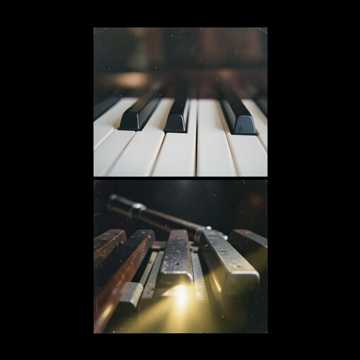
Hammered Keys
A fierce classical piano performance that transforms spacious rubato into a relentless storm of staccato octaves and percussive chords, culminating in a hard cinematic cadence reinforced by timpani, low brass, and rising strings.
07:47
2026-08-15
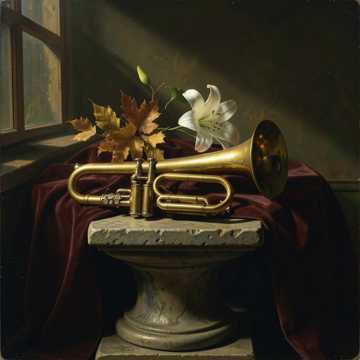
Vivaldi Waltzer D-dur 150826
Ein brillanter Walzer in D-Dur für Streicher, Cembalo, Pauken, Solotrompeten und Oboen. Virtuose Dialoge, festliche Rhythmen und barocke Klangpracht verbinden sich zu einer schwungvollen Hommage an Vivaldi.
04:41
2026-08-15
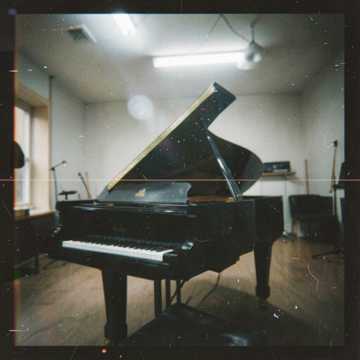
Piano Temper
A witty classical piano instrumental with a sassy6/8 groove. Staccato bass patterns spar with nimble runs, mordents, octave jumps, and bright chord stabs, creating a polished, theatrical mood that feels playful, confident, and delightfully unpredictable.
04:22
2026-08-15
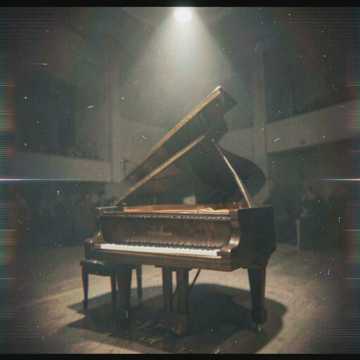
Broken Cadence
A playful piano motif gradually reveals loneliness beneath its clipped rhythm. Sparse octaves, tense chords, harsher accents, and minor arpeggios create a dramatic emotional arc, ending with a forceful return that feels defiant, fractured, and unresolved.
03:36
2026-08-15

Velvet Snare Waltz
A polished piano waltz that disguises sadness beneath a buoyant rhythmic bounce. Sparse verses, chromatic pre-chorus tension, expansive arpeggiated climaxes, and a fragile bridge create a cinematic arc of restraint, unease, vulnerability, and final emotional return.
05:13
2026-08-15
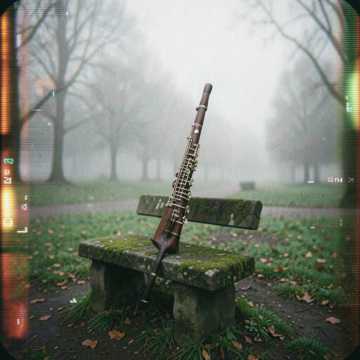
Vivaldi Waltzer c-moll 150826
A dark, elegant C-minor waltz inspired by Vivaldi, where agile strings create rhythmic momentum and a virtuosic solo bassoon adds theatrical depth. Its baroque character suits period-drama scenes, refined ballroom settings, artistic performances, and moments of suspenseful grandeur.
02:13
2026-08-15
Vivaldi Waltzer c-moll 150826
An instrumental c-minor waltz shaped by vivid orchestral contrasts and a virtuosic solo bassoon. Baroque-inspired momentum meets shadowed elegance, creating a theatrical dance that feels both courtly and restless, suited to historical scenes, refined performances, and cinematic moments of suspense.
03:43
2026-08-15
In the Bleak Midwinter
A reverent Christmas meditation portraying Christ's humble birth amid winter silence. Through polyphonic fugue, Gregorian-inspired male voices, Dorian harmonies, and rising Alleluias, the song moves from darkness and humility toward communal worship, enduring faith, spiritual surrender, and universal hope.
04:54
2026-08-15
In the Bleak Midwinter
A reverent Christmas choral meditation tracing Christ’s humble birth from the silence of winter to universal praise. Bach-inspired fugue writing, Gregorian chant, Dorian harmonies, oboe, and celli create a solemn cathedral atmosphere of humility, redemption, endurance, and spiritual hope.
04:28
2026-08-15
Introduction to Classical Music
Classical music, often referred to simply as 'Classical,' is a broad genre of music that originated in the traditions of Western culture, encompassing a wide period from the medieval era to the present day. Its development spans several centuries, with its roots deeply embedded in the liturgical and secular music of the Western world. The genre is characterized by its emphasis on formal styles, complex structures, and the use of notation to ensure precise performances. The Classical era itself, which ranges from the mid-18th century to the early 19th century, is often considered the pinnacle of this genre, marked by the works of composers like Haydn, Mozart, and Beethoven. Over time, Classical music has evolved, influencing and incorporating various styles and innovations from different periods and regions.
Sub-tags and Classifications of Classical Music
Baroque
The Baroque period, spanning from approximately 1600 to 1750, is known for its elaborate musical ornamentation, contrasting dynamics, and the development of tonality. Key composers of this era include Johann Sebastian Bach, George Frideric Handel, and Antonio Vivaldi. Baroque music often features complex counterpoint and was typically composed for both religious and secular settings.
Classical Period
The Classical period, roughly from 1750 to 1820, emphasized clarity, balance, and form, moving away from the ornate style of the Baroque. Composers such as Wolfgang Amadeus Mozart, Joseph Haydn, and Ludwig van Beethoven are central to this era. The music of the Classical period is known for its clear structure, with the sonata form being a dominant compositional method.
Romantic
The Romantic era, from about 1820 to 1900, focused on emotional expression, individualism, and the expansion of the orchestra. This period saw composers like Franz Schubert, Johannes Brahms, and Richard Wagner pushing the boundaries of traditional forms to convey deeper emotional content and dramatic intensity. Romantic music often features rich harmonies, dynamic contrasts, and expansive melodic lines.
20th Century and Contemporary
The 20th century and contemporary classical music reflect a broad range of styles, techniques, and ideologies, from the atonal works of Arnold Schoenberg to the minimalist compositions of Philip Glass. This period is marked by experimentation, the blending of classical traditions with modern and popular music influences, and the use of new technologies in composition and performance.
Famous Artists and Works in Classical Music
Ludwig van Beethoven
Beethoven is one of the most influential composers in the history of Western music. His works, including the 'Symphony No. 9' and 'Moonlight Sonata,' bridge the Classical and Romantic eras, showcasing his innovative use of form, harmony, and orchestration. Beethoven's music is renowned for its emotional depth and technical brilliance.
Symphony No. 9 in D minor, Op. 125
Beethoven's Symphony No. 9, also known as the 'Choral Symphony,' is a monumental work that introduced the use of a choir and vocal soloists in the final movement. The symphony's fourth movement features the famous 'Ode to Joy' theme, which has become an anthem for unity and brotherhood. This work is celebrated for its innovative structure, emotional depth, and powerful themes.
Wolfgang Amadeus Mozart
Mozart was a prolific composer who produced more than 600 works, including symphonies, operas, chamber music, and concertos. His compositions, such as 'The Magic Flute' and 'Requiem,' are celebrated for their melodic beauty, structural clarity, and emotional expressiveness.
The Magic Flute, K. 620
Mozart's 'The Magic Flute' is a two-act opera that blends elements of German singspiel with deep philosophical themes. The work is noted for its masterful use of orchestration, memorable arias, and the portrayal of complex characters. The opera remains one of the most performed works in the operatic repertoire.
Johann Sebastian Bach
Bach is often considered the greatest composer of the Baroque era. His works, such as the 'Brandenburg Concertos' and 'The Well-Tempered Clavier,' are revered for their complex counterpoint, rich harmonies, and intellectual depth. Bach's music has had a profound influence on subsequent generations of composers.
Brandenburg Concertos
Bach's 'Brandenburg Concertos' are a collection of six instrumental works that exemplify the Baroque concerto grosso form. Each concerto features a unique combination of instruments and showcases Bach's skill in fusing counterpoint with virtuosic demands. These works are celebrated for their complexity, creativity, and enduring appeal.
Frédéric Chopin
Chopin, a leading figure in the Romantic era, is known for his piano compositions, which include nocturnes, études, and sonatas. His music is characterized by its poetic lyricism, technical demands, and emotional intensity. Works like the 'Nocturne in E-flat major, Op. 9 No. 2' remain cornerstones of the piano repertoire.
Piano Concerto No. 2 in F minor, Op. 21
Chopin's Piano Concerto No. 2 is a Romantic masterpiece that highlights the expressive possibilities of the piano. The concerto is known for its lyrical second movement, which showcases Chopin's ability to convey deep emotion through subtle harmonic shifts and delicate phrasing. This work remains a favorite among pianists and audiences alike.
Application Scenarios for Classical Music
Classical music is frequently used in movie soundtracks to enhance the emotional depth of scenes and convey complex narratives. Works such as Richard Wagner's 'Ride of the Valkyries' or Johann Pachelbel's 'Canon in D' are often used to evoke specific moods or underscore dramatic moments.
Movie Soundtracks
In advertising, Classical music is often used to create a sense of elegance, sophistication, and timelessness. Pieces like Mozart's 'Eine kleine Nachtmusik' are commonly used in commercials to convey a refined atmosphere or appeal to a high-end market.
Advertising Music
Classical music is also used in video games to enhance the gaming experience, particularly in titles that require a grand or epic feel. For example, Gustav Holst's 'Mars, the Bringer of War' from 'The Planets' suite is often used in strategy games to create tension and anticipation.
Game Background Music