Free Classical Music Generator Powered by AI
Turn text into high-quality Classical music effortlessly – no login required!

music.toolTips
Lucian
Lucian is a dark, mysterious metal-classical composition shaped by moderate pacing and contrasting vocals. Its sparse lyrical material leaves room for ominous atmosphere, gothic drama, and a sense of hidden conflict.
04:37
2026-08-23
Daff
یہ نعت دنیاوی فکروں سے بے نیاز ہو کر مدینے کی طرف بڑھنے، مصطفیٰ ﷺ کی محبت، درِ رسول ﷺ کی رحمت اور سبز گنبد کی عقیدت کا اظہار ہے۔ کلام عاشقانِ رسول ﷺ کے لیے امید، عاجزی اور روحانی مسرت کا پیغام پیش کرتا ہے۔
02:45
2026-08-23
Tumary
یہ کلاسیکی نعت ہر شے کو حضور اکرم ﷺ کے لیے وقف کرنے کی عقیدت پیش کرتی ہے۔ اشعار میں کائنات، زبان، جان اور انبیائے کرام و صحابۂ کرام کے وسیلے سے محبت، ثنا اور روحانی وابستگی کا اظہار ہے۔
02:07
2026-08-22
midash
Midash follows a wounded survivor who rises from fear, broken promises, and silence into a powerful declaration of self-belief. Blending cinematic pop, opera, and classical drama, the song builds through soaring vocals toward an inspiring climax about turning scars into strength and reaching the sky.
04:29
2026-08-22
midash
Midash follows a wounded soul who transforms betrayal, fear, and scars into strength. Through cinematic pop and operatic intensity, the singer breaks through silence, refuses surrender, and rises toward freedom, love, and transcendence.
04:25
2026-08-22

Hey
Ballade romantique où Renette déclare à Gédéon un amour fidèle et réparateur. Portée par le piano et une voix féminine, la chanson transforme les épreuves passées en promesse d'avenir, de présence et d'engagement pour toujours.
03:05
2026-08-22
रातें दी सेयाई
ਇਹ ਗੀਤ ਵਿਛੋੜੇ ਦੀਆਂ ਲੰਮੀਆਂ ਰਾਤਾਂ, ਅੱਖਾਂ ਵਿੱਚ ਵੱਸੀਆਂ ਯਾਦਾਂ ਅਤੇ ਤਨਹਾਈ ਨਾਲ ਗੱਲਾਂ ਕਰਦੇ ਦਿਲ ਦੀ ਕਹਾਣੀ ਹੈ। ਬਾਂਸਰੀ, ਸਿਤਾਰ, ਪਿਆਨੋ ਅਤੇ ਮਹਿਲਾ ਸੁਰ ਇਸਦੀ ਉਦਾਸੀ ਨੂੰ ਰੂਹਾਨੀ ਗਹਿਰਾਈ ਦਿੰਦੇ ਹਨ।
05:25
2026-08-22

wow
Wow follows a wounded survivor who transforms fear, scars, and broken promises into radiant strength. Beginning with intimate melancholy, the song rises through operatic vocals and cinematic dynamics toward a triumphant declaration of resilience, self-belief, and limitless ambition.
03:12
2026-08-22
forever
Forever follows a survivor who transforms pain, fear, and past scars into inner strength. Through dramatic vocal escalation and an anthemic chorus, the song becomes a declaration of resilience, self-belief, and the unstoppable desire to rise above darkness and touch the sky.
04:32
2026-08-22
Qui suis-je ?
À travers l'image du levant éternel, la chanson explore l'identité, le temps, la jeunesse et le désespoir. Malgré les blessures et la désillusion, la beauté du monde offre une lumière fragile, capable de ranimer l'âme et de transformer la tristesse en espoir.
06:53
2026-08-22
Qui suis-je ?
À travers l’image du levant éternel, la chanson explore l’identité, le temps qui passe, la fragilité du corps et l’espoir. Entre désespoir et émerveillement, l’aube et le couchant deviennent des symboles de renaissance, de beauté fugace et de résilience intérieure.
07:37
2026-08-22
پیش۱
این ترانه روایت فردی است که در دیگری شباهتهای عمیقی با خود میبیند و معنای عشق را تجربه میکند، اما از نشاندادن هویت واقعیاش میترسد. تکرار بندها، حس دلبستگی، تردید و چرخه پاسخهای خوب و بد را برجسته میکند.
02:52
2026-08-21
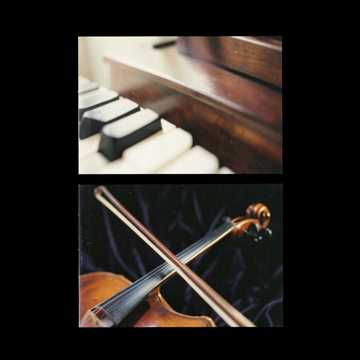
Bach Bass Riot
A dramatic140 BPM halftime instrumental that fuses Bach-inspired counterpoint with modern dubstep force. Piano, cello, pizzicato strings, and harpsichord establish the theme before crushing bass drops, brass attacks, tender string relief, and rapid violin runs create a theatrical surge of tension and release.
02:42
2026-08-21
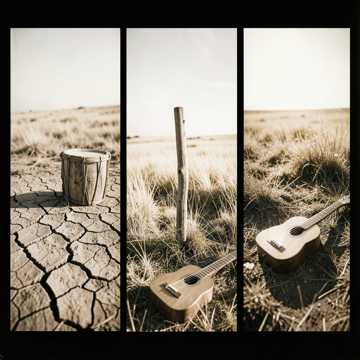
Steppe Ancestors
A slow ceremonial instrumental honoring ancestral memory through Mongolian-inspired pipe melodies, plucked mandolin, swelling strings, and frame drums. Its sepia-toned orchestration moves from intimate solitude to expansive cinematic grandeur, evoking open steppes, heritage, remembrance, and timeless journeys.
03:52
2026-08-21

Temon
Una balada romántica sobre un amor que transforma la tristeza en esperanza. El narrador agradece la llegada de una mujer que le da un hogar emocional y promete acompañarla con hechos, incluso frente al paso del tiempo y las dificultades.
04:14
2026-08-21
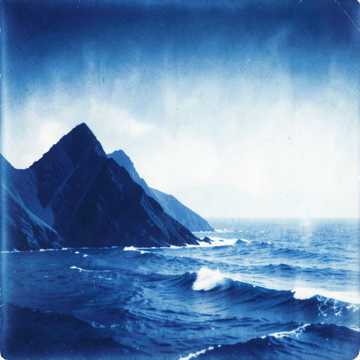
Qui suis-je ?
Cette chanson introspective suit une âme en quête d’identité, suspendue entre passé, présent et avenir. Le levant éternel symbolise l’espoir, tandis que la mer, la vieillesse et le désespoir rappellent la fragilité de la vie et l’urgence d’embrasser chaque instant.
06:45
2026-08-21
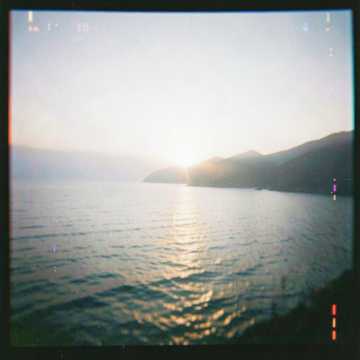
Qui suis-je ?
Une méditation lyrique sur l'identité, le passage du temps et la douleur de vivre. Portée par l'image récurrente du soleil levant, la chanson oppose désespoir, vieillissement et promesses déçues à une beauté intérieure capable de ranimer l'âme.
07:15
2026-08-21
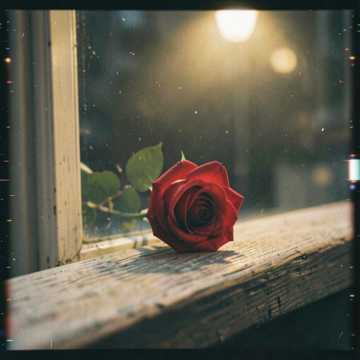
ATIYA
ATIYA is an intimate promise of enduring love. Set beneath golden lights and moonlit roses, it follows two hearts drawn together by fate, finding comfort in laughter, touch, and the choice to love each other through every changing season.
03:09
2026-08-21

Qui suis je !
Cette chanson suit une âme en quête d identité, partagée entre désespoir, nostalgie et émerveillement. Le lever et le coucher du soleil symbolisent l espoir éternel, tandis que le temps, la jeunesse et les blessures intérieures rappellent la fragilité de l existence.
08:00
2026-08-21
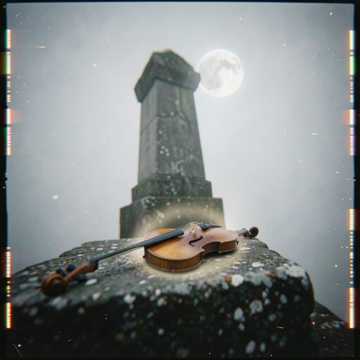
Nèotania hymne national
Cette hymne fictive célèbre la Néotanie, son territoire d'Hatikoua, sa mémoire et sa souveraineté. Entre grandeur cérémonielle et mélancolie hivernale, le piano et le violon accompagnent l'espoir placé dans le Prince Héritier Matin II.
03:43
2026-08-20
Introduction to Classical Music
Classical music, often referred to simply as 'Classical,' is a broad genre of music that originated in the traditions of Western culture, encompassing a wide period from the medieval era to the present day. Its development spans several centuries, with its roots deeply embedded in the liturgical and secular music of the Western world. The genre is characterized by its emphasis on formal styles, complex structures, and the use of notation to ensure precise performances. The Classical era itself, which ranges from the mid-18th century to the early 19th century, is often considered the pinnacle of this genre, marked by the works of composers like Haydn, Mozart, and Beethoven. Over time, Classical music has evolved, influencing and incorporating various styles and innovations from different periods and regions.
Sub-tags and Classifications of Classical Music
Baroque
The Baroque period, spanning from approximately 1600 to 1750, is known for its elaborate musical ornamentation, contrasting dynamics, and the development of tonality. Key composers of this era include Johann Sebastian Bach, George Frideric Handel, and Antonio Vivaldi. Baroque music often features complex counterpoint and was typically composed for both religious and secular settings.
Classical Period
The Classical period, roughly from 1750 to 1820, emphasized clarity, balance, and form, moving away from the ornate style of the Baroque. Composers such as Wolfgang Amadeus Mozart, Joseph Haydn, and Ludwig van Beethoven are central to this era. The music of the Classical period is known for its clear structure, with the sonata form being a dominant compositional method.
Romantic
The Romantic era, from about 1820 to 1900, focused on emotional expression, individualism, and the expansion of the orchestra. This period saw composers like Franz Schubert, Johannes Brahms, and Richard Wagner pushing the boundaries of traditional forms to convey deeper emotional content and dramatic intensity. Romantic music often features rich harmonies, dynamic contrasts, and expansive melodic lines.
20th Century and Contemporary
The 20th century and contemporary classical music reflect a broad range of styles, techniques, and ideologies, from the atonal works of Arnold Schoenberg to the minimalist compositions of Philip Glass. This period is marked by experimentation, the blending of classical traditions with modern and popular music influences, and the use of new technologies in composition and performance.
Famous Artists and Works in Classical Music
Ludwig van Beethoven
Beethoven is one of the most influential composers in the history of Western music. His works, including the 'Symphony No. 9' and 'Moonlight Sonata,' bridge the Classical and Romantic eras, showcasing his innovative use of form, harmony, and orchestration. Beethoven's music is renowned for its emotional depth and technical brilliance.
Symphony No. 9 in D minor, Op. 125
Beethoven's Symphony No. 9, also known as the 'Choral Symphony,' is a monumental work that introduced the use of a choir and vocal soloists in the final movement. The symphony's fourth movement features the famous 'Ode to Joy' theme, which has become an anthem for unity and brotherhood. This work is celebrated for its innovative structure, emotional depth, and powerful themes.
Wolfgang Amadeus Mozart
Mozart was a prolific composer who produced more than 600 works, including symphonies, operas, chamber music, and concertos. His compositions, such as 'The Magic Flute' and 'Requiem,' are celebrated for their melodic beauty, structural clarity, and emotional expressiveness.
The Magic Flute, K. 620
Mozart's 'The Magic Flute' is a two-act opera that blends elements of German singspiel with deep philosophical themes. The work is noted for its masterful use of orchestration, memorable arias, and the portrayal of complex characters. The opera remains one of the most performed works in the operatic repertoire.
Johann Sebastian Bach
Bach is often considered the greatest composer of the Baroque era. His works, such as the 'Brandenburg Concertos' and 'The Well-Tempered Clavier,' are revered for their complex counterpoint, rich harmonies, and intellectual depth. Bach's music has had a profound influence on subsequent generations of composers.
Brandenburg Concertos
Bach's 'Brandenburg Concertos' are a collection of six instrumental works that exemplify the Baroque concerto grosso form. Each concerto features a unique combination of instruments and showcases Bach's skill in fusing counterpoint with virtuosic demands. These works are celebrated for their complexity, creativity, and enduring appeal.
Frédéric Chopin
Chopin, a leading figure in the Romantic era, is known for his piano compositions, which include nocturnes, études, and sonatas. His music is characterized by its poetic lyricism, technical demands, and emotional intensity. Works like the 'Nocturne in E-flat major, Op. 9 No. 2' remain cornerstones of the piano repertoire.
Piano Concerto No. 2 in F minor, Op. 21
Chopin's Piano Concerto No. 2 is a Romantic masterpiece that highlights the expressive possibilities of the piano. The concerto is known for its lyrical second movement, which showcases Chopin's ability to convey deep emotion through subtle harmonic shifts and delicate phrasing. This work remains a favorite among pianists and audiences alike.
Application Scenarios for Classical Music
Classical music is frequently used in movie soundtracks to enhance the emotional depth of scenes and convey complex narratives. Works such as Richard Wagner's 'Ride of the Valkyries' or Johann Pachelbel's 'Canon in D' are often used to evoke specific moods or underscore dramatic moments.
Movie Soundtracks
In advertising, Classical music is often used to create a sense of elegance, sophistication, and timelessness. Pieces like Mozart's 'Eine kleine Nachtmusik' are commonly used in commercials to convey a refined atmosphere or appeal to a high-end market.
Advertising Music
Classical music is also used in video games to enhance the gaming experience, particularly in titles that require a grand or epic feel. For example, Gustav Holst's 'Mars, the Bringer of War' from 'The Planets' suite is often used in strategy games to create tension and anticipation.
Game Background Music