Free Classical Music Generator Powered by AI
Turn text into high-quality Classical music effortlessly – no login required!

music.toolTips
Hhhhhh
यह गीत महबूब की आँखों की मस्ती में डूबे आशिक़ की कहानी है, जिसे शराब की नहीं, केवल प्रेम और अपनाए जाने की ज़रूरत है। धीमे आलाप से शुरू होकर क़व्वाली का जोश, तानों और तालियों के साथ चरम भावनात्मक उत्कर्ष तक पहुँचता है।
08:00
2026-09-04
Cresti Tremendae Majestatis
Canticum supplex coram tremenda maiestate Creatoris resonat. Chorus, inter timorem et spem, misericordiam, lucem et pacem implorat. Tenebrae interiores paulatim in fiduciam convertuntur, dum anima errans requiem et salutem quaerit.
02:51
2026-09-03
CUANDO LLUEVE EN MIAMI
Una mujer recuerda con ternura un amor del pasado cada vez que llueve en Miami. Aunque ambos siguieron caminos distintos, la lluvia revive aquella tarde frente al mar y confirma que ciertos recuerdos permanecen, no para regresar, sino para agradecer lo bonito de haber vivido.
03:18
2026-09-03
Струнный этюд
Инструментальный этюд для сольной классической гитары в позднеромантическом духе. Драматическое минорное вступление развивается через арпеджио, стремительные пассажи и лирическую мелодию, постепенно раскрывая светлое мажорное завершение. Интимная атмосфера концертного зала подчеркивает виртуозность, хрупкость и эмоциональную глубину исполнения.
01:30
2026-09-03
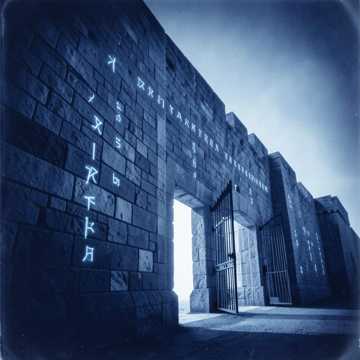
Ordo
Carmen celebrat Quvariam aeternam sub imperio Gaii Quvarii, ubi cives et milites ordine, fide atque disciplina uni gloriae serviunt. Versus obscuri in refranum triumphale erumpunt, dum chorus proclamant: Ordo, Vis, Aeternitas.
03:45
2026-09-03
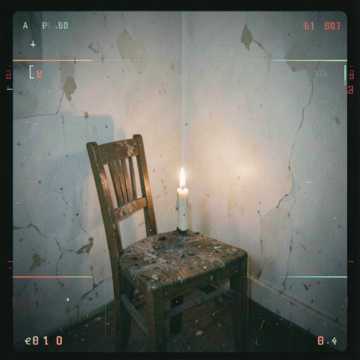
अरुण की लौ
यह गीत अरुण नामक उस व्यक्ति की कहानी है जो दूसरों को उजाला देते-देते स्वयं को जला रहा है। आत्ममंथन, करुणा और पुनरागमन के माध्यम से गीत आत्म-संरक्षण और अपनी आंतरिक लौ बचाने का संदेश देता है।
04:31
2026-09-02
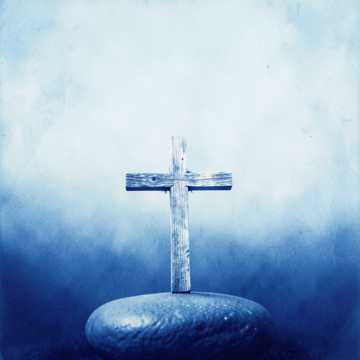
DANKBAAR
DANKBAAR vertel van 'n gelowige se reis deur pyn, storms en gebrokenheid na hoop, betekenis en vreugde. Die lied getuig van God se troue liefde en genade, en vier elke nuwe dag as 'n gawe deur 'n eenvoudige, kragtige refrein van dankbaarheid.
03:12
2026-09-02

DANKBAAR
DANKBAAR vertel van 'n gelowige se reis deur pyn, storms en gebrokenheid na hoop en herstel. Met 'n hart van lof erken die sanger Jesus se trou, genade en voortdurende liefde, terwyl elke asem en nuwe môre as 'n gawe gevier word.
03:20
2026-09-02

DANKBAAR
DANKBAAR is 'n opregte loflied waarin die sanger terugkyk op pyn, storms en gebrokenheid, maar God se getrouheid en genade vier. Met 'n sagte klassieke aanslag verkondig die lied nuwe hoop, betekenis en dankbaarheid vir elke asem en elke dag.
03:20
2026-09-02
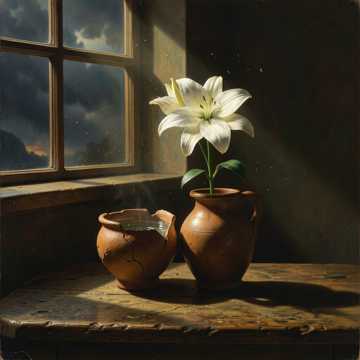
DANKBAAR
DANKBAAR is 'n getuienis van geloof en dankbaarheid. Die verteller kyk terug op pyn, gebrokenheid en donker tye, maar erken God se getrouheid, genade en liefde. Met 'n hoopvolle hart kies hy om God se goedheid te loof en sy verhaal te verkondig.
03:30
2026-09-02
Royal Slush
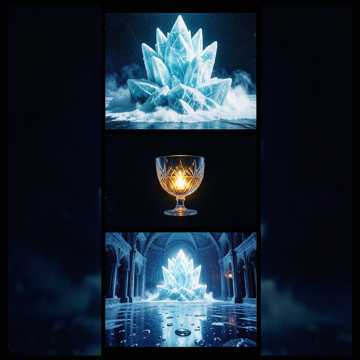
A theatrical ice-court anthem voiced by an arrogant sovereign of slush. Operatic female vocals, choral force, spoken-word commands, and classical drama portray elitism, dominance, and fragile superiority, making the song fit for fantasy villains, parody performances, stage battles, and cinematic character themes.
05:45
2026-09-02
Royal Slush
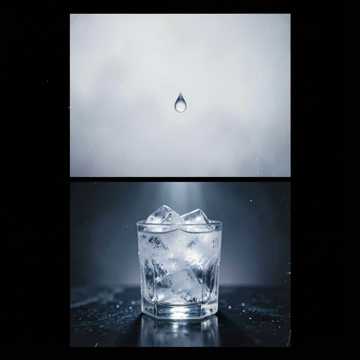
Royal Slush portrays an imperious ruler of a frozen drink court who condemns ordinary tastes and demands absolute submission. Its grand, icy imagery turns elitism into theatrical satire, reinforced by commanding refrains, operatic drama, choral force, and a climactic frozen-throne proclamation.
05:40
2026-09-02

Royal Slush
Royal Slush portrays an imperious ruler of an icy beverage kingdom who dismisses ordinary drinks and demands absolute reverence. Through operatic vocals, choral grandeur, spoken-word commands, and dramatic repetition, the song transforms arrogance, elitism, and theatrical dominance into a surreal frozen-throne spectacle.
04:30
2026-09-02
Немецкий этюд
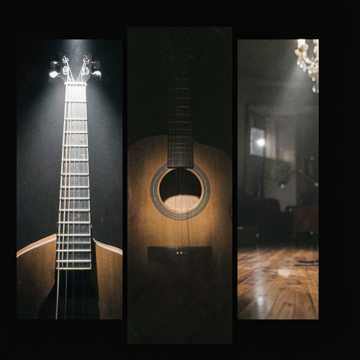
Инструментальный этюд для сольной классической гитары, построенный на стремительном пульсе6/8, четком мотиве и повторяющихся басах. Музыка развивается через модуляции и контрапункт, сохраняя немецкую строгость, а светлый финал завершается мягким замедлением.
03:19
2026-09-02

اتود دو ماژور
اتودی virtuosic و پرشتاب در گام دو ماژور که با آرپژهای گسترده، گامنوازیهای برقآسا و اجرای بسیار دشوار پیانو، شکوه تکنیک کلاسیک را به نمایش میگذارد. این قطعه بیکلام سرشار از انرژی، تمرکز و هیجان موسیقایی است.
02:25
2026-09-02
বৃথা এ জীবন
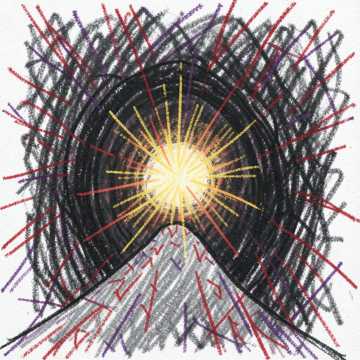
প্রিয় মানুষকে ছাড়া জীবনকে অর্থহীন মনে করা এক প্রেমিকের গভীর আকুলতা এই গানের মূল বিষয়। ভালোবাসা, বিচ্ছেদের ভয়, নির্ভরতা ও ফিরে পাওয়ার আকাঙ্ক্ষা বলিউডীয় রোমান্টিক সুরে আবেগময়ভাবে প্রকাশ পেয়েছে।
04:20
2026-09-02

ভালোবেসে ফেলেছি
এটি প্রথম প্রেমের অনাবিল অনুভূতি ও গভীর আত্মসমর্পণের গান। প্রিয় মানুষের হাসি, চোখ, সঙ্গ এবং ভালোবাসাকে ঘিরে গড়ে ওঠা স্বপ্ন এখানে কোমল, আনন্দময় ও স্বপ্নিল সুরে প্রকাশ পেয়েছে। গানটি আজীবন একসঙ্গে পথ চলার অঙ্গীকারও বহন করে।
05:25
2026-09-02

تند و باشکوه
تند و باشکوه یک تکنوازی پیانوی کلاسیک در لا ماژور است که با آرپژها و پاساژهای سریع آغاز میشود، به مضمونی سنگین و اندوهناک در مینور میرسد و سپس با کادانسهای درخشان، اکتاوهای پرقدرت و پایانی تابناک به اوج میرسد.
03:56
2026-09-02

The Poet
The Poet follows a wordsmith who transforms heartbreak into verses while struggling to control a love story that resists rewriting. Moving from intimate reflection to playful ska and dramatic classical passages, the song ultimately reveals that the beloved was not merely inspiration, but the poem itself.
05:42
2026-09-01

The Poet
The Poet follows a writer who turns heartbreak into verses, jokes, metaphors, and music while trying to escape an unforgettable love. Through indie pop, classical drama, ska brightness, and melodic rap, the song moves from emotional disguise toward acceptance, revealing that every poem was also rewriting the poet.
05:49
2026-09-01
Introduction to Classical Music
Classical music, often referred to simply as 'Classical,' is a broad genre of music that originated in the traditions of Western culture, encompassing a wide period from the medieval era to the present day. Its development spans several centuries, with its roots deeply embedded in the liturgical and secular music of the Western world. The genre is characterized by its emphasis on formal styles, complex structures, and the use of notation to ensure precise performances. The Classical era itself, which ranges from the mid-18th century to the early 19th century, is often considered the pinnacle of this genre, marked by the works of composers like Haydn, Mozart, and Beethoven. Over time, Classical music has evolved, influencing and incorporating various styles and innovations from different periods and regions.
Sub-tags and Classifications of Classical Music
Baroque
The Baroque period, spanning from approximately 1600 to 1750, is known for its elaborate musical ornamentation, contrasting dynamics, and the development of tonality. Key composers of this era include Johann Sebastian Bach, George Frideric Handel, and Antonio Vivaldi. Baroque music often features complex counterpoint and was typically composed for both religious and secular settings.
Classical Period
The Classical period, roughly from 1750 to 1820, emphasized clarity, balance, and form, moving away from the ornate style of the Baroque. Composers such as Wolfgang Amadeus Mozart, Joseph Haydn, and Ludwig van Beethoven are central to this era. The music of the Classical period is known for its clear structure, with the sonata form being a dominant compositional method.
Romantic
The Romantic era, from about 1820 to 1900, focused on emotional expression, individualism, and the expansion of the orchestra. This period saw composers like Franz Schubert, Johannes Brahms, and Richard Wagner pushing the boundaries of traditional forms to convey deeper emotional content and dramatic intensity. Romantic music often features rich harmonies, dynamic contrasts, and expansive melodic lines.
20th Century and Contemporary
The 20th century and contemporary classical music reflect a broad range of styles, techniques, and ideologies, from the atonal works of Arnold Schoenberg to the minimalist compositions of Philip Glass. This period is marked by experimentation, the blending of classical traditions with modern and popular music influences, and the use of new technologies in composition and performance.
Famous Artists and Works in Classical Music
Ludwig van Beethoven
Beethoven is one of the most influential composers in the history of Western music. His works, including the 'Symphony No. 9' and 'Moonlight Sonata,' bridge the Classical and Romantic eras, showcasing his innovative use of form, harmony, and orchestration. Beethoven's music is renowned for its emotional depth and technical brilliance.
Symphony No. 9 in D minor, Op. 125
Beethoven's Symphony No. 9, also known as the 'Choral Symphony,' is a monumental work that introduced the use of a choir and vocal soloists in the final movement. The symphony's fourth movement features the famous 'Ode to Joy' theme, which has become an anthem for unity and brotherhood. This work is celebrated for its innovative structure, emotional depth, and powerful themes.
Wolfgang Amadeus Mozart
Mozart was a prolific composer who produced more than 600 works, including symphonies, operas, chamber music, and concertos. His compositions, such as 'The Magic Flute' and 'Requiem,' are celebrated for their melodic beauty, structural clarity, and emotional expressiveness.
The Magic Flute, K. 620
Mozart's 'The Magic Flute' is a two-act opera that blends elements of German singspiel with deep philosophical themes. The work is noted for its masterful use of orchestration, memorable arias, and the portrayal of complex characters. The opera remains one of the most performed works in the operatic repertoire.
Johann Sebastian Bach
Bach is often considered the greatest composer of the Baroque era. His works, such as the 'Brandenburg Concertos' and 'The Well-Tempered Clavier,' are revered for their complex counterpoint, rich harmonies, and intellectual depth. Bach's music has had a profound influence on subsequent generations of composers.
Brandenburg Concertos
Bach's 'Brandenburg Concertos' are a collection of six instrumental works that exemplify the Baroque concerto grosso form. Each concerto features a unique combination of instruments and showcases Bach's skill in fusing counterpoint with virtuosic demands. These works are celebrated for their complexity, creativity, and enduring appeal.
Frédéric Chopin
Chopin, a leading figure in the Romantic era, is known for his piano compositions, which include nocturnes, études, and sonatas. His music is characterized by its poetic lyricism, technical demands, and emotional intensity. Works like the 'Nocturne in E-flat major, Op. 9 No. 2' remain cornerstones of the piano repertoire.
Piano Concerto No. 2 in F minor, Op. 21
Chopin's Piano Concerto No. 2 is a Romantic masterpiece that highlights the expressive possibilities of the piano. The concerto is known for its lyrical second movement, which showcases Chopin's ability to convey deep emotion through subtle harmonic shifts and delicate phrasing. This work remains a favorite among pianists and audiences alike.
Application Scenarios for Classical Music
Classical music is frequently used in movie soundtracks to enhance the emotional depth of scenes and convey complex narratives. Works such as Richard Wagner's 'Ride of the Valkyries' or Johann Pachelbel's 'Canon in D' are often used to evoke specific moods or underscore dramatic moments.
Movie Soundtracks
In advertising, Classical music is often used to create a sense of elegance, sophistication, and timelessness. Pieces like Mozart's 'Eine kleine Nachtmusik' are commonly used in commercials to convey a refined atmosphere or appeal to a high-end market.
Advertising Music
Classical music is also used in video games to enhance the gaming experience, particularly in titles that require a grand or epic feel. For example, Gustav Holst's 'Mars, the Bringer of War' from 'The Planets' suite is often used in strategy games to create tension and anticipation.
Game Background Music