Free Classical Music Generator Powered by AI
Turn text into high-quality Classical music effortlessly – no login required!

music.toolTips
Win it
Win it is a powerful sports anthem about resilience, teamwork, and learning from defeat. Sung in Tok Pisin and English, it follows the Storms boys as they rise after setbacks, reject surrender, and keep moving forward with courage, energy, and collective determination.
04:24
2026-09-10

Lune en Verre
Lune en Verre déploie une aventure orchestrale joyeuse, portée par des mélodies majeures, un violon et un violoncelle solistes, un chœur d'enfants lumineux et une montée spectaculaire des cordes discrètes vers les cuivres héroïques.
03:20
2026-09-10

Вересневий дзвін
Пісня передає хвилювання й радість початку навчального року через образи яблук, крейди, золотого листя та відлітаючих птахів. Осінь постає не лише прощанням із минулим, а й символом нового старту, підтримки родини та світлих дитячих спогадів.
04:55
2026-09-09
Sunrise
Sunrise evokes a tender, melancholic dawn through slow classical and ambient textures. Its soulful, romantic mood moves between nostalgia, mystery, and peaceful reflection, creating an intimate soundscape suited to meditation, emotional storytelling, cinematic scenes, and quiet moments of renewal.
03:04
2026-09-09
Sunrise
'Sunrise' is a profoundly moving instrumental piece blending classical motifs with ambient soul. Its very slow, melancholic tempo evokes nostalgic beauty and serene romance, painting a quiet dawn filled with gentle reflection, sad elegance, and soothing emotional depth.
03:13
2026-09-09

Sunrise B
A very slow and reflective instrumental-style composition, Sunrise evokes the quiet beauty of dawn through classical textures, ambient space, soulful melancholy, romantic warmth, and nostalgic serenity.
04:14
2026-09-09

Alternative Light
A meditative prayer about finding eternal light through grace, surrender, and devotion. Blending cinematic pop, alternative synth textures, classical atmosphere, and harmonized female vocals, the song creates a dreamy, melancholic space for reflection, spiritual contemplation, healing, and quiet emotional release.
01:52
2026-09-09
Calle de Humo
'Calle de Humo' es un tango instrumental de corte clásico del Río de la Plata. Destaca por el dramatismo del bandoneón, expresivos violines y un ritmo enérgico de dos por cuatro, que teje una atmósfera de melancolía urbana, tensión menor y giros agridulces llenos de elegancia vintage.
02:40
2026-09-08

Tears
Tears portrays a narrator retreating into pain while traveling through a bleak urban environment. Repetition intensifies feelings of worthlessness and isolation, while appeals to God and Johann Sebastian Bach create a solemn, almost liturgical atmosphere of desperation, grief, and longing for mercy.
03:28
2026-09-07

Storms boys
Dispela song em wanpela strongpela anthem bilong Storms boys. Em i tok long pundaun, kisim save long ol rong, sanap gen, na no ken givap. Pop, rock, soul, classical na metal i bung wantaim male vocals bilong givim energy long ol sports, trening na victory moments.
03:24
2026-09-07
Blackwood Harpsichord
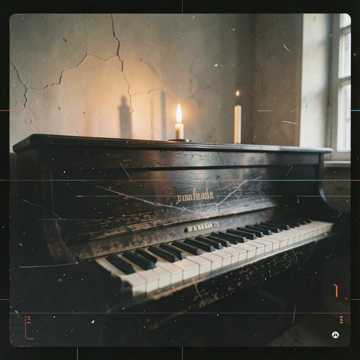
A sinister baroque instrumental driven by rapid harpsichord ornamentation, tense suspensions, low bowed strings, and contrabassoon accents. Sudden dynamic drops and ominous pacing create an intimate yet monumental gothic atmosphere, suited to haunted courts, secret rituals, period mysteries, and psychological suspense.
03:30
2026-09-07
Dreamy
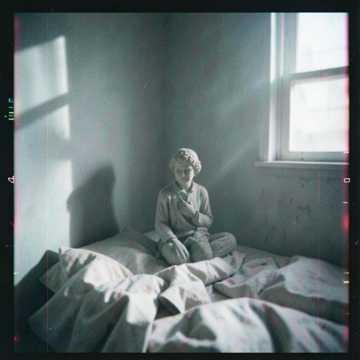
Dreamy explores the ache of wanting life to become something beautiful while remaining trapped in uncertainty. Through bedroom shadows, unfinished statues, and recurring thoughts, the song transforms emotional paralysis into a cinematic portrait of longing, tension, and fragile hope.
02:44
2026-09-07
Dreamy
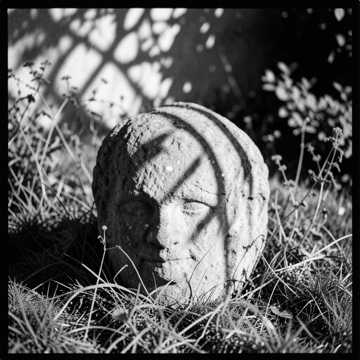
Dreamy explores the ache of wanting a future that remains unfinished. Through shadowed bedroom imagery, anxious reflection, and the recurring statue-in-stone metaphor, the song transforms emotional paralysis into a cinematic dreamscape of longing, tension, and fragile hope.
03:00
2026-09-07

Paper Heart
Paper Heart portrays the fragile aftermath of unreturned love. Through nocturnal imagery, whispered memories, and fading colors, the singer compares her emotions to paper: beautiful yet easily torn, lifted away by time, distance, and sorrow.
03:25
2026-09-07
Fugue Drop
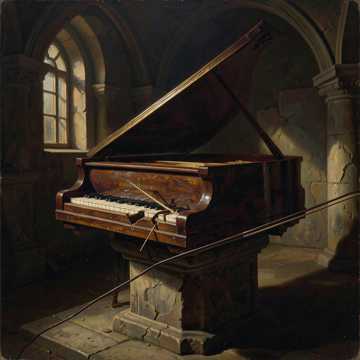
An instrumental collision of classical precision and dubstep force. Bowed strings, harpsichord, piano, brass, choir fragments, and timpani build a cinematic ascent before fracturing into swung halftime wobble, where growling synth bass and violin counterpoint create dramatic, high-impact tension.
03:50
2026-09-07
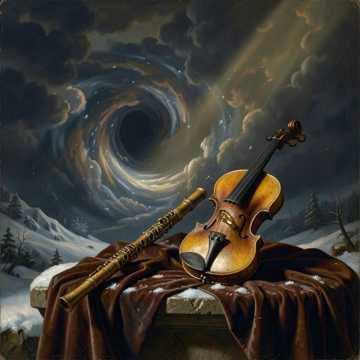
Вальс.
Нежный вальс рассказывает о девушке, чья музыка свирели звучит среди зимней бури. Метель заглушает знакомый мотив, но его зов и красота продолжают жить в памяти, соединяя тоску, надежду и светлую ностальгию.
02:32
2026-09-07
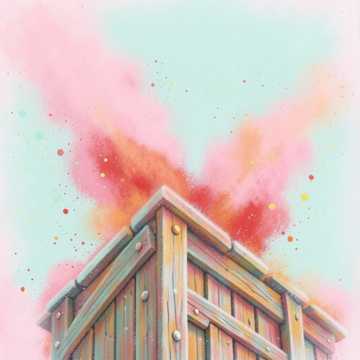
Fokus 2
Fokus2 erzählt von Menschen, die ein großes Vorhaben in erreichbare Schritte teilen. Mit jedem Stein, Brett und Ziel wächst das gemeinsame Haus. Der kraftvolle Refrain verbindet Konzentration, Zusammenhalt und Hoffnung zu einer aufbauenden Hymne über Fortschritt und gemeinsames Durchhalten.
03:01
2026-09-06
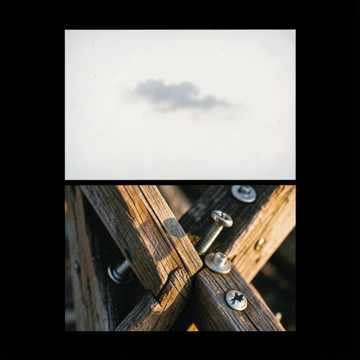
Fokus 2
Fokus2 beschreibt den Weg von überwältigenden Zielen zu klarer Struktur. Schritt für Schritt entsteht ein gemeinsames Vorhaben, getragen von Ausdauer, gegenseitiger Unterstützung und dem Vertrauen, dass jedes kleine Teil zum großen Erfolg beiträgt.
03:16
2026-09-06

Fokus 2
Fokus2 beschreibt den Weg von innerer Unordnung zu klarer Umsetzung. Schritt für Schritt entsteht aus kleinen Zielen ein großes gemeinsames Vorhaben. Der wiederholte Ruf nach Fokus vermittelt Motivation, Zusammenhalt und die Zuversicht, Herausforderungen gemeinsam zu bewältigen.
02:56
2026-09-06
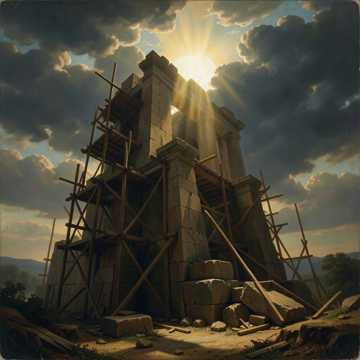
Fokus 2
Fokus2 beschreibt den Weg von innerem Chaos zu klarer Zielstrebigkeit. Mit jedem kleinen Schritt wächst ein gemeinsames Vorhaben, das durch Zusammenhalt, Ausdauer und gegenseitige Unterstützung Gestalt annimmt. Die hymnische Botschaft verbindet motivierende Energie mit einem bildhaften Aufbauprozess.
03:43
2026-09-06
Introduction to Classical Music
Classical music, often referred to simply as 'Classical,' is a broad genre of music that originated in the traditions of Western culture, encompassing a wide period from the medieval era to the present day. Its development spans several centuries, with its roots deeply embedded in the liturgical and secular music of the Western world. The genre is characterized by its emphasis on formal styles, complex structures, and the use of notation to ensure precise performances. The Classical era itself, which ranges from the mid-18th century to the early 19th century, is often considered the pinnacle of this genre, marked by the works of composers like Haydn, Mozart, and Beethoven. Over time, Classical music has evolved, influencing and incorporating various styles and innovations from different periods and regions.
Sub-tags and Classifications of Classical Music
Baroque
The Baroque period, spanning from approximately 1600 to 1750, is known for its elaborate musical ornamentation, contrasting dynamics, and the development of tonality. Key composers of this era include Johann Sebastian Bach, George Frideric Handel, and Antonio Vivaldi. Baroque music often features complex counterpoint and was typically composed for both religious and secular settings.
Classical Period
The Classical period, roughly from 1750 to 1820, emphasized clarity, balance, and form, moving away from the ornate style of the Baroque. Composers such as Wolfgang Amadeus Mozart, Joseph Haydn, and Ludwig van Beethoven are central to this era. The music of the Classical period is known for its clear structure, with the sonata form being a dominant compositional method.
Romantic
The Romantic era, from about 1820 to 1900, focused on emotional expression, individualism, and the expansion of the orchestra. This period saw composers like Franz Schubert, Johannes Brahms, and Richard Wagner pushing the boundaries of traditional forms to convey deeper emotional content and dramatic intensity. Romantic music often features rich harmonies, dynamic contrasts, and expansive melodic lines.
20th Century and Contemporary
The 20th century and contemporary classical music reflect a broad range of styles, techniques, and ideologies, from the atonal works of Arnold Schoenberg to the minimalist compositions of Philip Glass. This period is marked by experimentation, the blending of classical traditions with modern and popular music influences, and the use of new technologies in composition and performance.
Famous Artists and Works in Classical Music
Ludwig van Beethoven
Beethoven is one of the most influential composers in the history of Western music. His works, including the 'Symphony No. 9' and 'Moonlight Sonata,' bridge the Classical and Romantic eras, showcasing his innovative use of form, harmony, and orchestration. Beethoven's music is renowned for its emotional depth and technical brilliance.
Symphony No. 9 in D minor, Op. 125
Beethoven's Symphony No. 9, also known as the 'Choral Symphony,' is a monumental work that introduced the use of a choir and vocal soloists in the final movement. The symphony's fourth movement features the famous 'Ode to Joy' theme, which has become an anthem for unity and brotherhood. This work is celebrated for its innovative structure, emotional depth, and powerful themes.
Wolfgang Amadeus Mozart
Mozart was a prolific composer who produced more than 600 works, including symphonies, operas, chamber music, and concertos. His compositions, such as 'The Magic Flute' and 'Requiem,' are celebrated for their melodic beauty, structural clarity, and emotional expressiveness.
The Magic Flute, K. 620
Mozart's 'The Magic Flute' is a two-act opera that blends elements of German singspiel with deep philosophical themes. The work is noted for its masterful use of orchestration, memorable arias, and the portrayal of complex characters. The opera remains one of the most performed works in the operatic repertoire.
Johann Sebastian Bach
Bach is often considered the greatest composer of the Baroque era. His works, such as the 'Brandenburg Concertos' and 'The Well-Tempered Clavier,' are revered for their complex counterpoint, rich harmonies, and intellectual depth. Bach's music has had a profound influence on subsequent generations of composers.
Brandenburg Concertos
Bach's 'Brandenburg Concertos' are a collection of six instrumental works that exemplify the Baroque concerto grosso form. Each concerto features a unique combination of instruments and showcases Bach's skill in fusing counterpoint with virtuosic demands. These works are celebrated for their complexity, creativity, and enduring appeal.
Frédéric Chopin
Chopin, a leading figure in the Romantic era, is known for his piano compositions, which include nocturnes, études, and sonatas. His music is characterized by its poetic lyricism, technical demands, and emotional intensity. Works like the 'Nocturne in E-flat major, Op. 9 No. 2' remain cornerstones of the piano repertoire.
Piano Concerto No. 2 in F minor, Op. 21
Chopin's Piano Concerto No. 2 is a Romantic masterpiece that highlights the expressive possibilities of the piano. The concerto is known for its lyrical second movement, which showcases Chopin's ability to convey deep emotion through subtle harmonic shifts and delicate phrasing. This work remains a favorite among pianists and audiences alike.
Application Scenarios for Classical Music
Classical music is frequently used in movie soundtracks to enhance the emotional depth of scenes and convey complex narratives. Works such as Richard Wagner's 'Ride of the Valkyries' or Johann Pachelbel's 'Canon in D' are often used to evoke specific moods or underscore dramatic moments.
Movie Soundtracks
In advertising, Classical music is often used to create a sense of elegance, sophistication, and timelessness. Pieces like Mozart's 'Eine kleine Nachtmusik' are commonly used in commercials to convey a refined atmosphere or appeal to a high-end market.
Advertising Music
Classical music is also used in video games to enhance the gaming experience, particularly in titles that require a grand or epic feel. For example, Gustav Holst's 'Mars, the Bringer of War' from 'The Planets' suite is often used in strategy games to create tension and anticipation.
Game Background Music