Free Classical Music Generator Powered by AI
Turn text into high-quality Classical music effortlessly – no login required!

music.toolTips

IF I MUST
An imagined instrumental meditation on reluctant acceptance, IF I MUST moves through dark blues emotion, classical tension, and fractured jazz guitar phrasing. Its very slow pace and irregular rhythms suggest a solitary confrontation with fate, where every strange melodic turn deepens the sense of sorrow and inevitability.
02:25
2026-08-16
Cut to Fit
Cut to Fit explores a man battling jealousy, intrusive thoughts, and violent impulses while trying to protect the person he loves. Through heavy imagery, dynamic vocals, and tense metal instrumentation, the song frames self-exile as a desperate attempt to prevent inner darkness from causing harm.
07:41
2026-08-16
As the Final Drop Leaves My Soul
A dark cinematic composition that contrasts delicate piano and soothing classical textures with aggressive deathcore force. Its slow-to-fast pacing suggests a journey through grief, spiritual exhaustion, and final release, shifting between mysterious stillness and devastating emotional impact.
04:09
2026-08-16

Honor
A slow, dignified orchestral lament honoring the fallen. Grave minor strings, a solitary oboe, restrained brass, delicate snare, and distant timpani create a spacious memorial atmosphere suited to remembrance ceremonies, historical films, wartime tributes, and reflective moments of collective mourning.
03:27
2026-08-16
Mariam
Mariam,2019’da Almanya’da filizlenen, uzaklığa rağmen büyüyen derin bir aşkı anlatır. Şarkı; sabrı, özlemi ve sevilen kişinin güven veren varlığını romantik, yavaş tempolu ve içten bir anlatımla işler. Mariam, anlatıcının duası, evi ve kalbinde sonsuza dek sakladığı kişidir.
03:58
2026-08-16
Honor
A slow, restrained orchestral elegy for the fallen. Grave minor strings, a solitary oboe, muted horns, distant timpani, and vast reverb create a noble atmosphere of remembrance, sacrifice, mourning, and timeless honor.
03:30
2026-08-16
Honor
A restrained epic instrumental built on grave minor harmonies, sustained low strings, and a solitary oboe melody. Its spacious orchestration and distant percussion create an atmosphere of dignity, sacrifice, remembrance, and solemn courage, making it well suited to cinematic scenes of honor and reflection.
04:20
2026-08-16

Honor
A solemn orchestral meditation on dignity and courage, Honor moves at a very slow pace through sustained strings and a poignant oboe. Its restrained grandeur evokes remembrance ceremonies, heroic reflection, sacred vows, and the quiet strength found in sacrifice.
02:30
2026-08-16

Stellar Alignment Fantasy (Epic Zoomz Out Scene)
A slow, mysterious fantasy instrumental inspired by the Dance of the Nymphs, Stellar Alignment Fantasy unfolds like a moonlit ritual beneath shifting constellations. Its enchanting atmosphere suits magical storytelling, fantasy games, meditation, celestial scenes, and moments of quiet wonder.
02:30
2026-08-16
Temple Weed
A slow, mysterious fantasy instrumental inspired by the Dance of the Nymphs, portraying celestial bodies converging in a spellbound nightscape. Its enchanting atmosphere suggests moonlit forests, ancient magic, and a graceful journey through the stars.
02:22
2026-08-16
Stellar Alignment Fantasy (Sorrow)
A slow, mysterious fantasy composition that evokes nymphs dancing beneath aligned stars. Its delicate, otherworldly atmosphere suits enchanted forests, celestial rituals, magical storytelling, dreamlike relaxation, and cinematic scenes filled with wonder, secrecy, and timeless beauty.
02:33
2026-08-16

JR instrus
An instrumental-style composition with moderate pacing, classical elegance, romantic color, and energetic optimism. Its motivational and happy character makes it suitable for uplifting scenes, celebratory content, creative presentations, and moments that need warmth and forward movement.
03:43
2026-08-15
Vivaldi- Flöte- F-dur-150826-002
Dieses langsame arioso entfaltet in F-Dur eine feierliche, zugleich innige Atmosphäre. Die virtuose Blockflöte führt durch geschmeidige melodische Linien, während Streicher und Continuo ein fein gezeichnetes barockes Fundament schaffen. Der zweite Satz wirkt wie eine zeitlose Hommage an Vivaldis elegante Klangsprache.
04:00
2026-08-15
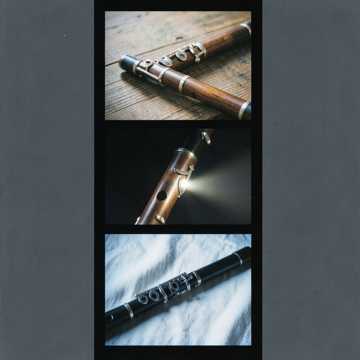
Vivaldi- Flöte- F-dur-150826-002
A slow, lyrical Baroque movement in F major, shaped by warm strings, continuo, and a virtuoso recorder. Its arioso character evokes Vivaldi, balancing serene contemplation with ornamented melodic brilliance and the refined drama of an intimate concerto setting.
02:50
2026-08-15
Vivaldi- Flöte- F-dur-150826-003-Ron
Ein lebhaftes F-Dur-Rondo im3/8-Takt, geprägt von virtuoser Blockflöte, federndem Jig-Rhythmus und festlichem Streicherklang. Das Werk verbindet barocke Eleganz mit tänzerischer Energie und erinnert stilistisch an Vivaldis brillanten Konzertstil.
02:00
2026-08-15
Vivaldi- Flöte- F-dur-150826-003
A bright, fast-moving Baroque orchestral piece in F major, driven by a dancing3/8 jig pulse. Virtuosic recorder passages sparkle above energetic strings and continuo, creating an elegant, festive atmosphere suited to period-inspired performances, cultural events, study, and refined historical settings.
02:54
2026-08-15
Vivaldi- Flöte- F-dur-150826-003
Ein lebhafter Walzer in F-Dur entfaltet barocke Pracht durch virtuose Blockflötenlinien, geschmeidige Streicher und ein tragendes Continuo. Die Musik wirkt festlich, elegant und verspielt, ideal für historische Szenen, höfische Tänze, Konzertmomente oder stilvolle kreative Projekte.
01:53
2026-08-15
Vivaldi- Flöte- F-dur-150826
Ein lebhaftes F-Dur-Barockstück mit virtuoser Blockflöte, flinkem Streichensemble und tragendem Continuo. Die allegroartige Bewegung, festliche Klarheit und tänzerische Präzision erinnern an Vivaldis konzertante Klangsprache und eignen sich für elegante, historische und dynamische Bildwelten.
03:19
2026-08-15
Fantazia for Organ c-minor-viv-150826
A wordless c-minor organ fantasia driven by fierce Baroque momentum. Its brisk, Vivaldi-inspired allegro figures build fear, anger, and deep dramatic pressure before surging into a massive, cathedral-shaking climax.
03:48
2026-08-15
Fantazia for Organ c-minor-viv-150826
A fierce instrumental fantasia in C minor, driven by allegro momentum and monumental organ sonorities. Its angry, fearful atmosphere channels Baroque drama through rapid passages, deep harmonic tension, and a relentless crescendo toward an overwhelming final sound.
04:17
2026-08-15
Introduction to Classical Music
Classical music, often referred to simply as 'Classical,' is a broad genre of music that originated in the traditions of Western culture, encompassing a wide period from the medieval era to the present day. Its development spans several centuries, with its roots deeply embedded in the liturgical and secular music of the Western world. The genre is characterized by its emphasis on formal styles, complex structures, and the use of notation to ensure precise performances. The Classical era itself, which ranges from the mid-18th century to the early 19th century, is often considered the pinnacle of this genre, marked by the works of composers like Haydn, Mozart, and Beethoven. Over time, Classical music has evolved, influencing and incorporating various styles and innovations from different periods and regions.
Sub-tags and Classifications of Classical Music
Baroque
The Baroque period, spanning from approximately 1600 to 1750, is known for its elaborate musical ornamentation, contrasting dynamics, and the development of tonality. Key composers of this era include Johann Sebastian Bach, George Frideric Handel, and Antonio Vivaldi. Baroque music often features complex counterpoint and was typically composed for both religious and secular settings.
Classical Period
The Classical period, roughly from 1750 to 1820, emphasized clarity, balance, and form, moving away from the ornate style of the Baroque. Composers such as Wolfgang Amadeus Mozart, Joseph Haydn, and Ludwig van Beethoven are central to this era. The music of the Classical period is known for its clear structure, with the sonata form being a dominant compositional method.
Romantic
The Romantic era, from about 1820 to 1900, focused on emotional expression, individualism, and the expansion of the orchestra. This period saw composers like Franz Schubert, Johannes Brahms, and Richard Wagner pushing the boundaries of traditional forms to convey deeper emotional content and dramatic intensity. Romantic music often features rich harmonies, dynamic contrasts, and expansive melodic lines.
20th Century and Contemporary
The 20th century and contemporary classical music reflect a broad range of styles, techniques, and ideologies, from the atonal works of Arnold Schoenberg to the minimalist compositions of Philip Glass. This period is marked by experimentation, the blending of classical traditions with modern and popular music influences, and the use of new technologies in composition and performance.
Famous Artists and Works in Classical Music
Ludwig van Beethoven
Beethoven is one of the most influential composers in the history of Western music. His works, including the 'Symphony No. 9' and 'Moonlight Sonata,' bridge the Classical and Romantic eras, showcasing his innovative use of form, harmony, and orchestration. Beethoven's music is renowned for its emotional depth and technical brilliance.
Symphony No. 9 in D minor, Op. 125
Beethoven's Symphony No. 9, also known as the 'Choral Symphony,' is a monumental work that introduced the use of a choir and vocal soloists in the final movement. The symphony's fourth movement features the famous 'Ode to Joy' theme, which has become an anthem for unity and brotherhood. This work is celebrated for its innovative structure, emotional depth, and powerful themes.
Wolfgang Amadeus Mozart
Mozart was a prolific composer who produced more than 600 works, including symphonies, operas, chamber music, and concertos. His compositions, such as 'The Magic Flute' and 'Requiem,' are celebrated for their melodic beauty, structural clarity, and emotional expressiveness.
The Magic Flute, K. 620
Mozart's 'The Magic Flute' is a two-act opera that blends elements of German singspiel with deep philosophical themes. The work is noted for its masterful use of orchestration, memorable arias, and the portrayal of complex characters. The opera remains one of the most performed works in the operatic repertoire.
Johann Sebastian Bach
Bach is often considered the greatest composer of the Baroque era. His works, such as the 'Brandenburg Concertos' and 'The Well-Tempered Clavier,' are revered for their complex counterpoint, rich harmonies, and intellectual depth. Bach's music has had a profound influence on subsequent generations of composers.
Brandenburg Concertos
Bach's 'Brandenburg Concertos' are a collection of six instrumental works that exemplify the Baroque concerto grosso form. Each concerto features a unique combination of instruments and showcases Bach's skill in fusing counterpoint with virtuosic demands. These works are celebrated for their complexity, creativity, and enduring appeal.
Frédéric Chopin
Chopin, a leading figure in the Romantic era, is known for his piano compositions, which include nocturnes, études, and sonatas. His music is characterized by its poetic lyricism, technical demands, and emotional intensity. Works like the 'Nocturne in E-flat major, Op. 9 No. 2' remain cornerstones of the piano repertoire.
Piano Concerto No. 2 in F minor, Op. 21
Chopin's Piano Concerto No. 2 is a Romantic masterpiece that highlights the expressive possibilities of the piano. The concerto is known for its lyrical second movement, which showcases Chopin's ability to convey deep emotion through subtle harmonic shifts and delicate phrasing. This work remains a favorite among pianists and audiences alike.
Application Scenarios for Classical Music
Classical music is frequently used in movie soundtracks to enhance the emotional depth of scenes and convey complex narratives. Works such as Richard Wagner's 'Ride of the Valkyries' or Johann Pachelbel's 'Canon in D' are often used to evoke specific moods or underscore dramatic moments.
Movie Soundtracks
In advertising, Classical music is often used to create a sense of elegance, sophistication, and timelessness. Pieces like Mozart's 'Eine kleine Nachtmusik' are commonly used in commercials to convey a refined atmosphere or appeal to a high-end market.
Advertising Music
Classical music is also used in video games to enhance the gaming experience, particularly in titles that require a grand or epic feel. For example, Gustav Holst's 'Mars, the Bringer of War' from 'The Planets' suite is often used in strategy games to create tension and anticipation.
Game Background Music