Free Distorted Organ Music Generator Powered by AI
Turn text into high-quality Distorted Organ music effortlessly – no login required!

music.toolTips
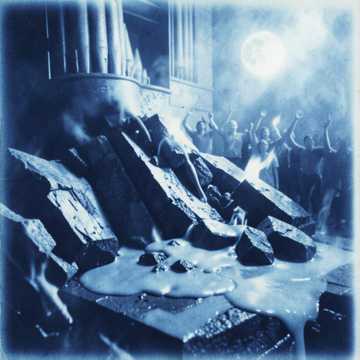
Reine du Vice
Reine du Vice met en scène une séductrice blasphématoire qui transforme une chapelle en piste de danse. Portée par des basses industrielles, des chœurs incantatoires et une énergie latino-française provocante, elle revendique le désir, le pouvoir et l’abandon dans une cérémonie nocturne explosive.
03:41
Invalid date
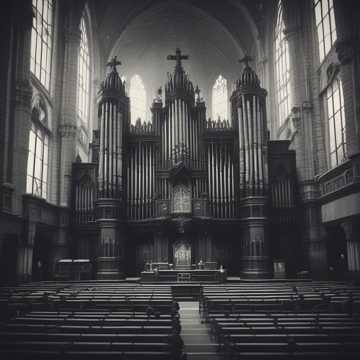
The Church Organ Hog Daddy Remix
A heavy metal track generated by Suno AI, blending distorted organ riffs with raw, chaotic energy. The song narrates the rise of 'Hog Daddy,' unleashing destruction in a sanctified setting, combining dark themes with intense thrashing beats.
03:23
2024-11-15
Distorted Organ: Definition, History, and Evolution of a Dark Experimental Sound
Distorted Organ refers to a musical style or sound design approach where the traditional organ timbre is heavily processed through distortion, saturation, overdrive, filtering, modulation, and electronic effects. The result is a powerful, often aggressive,Distorted Organ Content Guide atmospheric, or surreal organ sound that combines the harmonic richness of pipe organs or electric organs with the raw energy of distorted guitar tones and electronic sound design. The origins of Distorted Organ can be traced to the experimentation of 1960s and 1970s psychedelic rock, progressive rock, and avant-garde music, where musicians began pushing traditional keyboard instruments beyond their classical roles. Artists using Hammond organs, analog effects, and early studio processing techniques created heavier and more dramatic organ textures. In later decades, Distorted Organ became influential in genres such as industrial rock, doom metal, dark ambient, experimental electronic music, cinematic scoring, and video game soundtracks. Modern producers use digital plugins, amp simulations, granular processing, and modular synthesis to create increasingly complex Distorted Organ textures, making it a versatile sound element for both traditional music production and AI-generated music environments.
Distorted Organ Sub-tags and Classifications: Exploring Different Styles and SoundDistorted Organ Overview Variations
Heavy Distorted Organ
Heavy Distorted Organ emphasizes powerful overdrive, aggressive saturation, and thick low-frequency energy. It is commonly used in metal, hard rock, and intense cinematic compositions where the organ functions similarly to a rhythm guitar, creating a massive and dramatic wall of sound.
Psychedelic Distorted Organ
Psychedelic Distorted Organ focuses on swirling effects, tape saturation, tremolo, fuzz, and experimental modulation. Inspired by late 1960s psychedelic rock, this style creates dreamlike, hypnotic, and unpredictable textures that blend vintage keyboard tones with abstract sonic exploration.
Industrial Distorted Organ
Industrial Distorted Organ combines harsh distortion, metallic processing, mechanical rhythms, and dark atmospheres. It is frequently associated with industrial rock, dark electronic music, and dystopian soundtracks, providing a sense of tension, machinery, and dramatic intensity.
Cinematic Distorted Organ
Cinematic Distorted Organ is designed for film, television, and game scoring. It uses deep reverberation, layered harmonics, and dramatic processing to create suspenseful, gothic, horror-inspired, or epic emotional landscapes.
Ambient Distorted Organ
Ambient Distorted Organ focuses on slow-moving textures, long sustain, atmospheric effects, and subtle distortion. Rather than creating aggression, it creates immersive environments suitable for meditation, experimental music, and atmospheric background compositions.
Electronic Distorted Organ
Electronic Distorted Organ integrates synthesizers, digital effects, sidechain processing, and modern production techniques. This classification appears in electronic, IDM, synthwave, and AI-generated music, where organ tones are transformed into futuristic soundscapes.
Famous Artists and Classic Works Related to Distorted Organ Music
Jon Lord
As the keyboardist of Deep Purple, Jon Lord helped popularize the aggressive use of Hammond organ through heavy amplification and distortion. His performances demonstrated that organ could function as a powerful rock instrument rather than only a traditional keyboard sound.
Deep Purple - Highway Star
This classic rock track features Jon Lord's powerful Hammond organ performance, demonstrating how amplified organ distortion could compete with electric guitars. The aggressive keyboard tone helped establish the organ as a forceful instrument within hard rock.
Keith Emerson
Keith Emerson of Emerson, Lake & Palmer pushed organ experimentation through progressive rock. His use of Hammond organ effects, extreme amplification, and theatrical performances expanded the possibilities of distorted keyboard expression.
The Doors - Riders on the Storm
Ray Manzarek's atmospheric electric organ textures create a haunting environment that shows the emotional potential of processed organ sounds. The work combines subtle effects, spacious production, and psychedelic character.
Ray Manzarek
The Doors keyboardist Ray Manzarek contributed to the iconic psychedelic organ sound of the 1960s. His expressive electric organ playing influenced generations of musicians exploring darker and more atmospheric organ textures.
Emerson, Lake & Palmer - Tarkus
Tarkus showcases progressive rock experimentation with complex keyboard arrangements and dramatic organ tones. Its innovative approach demonstrates how distorted organ sounds can support large-scale compositions and theatrical musical storytelling.
Mike Oldfield
Mike Oldfield incorporated layered keyboard textures and processed organ sounds into progressive compositions, contributing to the development of atmospheric and experimental organ production.
John Carpenter - Halloween Theme
The Halloween soundtrack uses dark keyboard tones, repetitive patterns, and atmospheric processing to create suspense. Although primarily synthesizer-based, it represents the cinematic tradition closely connected with distorted organ aesthetics.
Trent Reznor
Through Nine Inch Nails, Trent Reznor incorporated distorted keyboard textures, industrial processing, and dark electronic production techniques that influenced modern approaches to aggressive organ-like sounds.
Nine Inch Nails - The Downward Spiral
This industrial landmark explores harsh electronic textures, distortion, and unconventional keyboard processing. Its production approach influenced modern creators using distorted organ sounds in darker electronic and experimental genres.
John Carpenter
Film composer John Carpenter used dark analog keyboards and processed organ-like tones in horror soundtracks, influencing cinematic uses of distorted organ atmospheres.
Distorted Organ Applications: Film, Games, Advertising, and Modern Music Production
Distorted Organ is widely used in horror films to create gothic tension, supernatural atmosphere, and psychological suspense. Deep distorted tones and long reverberation can instantly establish a dark and unsettling emotional environment.
Horror Movie Soundtracks
Game composers use Distorted Organ in fantasy, horror, action, and cyberpunk games to build immersive worlds. It can represent ancient temples, villain themes, boss battles, or futuristic environments.
Video Game Background Music
Brands use Distorted Organ sounds in dramatic advertisements to create memorable impact. The unique combination of familiarity and intensity helps products appear bold, mysterious, luxurious, or rebellious.
Advertising Music
Distorted Organ adds weight and character to rock and metal tracks by filling harmonic space between guitars, drums, and vocals. It creates vintage energy while adding a unique sonic identity.
Rock and Metal Production
Electronic producers use Distorted Organ as a source for sound manipulation, transforming traditional organ recordings into evolving textures through distortion, sampling, synthesis, and digital processing.
Experimental Electronic Music
Film trailers and cinematic compositions use Distorted Organ to generate epic, dark, and emotional moments. Its dramatic character makes it effective for building anticipation and powerful emotional impact.
Trailer and Cinematic Music
Distorted Organ is increasingly explored in AI music creation as a keyword for generating unique hybrid sounds. AI models can combine organ traditions with distortion effects, electronic production, and cinematic arrangements to produce innovative compositions.
AI-Generated Music