Free Dizi flute Music Generator Powered by AI
Turn text into high-quality Dizi flute music effortlessly – no login required!

music.toolTips

test
歌曲暂无歌词,以古筝、二胡、笛子、琵琶和 cinematic 弦乐交织出东方幻想画卷。旋律宁静而恢弘,充满古老文明的神秘、山河 храм宇的诗意,以及踏上传奇旅程的期待。
03:40
2 days ago

普通女孩
歌曲讲述一位普通女孩误入神秘中式灵异世界,在狐灵、鬼影、龙与纸月亮之间保持清醒与幽默。她不等待命运加冕,而是凭勇气、机智和自我认同,成为超自然世界中的主角。
03:07
Invalid date

heaven 2 face ii
A fallen disciple rejects orthodox morality and ascends through forbidden cultivation, leaving sects, memories, and false heavens behind. The song moves from grief and alienation toward quiet confidence, portraying freedom as an endless journey beyond every imposed definition of righteousness.
05:48
3 days ago
owe lindu - lucu
Lagu ini menggambarkan kerinduan romantis secara ringan dan kocak. Tokoh utama memuji pujaan hatinya, mengajaknya bertemu sambil bercanda tentang senyum dan nasi goreng, lalu melompat ke ajakan menikah. Nuansa musik rakyat Tionghoa kuno memperkuat suasana teatrikal, hangat, dan menghibur.
02:43
4 days ago

owe lindu - lucu
Lagu ini menggambarkan seorang pria yang tidak bisa tidur karena merindukan perempuan cantik. Dengan rayuan kocak, ajakan duduk bersama, janji nasi goreng, dan lamaran mendadak, suasananya terasa ringan, teatrikal, romantis, serta menghibur seperti cerita rakyat di tengah keramaian desa.
02:48
4 days ago

owe lindu - lucu
Lagu ini menggambarkan kerinduan romantis yang disampaikan secara jenaka dan teatrikal. Tokoh utama sulit tidur karena merindukan seseorang, lalu mengajaknya tersenyum, duduk bersama, menikmati nasi goreng, dan bahkan langsung menikah.
02:40
4 days ago

心安便是歸家路
歌曲以深秋山寺為背景,透過祈願木牌與隨風銅鈴,描寫人在迷惘中尋回內心安定,最終帶著祝福與篤定走向遠方。
03:18
5 days ago

Bamboo Mist Path
A spacious Chinese ambient folk instrumental that pairs breathy dizi flute with delicate pipa figures and slow, unhurried pacing. Bare passages open into longer flute phrases, then settle into warm strings and soft ambient echoes, evoking a quiet walk through mist and bamboo.
03:58
14 days ago

Vibing through my night
A euphoric night-drive anthem blending aggressive trap rap, festival EDM, and Eastern instrumentation. Its powerful bass, chant-driven hooks, and cinematic builds celebrate friendship, freedom, resilience, and living fully in the moment until sunrise.
03:38
24 days ago

Na You Be My Melody
A romantic Afrobeats declaration of lasting love, blending Nigerian Pidgin warmth with elegant dizi flute melodies. The singer celebrates a partner as his melody, comfort, fantasy, and chosen companion through every season.
03:42
29 days ago

山河在手
歌曲以男女双声部描绘乱世中的守望与并肩前行,从青瓦春雨、故乡孤舟写至战火长夜,融合传统中国旋律与赛博朋克电子重击,最终升华为守护家园、唤醒山河的英雄誓言。
03:43
29 days ago

Japanese Menuju Ujung Angkasa
銀河の彼方へ旅立つ主人公が、孤独や暗闇を越え、自らの夢と未来を信じて進む物語。繊細な宇宙的旋律から壮大な高音のサビへ展開し、希望と決意を鮮烈に描きます。
04:10
2026-10-18

Japanese sampai malam tiba
夕暮れの街で愛する人を想い続け、夜が来ても夜明けを迎えても消えない愛を歌う、切なく壮大な日本語のアニメバラード。高音の力強いボーカルと幻想的なオーケストレーションが、希望と別れの余韻を深めます。
03:34
2026-10-18

Korean air mata pengkhianatan
믿었던 연인의 배신으로 산산이 부서진 화자가 사랑의 흔적과 깊은 그리움 속에서 고통스러워하다 결국 이별을 받아들이는 이야기다. 잔잔한 피아노에서 시작해 폭발적인 후렴과 극적인 브리지로 감정을 고조시키며, 배신의 상처와 놓아주는 결심을 담아낸다.
04:33
2026-10-17

Japanese menembus batas
傷つくことを恐れていた主人公が、胸の奥の消えない炎を信じ、見えない壁と運命を越えて未来へ進む決意を歌う。静かな痛みから爆発的な解放へ向かう、希望と再生の物語。
03:58
2026-10-16

Japanese Maafkan kesalahanku
愛する人を傷つけた女性が、過去の過ちを悔やみ、心から許しを求める物語。静かなピアノと切ない歌声から始まり、壮大なオーケストラと高音の絶唱へ昇華し、再び愛を取り戻したいという希望を描く。
04:10
2026-10-16

Jade Stream Circle
作品以70 BPM的舒缓节奏展开,笛子围绕中心音轻柔回旋,古筝随后铺陈水波般的空间感,二胡增添温润情绪。清澈、稳定而循环流动的编曲,营造宁静、通透且向上的禅境。
03:13
2026-09-28

Jade River Lilt
作品以70 BPM的舒缓速度展开,笛子率先奏出清新优雅的旋律,古筝与二胡随后温柔交融。无鼓无低音的留白营造出晶莹、宁静而喜悦的水墨禅境,并适合无缝循环播放。
00:55
2026-09-28

Bamboo Mist Path
A graceful Zen instrumental that evokes a mist-covered bamboo trail. Airy dizi, shimmering guzheng, and warm erhu unfold slowly within a spacious acoustic mix, creating a peaceful atmosphere suited to meditation, tea ceremonies, nature films, and seamless ambient listening.
02:00
2026-09-28

Jade River Loop
作品以70 BPM的悠缓节奏展开,笛子先奏下行流水句,古筝与二胡随后轻柔加入,营造清雅、温暖而澄明的禅意空间,并以自然循环的结尾回到开端。
02:58
2026-09-28
Dizi Flute: TheDizi Flute Content JSON Sound, History, and Character of the Chinese Bamboo Flute
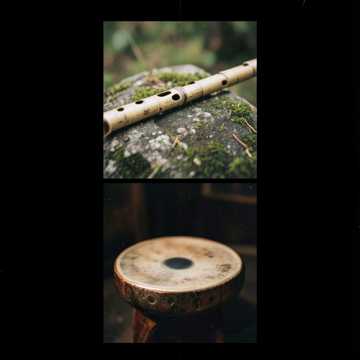
Dizi Flute refers to music centered on the dizi, a traditional Chinese transverse bamboo flute known for its bright, expressive tone and distinctive buzzing resonance. Unlike many other flutes, the dizi usually includes an additional membrane hole called the mokong, which is covered with a thin membrane known as dimo. When the instrument is played, this membrane vibrates sympathetically and gives Dizi Flute music its characteristic crisp, penetrating, and slightly reedy timbre. Bamboo transverse flutes have a very long history in China, while instruments recognizable as predecessors or relatives of the modern dizi developed across different historical periods and regional traditions. Over time, the dizi became important in Chinese folk ensembles, regional opera accompaniment, ceremonial music, narrative traditions, and eventually the modern concert repertoire. During the twentieth century, professional performers and composers expanded Dizi Flute technique through sophisticated tonguing, rapid fingering, circular breathing, ornamentation, harmonics, and extended-range approaches. Today, Dizi Flute can be heard in traditional Chinese music, contemporary compositionsDizi Flute Content Writing, orchestral arrangements, film scores, television dramas, video games, meditation music, world fusion, and electronic productions.
Dizi Flute Sub-Tags and Musical Classifications
Bangdi
Bangdi is a major Dizi Flute classification associated historically with northern Chinese musical and operatic traditions, particularly bangzi opera accompaniment. It is generally smaller and higher-pitched than the qudi, producing a brilliant, energetic, and penetrating sound. Bangdi performances frequently emphasize agile articulation, rapid melodic passages, lively ornamentation, repeated notes, and dramatic contrasts. This Dizi Flute style works especially well for festive scenes, folk dances, energetic traditional music, and cinematic sequences requiring a distinctly Chinese sound with strong rhythmic momentum.
Qudi
Qudi is a larger, lower-register type of dizi traditionally associated with southern Chinese traditions, including Kunqu opera and Jiangnan musical culture. Its tone is comparatively mellow, rounded, lyrical, and graceful. Qudi Dizi Flute performances often feature flowing melodies, subtle ornamentation, controlled breath expression, and elegant phrasing rather than the brilliant attack commonly associated with bangdi. The style is particularly suitable for landscapes, reflective scenes, historical dramas, romantic passages, and serene traditional Chinese instrumental music.
Traditional Folk Dizi Flute
Traditional Folk Dizi Flute draws on regional Chinese melodies, folk songs, dances, celebrations, and local performance practices. The music may feature ornamental bends, trills, grace notes, rhythmic tonguing, and imitation of sounds from nature or everyday rural life. Because folk traditions vary greatly across China, this classification encompasses both energetic northern styles and softer southern approaches.
Chinese Opera Dizi Flute
Chinese Opera Dizi Flute focuses on the instrument's long-standing role in theatrical accompaniment. Depending on the regional opera tradition, the dizi may reinforce vocal melodies, introduce characters, create transitions, intensify dramatic gestures, or establish geographical and cultural atmosphere. Its ability to shift quickly between delicate lyricism and piercing projection makes the Dizi Flute especially effective in theatrical settings.
Solo Concert Dizi Flute
Solo Concert Dizi Flute represents the development of the instrument as a virtuosic concert voice. This repertoire highlights advanced techniques such as rapid tonguing, flutter tonguing, breath accents, glissando-like effects, harmonics, complex ornamentation, and extended melodic runs. Concert works often combine folk-derived themes with carefully structured compositional development, allowing performers to demonstrate both technical brilliance and expressive control.
Cinematic Dizi Flute
Cinematic Dizi Flute combines the traditional bamboo flute with orchestral strings, percussion, atmospheric pads, piano, guzheng, erhu, or modern sound design. The recognizable dizi timbre can immediately evoke historical China, martial-arts imagery, mountains, rivers, ancient kingdoms, or spiritual landscapes. Modern composers often use spacious reverb and restrained melodic lines to transform the instrument into an atmospheric cinematic voice.
Meditative Dizi Flute
Meditative Dizi Flute emphasizes slow tempos, spacious phrasing, sustained tones, gentle ornamentation, and natural ambience. It is frequently combined with flowing water, wind, birds, bells, guqin, guzheng, or ambient drones. The airy bamboo tone makes this classification suitable for relaxation, meditation, yoga, sleep-oriented soundscapes, and contemplative visual content.
Dizi Flute Fusion
Dizi Flute Fusion integrates the instrument with jazz, electronic music, rock, pop, ambient, hip-hop, or other world-music traditions. Producers may contrast the organic bamboo timbre with synthesizers, electronic drums, electric guitars, or cinematic bass. This approach preserves recognizable elements of Dizi Flute performance while creating a contemporary cross-cultural sound.
Famous Dizi Flute Artists and Classic Works
Feng Zicun
Feng Zicun was an influential twentieth-century dizi performer strongly associated with northern Chinese flute traditions. His interpretations helped bring regional folk-based Dizi Flute repertoire onto the professional concert stage. He became particularly associated with works such as 'Xi Xiang Feng' (Joyous Meeting), demonstrating lively articulation, ornamentation, and the brilliant character of northern dizi performance.
Xi Xiang Feng (Joyous Meeting)
Xi Xiang Feng is a well-known work associated with Feng Zicun and the northern Dizi Flute tradition. The composition is celebrated for its festive personality, rhythmic vitality, bright tone, and virtuosic ornamentation. Rapid articulation and animated melodic gestures communicate the excitement suggested by the title. The piece became an important example of transforming folk-derived musical material into a compelling solo dizi concert work.
Liu Guanle
Liu Guanle was another important figure in the development of modern Chinese dizi performance. Closely associated with northern styles, he contributed to the concert repertoire through pieces characterized by vivid imagery, technical agility, and folk-inspired melodic language. His work helped demonstrate how the Dizi Flute could function as a sophisticated solo concert instrument.
Mu Di (The Cowherd's Flute)
Mu Di is a famous Dizi Flute composition associated with Liu Sen. The piece uses expressive melodic writing and instrumental effects to evoke pastoral imagery and the sound world of a countryside shepherd. Its contrast between lyrical passages and animated flute gestures demonstrates the dizi's ability to suggest landscape, movement, emotion, and sounds from nature within a single instrumental narrative.
Lu Chunling
Lu Chunling became one of the most celebrated representatives of southern Chinese Dizi Flute playing. His performances are noted for elegant phrasing, refined ornamentation, and a lyrical tone associated with Jiangnan musical aesthetics. His influence helped establish the expressive potential of the qudi and shaped generations of professional dizi performers.
Gu Su Xing (Journey to Suzhou)
Gu Su Xing, composed by Jiang Xianwei, is one of the best-known pieces in the modern Dizi Flute repertoire. Inspired by Suzhou and the cultural atmosphere of the Jiangnan region, it features elegant melodies, graceful ornamentation, and lyrical phrasing. The work effectively combines regional musical characteristics with concert-style development, creating an evocative portrait of southern Chinese scenery and cultural refinement.
Zhao Songting
Zhao Songting was a major performer, educator, composer, and innovator associated with the development of modern dizi technique and pedagogy. He explored the instrument's acoustic possibilities and helped systematize aspects of professional performance. His work contributed significantly to expanding the technical and expressive vocabulary available to later generations of Dizi Flute musicians.
Yang Bian Cui Ma Yun Liang Mang
Often translated as 'Urging the Horses to Transport Grain,' this energetic Dizi Flute work by Wei Xianzhong uses rapid articulation, rhythmic repetition, and vivid instrumental gestures to suggest horses moving quickly and the excitement of transportation activity. It showcases the dizi's exceptional capacity for musical storytelling, rhythmic imitation, and virtuosic display.
Yu Xunfa
Yu Xunfa was a prominent modern Chinese flute virtuoso known for expressive musicianship and technical experimentation. He was also closely associated with the development and popularization of the koudi, a very small Chinese bamboo flute. His artistry demonstrated how traditional Chinese wind instruments could be expanded through contemporary performance ideas while retaining their distinctive cultural identity.
He Ping Ge (Doves of Peace)
Associated with Liu Guanle, this Dizi Flute work illustrates how the instrument can combine descriptive imagery with sophisticated performance technique. Bird-like gestures and flowing melodic ideas contribute to its programmatic character. The piece belongs to a broader twentieth-century movement in which dizi performers developed concert works capable of communicating vivid scenes and narratives without vocals.
Dizi Flute Music Application Scenarios
Dizi Flute is highly effective in historical dramas, wuxia stories, fantasy films, documentaries, and productions depicting Chinese landscapes or cultural settings. A lyrical solo dizi can accompany emotional reflection or expansive scenery, while rapid bangdi passages can support action, celebration, travel, and martial-arts sequences.
Movie and Television Soundtracks
Game composers can use Dizi Flute for ancient Chinese cities, mountain temples, bamboo forests, martial-arts battles, exploration areas, fantasy kingdoms, and character themes. Combining dizi with guzheng, erhu, percussion, strings, and atmospheric sound design can produce immersive environments ranging from peaceful villages to epic fantasy adventures.
Video Game Background Music
Dizi Flute can give advertising music an organic, elegant, and culturally recognizable Chinese instrumental identity. It can support campaigns involving tourism, cultural products, traditional festivals, tea, nature, craftsmanship, hospitality, and heritage-inspired brands. Contemporary arrangements can combine short dizi motifs with modern beats for a more youthful commercial sound.
Advertising and Brand Music
Slow Dizi Flute melodies work naturally in meditation, mindfulness, spa, yoga, breathing, and relaxation tracks. Gentle bamboo-flute phrases combined with environmental ambience and sparse accompaniment can create spacious soundscapes without requiring dense musical arrangements.
Meditation and Wellness Music
Dizi Flute music can accompany museum exhibitions, documentaries, cultural presentations, educational videos, heritage programs, and introductions to traditional Chinese instruments. Because the instrument has both historical significance and a recognizable timbre, it provides an effective musical entry point for explaining Chinese instrumental culture.
Chinese Cultural and Educational Content
Energetic Dizi Flute music is well suited to Lunar New Year celebrations, folk-dance performances, cultural festivals, theatrical productions, and community events. Bright bangdi tones can reinforce festive energy, while larger dizi instruments can provide lyrical contrast in slower sections.
Traditional Festivals and Stage Performances
The organic bamboo timbre of the Dizi Flute pairs effectively with visual imagery of mountains, rivers, forests, gardens, historic towns, and rural landscapes. Long melodic phrases can reinforce panoramic cinematography, while subtle ornamentation adds movement without overwhelming narration or environmental sound.
Nature and Travel Videos
Modern producers can sample or record Dizi Flute and combine it with electronic percussion, ambient textures, synthesizers, cinematic bass, or global instruments. Its distinctive membrane-driven resonance allows the dizi to remain recognizable even in dense contemporary arrangements, making it useful for world fusion, chillout, experimental electronic, and cinematic hybrid music.
Electronic and World Music Production
Dizi Flute has strong potential in wuxia-inspired animation, martial-arts videos, fantasy trailers, audiobooks, podcasts, and online storytelling. Breathier phrases can create mystery and solitude, while fast ornamented passages can emphasize agility, combat, pursuit, or heroic movement.
Fantasy and Martial-Arts Content
Dizi Flute can function beyond explicitly traditional settings. Producers can place sparse flute melodies over drones, piano, strings, field recordings, or minimalist electronic textures. This approach highlights the expressive breath, buzzing dimo resonance, and flexible phrasing of the instrument while creating modern atmospheric music.
Ambient and Contemporary Instrumental Music