Free Elegiac Music Generator Powered by AI
Turn text into high-quality Elegiac music effortlessly – no login required!

music.toolTips
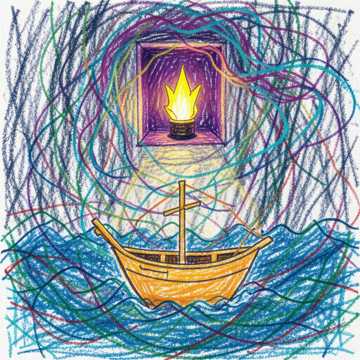
To Helen
A gothic meditation on Helen as an ideal of beauty and spiritual refuge. Classical imagery of ships, Greece, Rome, and sacred light mingles with rain, loss, and remembered laughter, turning devotion into a haunted voyage home.
04:58
9 days ago
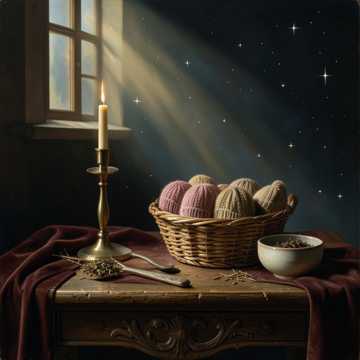
Under the Starry Sky
A family remembers a devoted mother who died too soon. Through quiet verses and a gently swelling chorus, the song honors her wisdom, kindness, and nurturing spirit, showing how her love continues through shared traditions, family bonds, spoken memories, and the light she left behind.
03:42
11 days ago

آقاجون
آقاجون مرثیهای خانوادگی برای عزیزی از دسترفته است. راوی در سکوت خانه، عطر دستها، خندهها و دعای خیر او را به یاد میآورد و با تکرار صمیمانه آقاجون، دشواری ادامه زندگی بدون حضورش را بیان میکند.
03:17
23 days ago
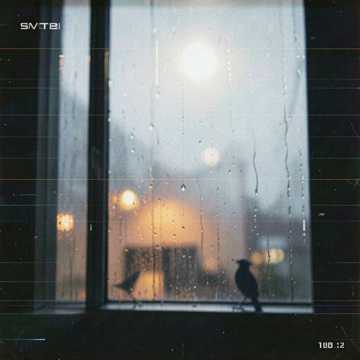
Танго.
'Танго' — это глубокая элегическая композиция о бессонной дождливой ночи, побуждающей к воспоминаниям об ушедшей молодости и сожалениям о сказанных словах. Медленный ритм танго, струнный аккомпанемент и бандонеон создают кинематографичную атмосферу светлой грусти и ностальгии.
04:00
2026-09-18
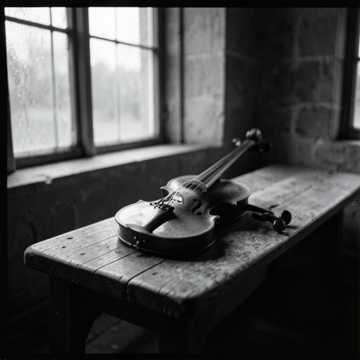
Moonlit Conservatory
A slow, rubato chamber piece that unfolds like moonlight across an empty conservatory. Felted piano introduces a fragile memory, violin carries its grief, and woodwinds deepen the atmosphere before a sparse oboe and cello passage leads to a warm, cinematic final return.
02:50
2026-08-31

Märk hur vår skugga...
En gravsång om dödensoundviklighet och den förlorade vännen. Genom kyrkklockor, begravningsfölje och minnen av krogens glädje växer en mörk men varm uppmaning fram: sjung, drick och håll samman medan livet ännu pågår.
04:44
2026-08-28
Requiem
An instrumental Baroque lament shaped by a slow3/4 pulse, plaintive oboe, expressive violins, muted strings, and harpsichord continuo. Its graceful counterpoint and warm reverb create a tender atmosphere of mourning, deepening remembrance, and quiet emotional release.
02:08
2026-08-20

Requiem
A solemn instrumental requiem inspired by Albinoni, unfolding through gentle orchestral textures, slow adagio pacing, and restrained melancholy. Its elegiac atmosphere suits remembrance, contemplation, sacred settings, cinematic scenes, and quiet moments of emotional release.
02:23
2026-08-20
Requiem
A slow, mournful instrumental requiem led by descending solo cello scales. A restrained violin counterpoint adds fragile tension, while the spacious hall creates a ceremonial atmosphere of grief, reflection, farewell, and quiet transcendence.
02:50
2026-08-20
Honor
Honor is a slow, cinematic memorial composition shaped by hesitant strings, a reflective oboe melody, low cellos, French horns, and spacious reverb. Its fragile opening gradually finds a steady pulse, evoking remembrance, dignity, grief, and enduring respect.
02:50
2026-08-17
Honor
Honor is a very slow memorial composition shaped by hesitant strings that gradually find a steady pulse. A solo oboe carries the remembrance theme above low cellos, horns, contrabass, soft piano, and airy reverb, creating a dignified soundscape for mourning, reflection, and ceremonial remembrance.
02:34
2026-08-17
Glass Heart Error
A cinematic glitchcore lament about discovering an ex has moved on. Fragile verses, rising strings, fractured electronics, and soaring male vocals transform jealousy, abandonment, and digital isolation into a rain-soaked portrait of emotional collapse.
03:35
2026-08-15
Elegiac: Definition and History
Elegiac music is a genre characterized by its mournful and reflective nature, often invoking a sense of melancholy, loss, or longing. The term 'elegiac' originates from the word 'elegy,' which historically refers to a poetic form used to express sorrow for the dead. In music, the elegiac style has been present for centuries, with roots tracing back to ancient Greek laments and continuing through the Renaissance and Baroque periods. Over time, it evolved into a distinct genre that encompasses a variety of forms, including orchestral compositions, piano pieces, and even modern electronic music. The essence of elegiac music lies in its ability to convey deep emotional resonance, often through minor keys, slow tempos, and rich, textured harmonies.
Sub-tags and Classifications of Elegiac Music
Classical Elegiac
Classical Elegiac music refers to compositions from the Baroque, Classical, and Romantic periods that embody the characteristics of the elegiac style. These works often feature orchestral arrangements, emphasizing strings and woodwinds to create a somber, reflective mood. Composers like Johann Sebastian Bach and Frédéric Chopin are known for their contributions to this sub-genre, with pieces like 'Adagio for Strings' and 'Nocturnes' epitomizing the classical elegiac sound.
Modern Elegiac
Modern Elegiac music expands on traditional forms by incorporating contemporary elements such as electronic instrumentation and experimental soundscapes. This sub-tag includes works from the 20th and 21st centuries, where composers and artists blend classical influences with modern techniques to evoke a sense of melancholy and introspection. Notable examples include compositions by Arvo Pärt and Max Richter, who have redefined the elegiac genre for modern audiences.
Film Score Elegiac
Film Score Elegiac music is specifically composed for movies and television shows, designed to underscore scenes of loss, reflection, or emotional depth. This sub-tag highlights the importance of music in enhancing the narrative impact of visual media. Composers like Hans Zimmer and Ennio Morricone have mastered the art of creating elegiac soundtracks that resonate with audiences, contributing to the emotional weight of key cinematic moments.
Famous Artists and Works in Elegiac Music
Frédéric Chopin
Chopin's 'Nocturnes' and 'Piano Sonata No. 2' are quintessential examples of elegiac music in the classical tradition. His ability to convey deep emotion through intricate piano compositions has made him a central figure in the elegiac genre.
Adagio for Strings by Samuel Barber
One of the most iconic pieces of elegiac music, 'Adagio for Strings' by Samuel Barber is renowned for its hauntingly beautiful melody and emotional depth. The piece is often used in memorials and has become synonymous with collective mourning and reflection.
Arvo Pärt
Arvo Pärt's minimalist style, particularly in works like 'Spiegel im Spiegel' and 'Cantus in Memoriam Benjamin Britten,' has earned him acclaim as a modern master of elegiac music. His compositions often evoke a sense of spiritual reflection and quiet sorrow.
Nocturnes by Frédéric Chopin
Chopin's 'Nocturnes' are a collection of piano pieces that epitomize the elegiac style. These works are characterized by their lyrical melodies and emotional nuance, capturing a sense of melancholy and introspection that is central to the elegiac genre.
Max Richter
Max Richter's 'The Blue Notebooks' and 'Sleep' are seminal works in the modern elegiac genre, blending classical and electronic elements to create deeply introspective soundscapes. His work has been influential in bringing elegiac music to contemporary audiences.
Spiegel im Spiegel by Arvo Pärt
'Spiegel im Spiegel' is a minimalist composition by Arvo Pärt that exemplifies his 'tintinnabuli' style. The piece, consisting of simple, repeated motifs, creates a serene and contemplative atmosphere, making it a modern classic in the elegiac repertoire.
Application Scenarios for Elegiac Music
Elegiac music is often used in film soundtracks to underscore scenes of loss, introspection, or emotional climax. Composers like Hans Zimmer and Ennio Morricone have utilized the elegiac style to enhance the narrative impact of films, creating memorable and emotionally resonant moments.
Film Soundtracks
Elegiac music is a staple in memorial services, where its mournful tones help create an atmosphere of reflection and remembrance. Pieces like 'Adagio for Strings' and 'Spiegel im Spiegel' are commonly performed at such events to honor the memory of the deceased.
Memorial Services
In video games, elegiac music is used to heighten the emotional stakes of pivotal moments, often during scenes of character loss or narrative resolution. Composers have adapted the elegiac style to fit interactive media, making it a powerful tool in storytelling.
Video Game Scores